
Last updated November 23, 2026
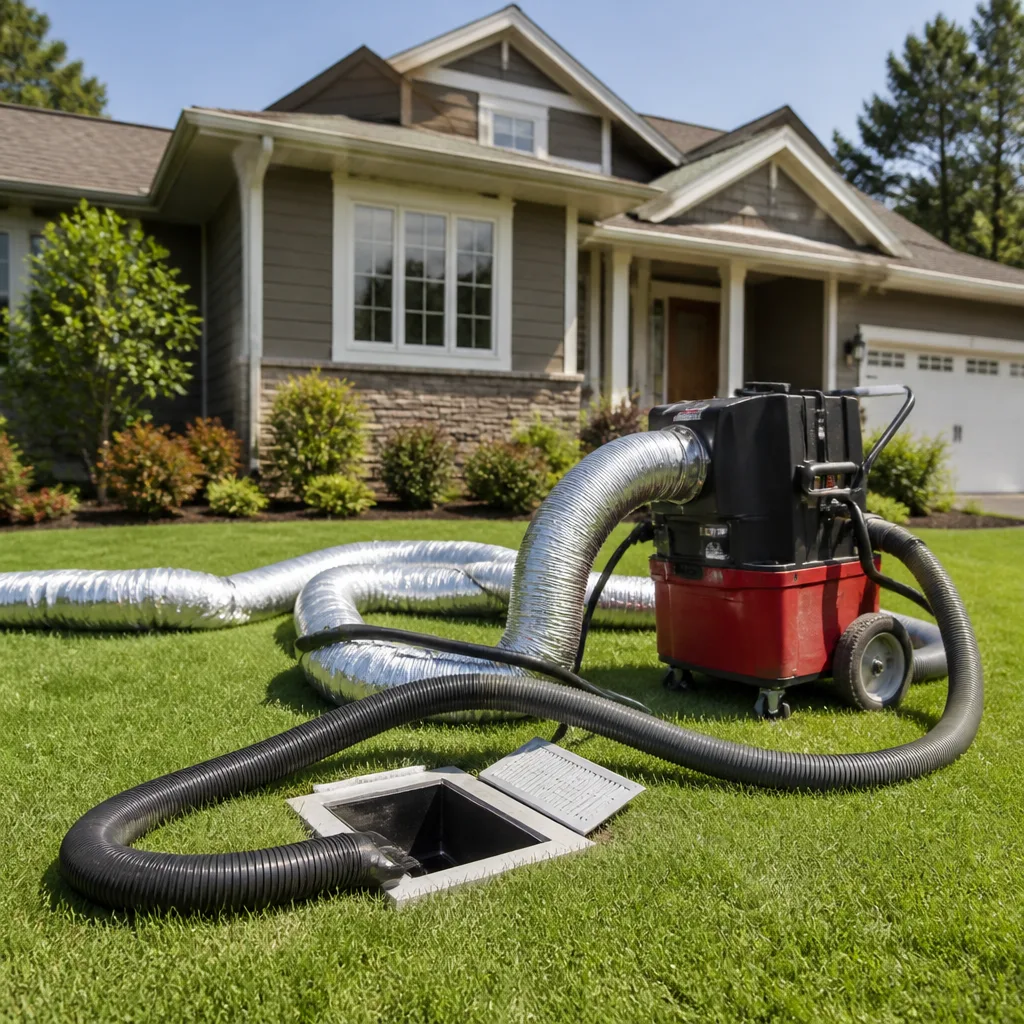 Whole-home duct cleaning
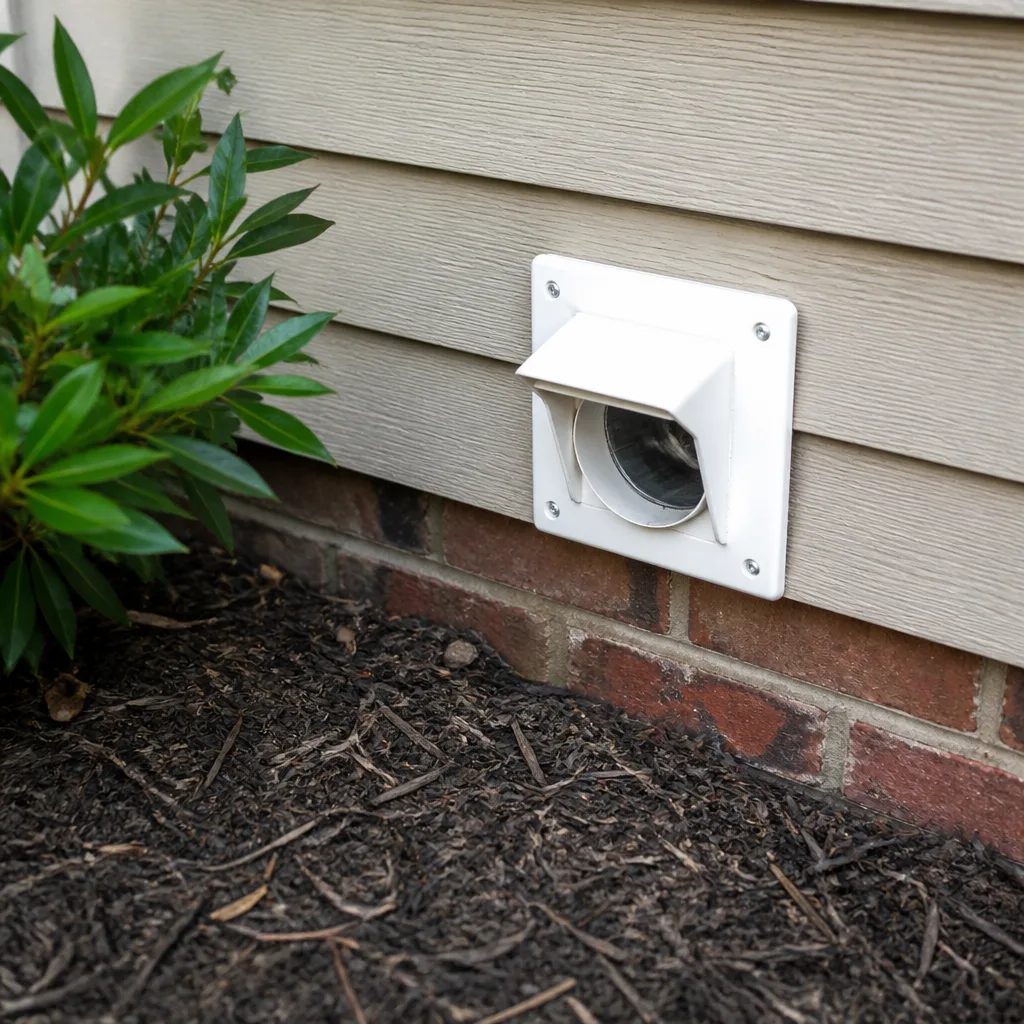 Dryer vent cleaning
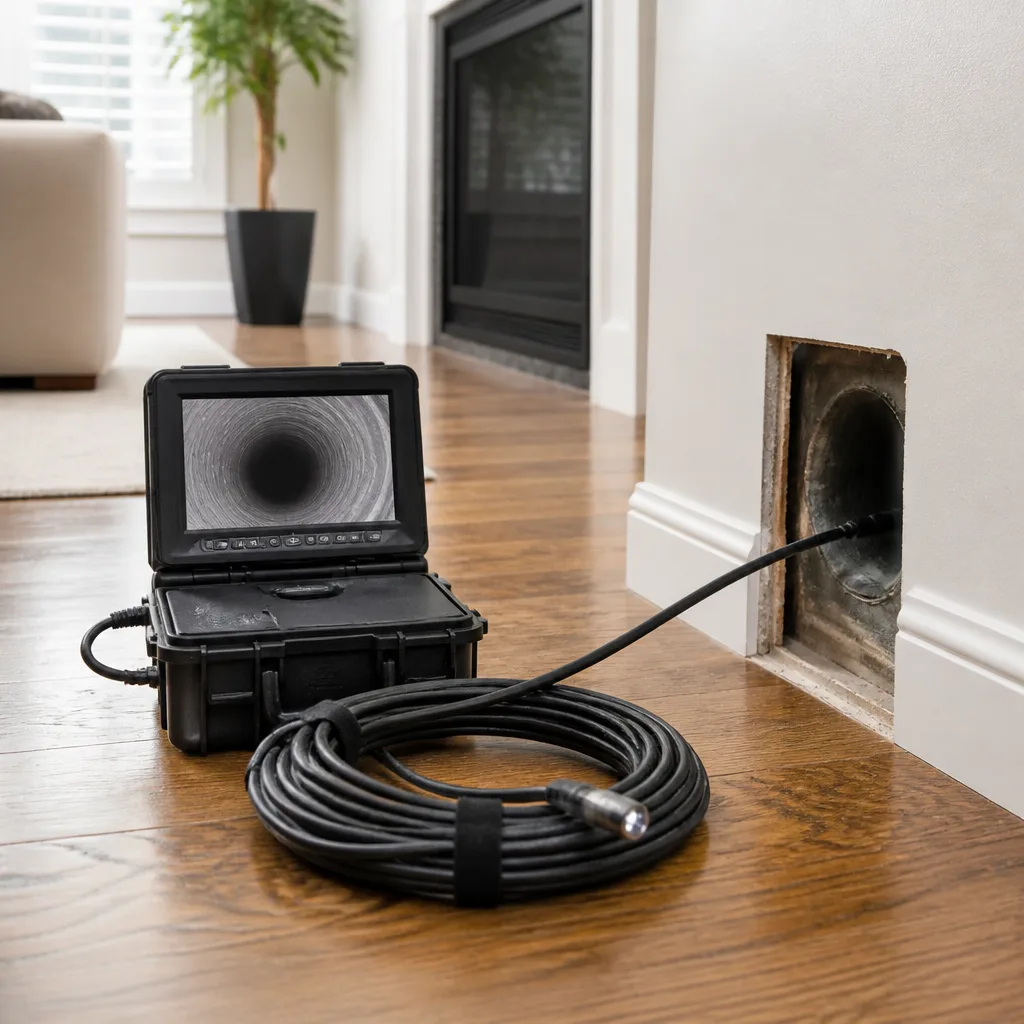 Camera inspection
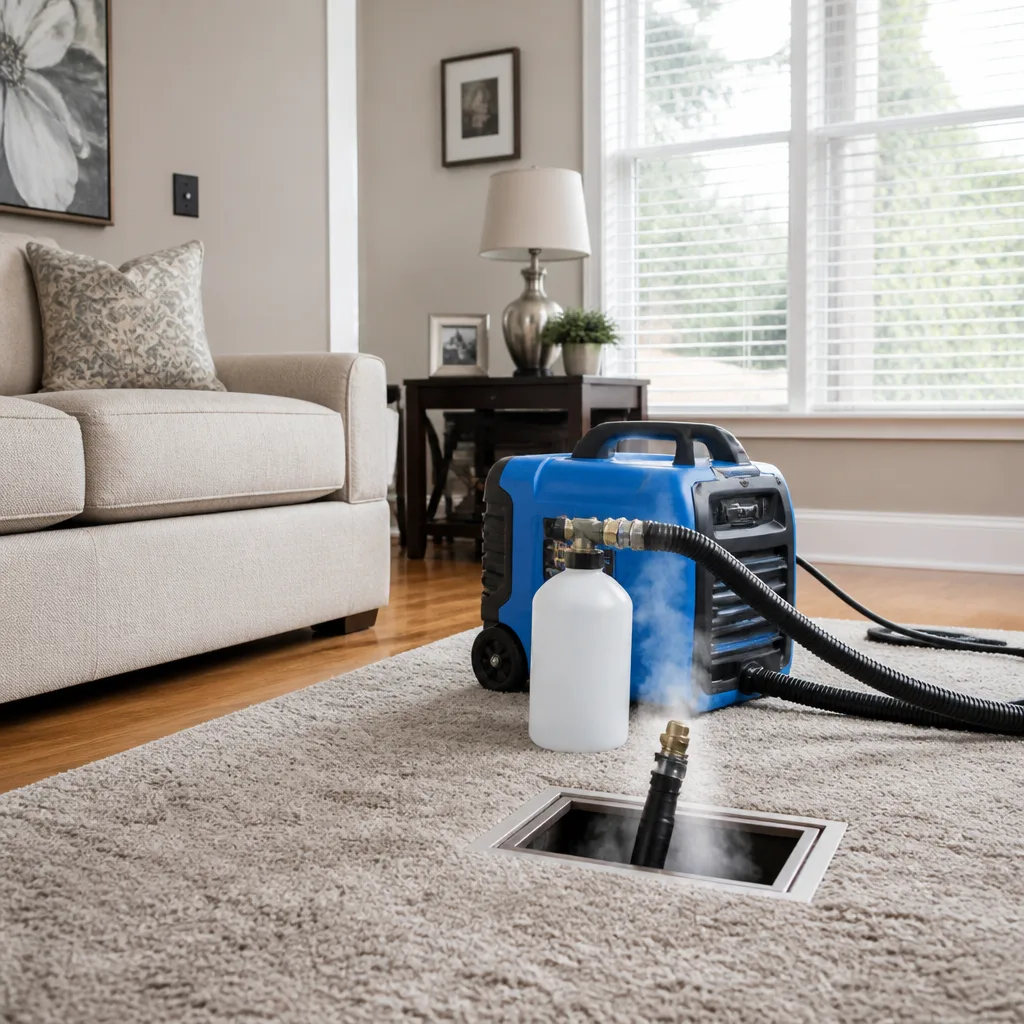 Sanitizing & deodorizing
Whole-system duct and dryer vent check with before-and-after photos - you see exactly what came out of your vents
That "$99 whole-house special" is a bait ad - the real number appears once they are in your hallway, or the "clean" is a shop-vac at the register. We photograph the inside of your ducts before and after instead.
Air Duct Cleaning Emergency Preparedness Guide for Cherry Creek Homes
Most emergency preparedness advice for Colorado homes stops at the front door. Go-bags, water storage, a spare charger. What it leaves out is the system running quietly through every wall in your house. During the 2020 wildfire season, Denver metro air quality hit hazardous AQI levels for multiple consecutive days, and homes with leaky return ducts and loaded filters were pulling that smoke indoors and redistributing it room to room on the HVAC circuit. A compromised duct system doesn’t just fail to help during a hazardous air event or a flood. It actively works against you. This guide covers both scenarios as they play out in Cherry Creek homes, from pre-season prep to the hours right after a smoke plume or a burst pipe, with the specific steps that make a real difference.
Quick Answer
Emergency duct preparedness for a Cherry Creek home means two things: sealing and upgrading your return-side filtration before a wildfire smoke event so the HVAC system can’t pull particulate indoors, and never running the HVAC system after a flood until the ductwork is inspected and dried, because the 48 to 72 hour window after water exposure is when biological growth establishes in damp ducts. Emergency duct cleaning differs from routine cleaning in scope and urgency, and it’s worth understanding both before you need either.
Styles & brands we work with
- Whole-home duct cleaning
- Dryer vent cleaning
- Camera inspection
- Sanitizing & deodorizing
Table of Contents
- Why ductwork is the weak point in most emergency plans
- Wildfire smoke protocol for Cherry Creek homes
- The 24 hours after a heavy smoke event
- Post-flood duct response: the 48 to 72 hour window
- How to isolate the HVAC system during a hazardous air event
- Documentation for insurance after a smoke or flood event
- What emergency duct cleaning involves versus routine cleaning
- Seasonal readiness checklist for Cherry Creek
Why Ductwork Is the Weak Point in Most Emergency Plans
A house is not a sealed box. It breathes through gaps, and the HVAC system is the biggest straw in the wall. When a furnace or air handler runs, return ducts pull air from living spaces and supply ducts push it back out, which means any opening in that network can quietly pull outdoor air in. In an older Cherry Creek bungalow or a mid-century ranch, return-side leaks at joints, at the plenum connection, and at poorly sealed filter slots are common. Those same leaks move smoke indoors during a wildfire event and move humid air indoors during a storm.
Flooding adds a different problem. Ductwork that takes on water, whether directly or from a humid crawlspace pushing moisture into the system, becomes a dark, warm, damp cavity. That is the exact environment where microbial growth establishes. The ducts don’t just smell. They distribute spores through every supply register in the house the moment the system comes back on.
This is the blind spot in standard preparedness. People think about water and food and evacuation routes. What they don’t think about is the system connecting every room. In our experience, the homes that come through a smoke or water event in the best shape are the ones where someone spent an hour on duct readiness beforehand. If you’ve never had your system assessed, a routine air duct cleaning visit is the right time to ask about return-side sealing and filter fit.
What Actually Gets Compromised
- Return duct joints. The negative-pressure side is where unfiltered air gets pulled in from attics, crawlspaces, and outside walls.
- Filter slots and frames. A filter that doesn’t seat flush is a gap, and smoke finds gaps before it finds filters.
- Plenum connections. The transition between the air handler and the ductwork flexes over time and opens at the seams.
- Supply boots at the register. Often loose after a renovation, and a common source of both dust and outdoor air intrusion.
- Any ductwork that takes on water. Once wet, the interior surface becomes a growth substrate.
Wildfire Smoke Protocol for Cherry Creek Homes
Wildfire smoke preparedness is a filter-and-seal job done before the smoke arrives. Cherry Creek sits within the Denver metro plume path on a west or northwest wind, and the wildfire season in recent years has delivered repeated multi-day hazardous air quality events. What matters is reducing what your HVAC system pulls in and improving what it can filter if it does run.
Pre-Season Steps
- Upgrade your filter, but match the system. A higher MERV rating means denser filtration and more static pressure on the blower. Check your air handler’s filter slot size and what the manufacturer allows before going up a step. A filter too restrictive for your blower can drop airflow and hurt system performance. If you don’t know the ceiling for your system, ask.
- Seal the return side first. This is the highest-value step and the one most people skip. A sealed return means the system pulls air only through the filter, not from the attic or the wall cavity. Duct repair and sealing around return joints, the plenum, and the filter frame is what actually turns the filter into the only intake.
- Get the ducts themselves clean. A duct system already loaded with dust and debris has no reserve capacity. When smoke particulate starts depositing, dirty ductwork clogs faster and redistributes more. A clean baseline matters more going into fire season than at any other time of year.
- Know your system’s controls. Whether you can run the fan continuously without heating or cooling, where your outdoor air damper sits, and how your thermostat handles fan mode. These are the tools you’ll use to isolate the system during a smoke event.
If your home already has visible dust buildup at the registers, that’s a signal the ducts have lost ground. Air Duct Cleaning Cherry Creek works with the filtration side too, including systems built around Honeywell and Aprilaire controls and filters, so the conversation isn’t just about vacuuming ducts. Familiarity with those systems matters because a sealing or filter upgrade has to work with what’s installed, not against it.
The 24 Hours After a Heavy Smoke Event
The first 24 hours after a heavy smoke event are when you assess how much the duct network let through. Don’t judge by the sky. Judge by the house.
- Photograph the registers. Take clear photos of supply and return registers, the filter, and the area around the air handler. This takes two minutes and becomes your baseline for either a cleaning decision or an insurance claim.
- Pull the filter and look. A filter that has gone dark brown after a multi-day smoke event is telling you what it caught. If your filter was due for replacement, mark the date on the frame with a marker so you know exactly when it was changed relative to the event.
- Look for visible soot deposits at registers. Fine grey or brown deposits on the register vanes, in the rim of the filter slot, or on the air handler throat indicate that particulate got past where it should have.
- Smell for smoke indoors when the fan runs. If the house smells like the outdoors specifically when the system runs, particulate is in the ductwork. There is no filter fix for that. It has to be removed.
- Assess the attic and crawlspace. Standing outdoor air during a smoke event deposits on any exposed surface. If your return ductwork runs through a vented attic, that attic insulation and duct exterior take the hit even when the interior stays clean.
- Decide: clean or hold. Heavy visible deposits or a smoky smell when running the system means cleaning. A clean filter and clear registers after a moderate event usually means you can hold and monitor.
What we do for smoke-affected homes is different from routine cleaning. Mechanical agitation with a Rotobrush system breaks soot and particulate off the duct walls before extraction, and an Abatement Technologies air scrubber runs on-site to capture what gets dislodged during the process so it doesn’t redistribute inside the house. That containment layer is the difference between a smoke remediation that works and one that just stirs the problem into the air.
Post-Flood Duct Response: The 48 to 72 Hour Window
After any water intrusion event in a Cherry Creek home, the ductwork has a 48 to 72 hour clock before biological growth establishes. That timing is the single most important fact in this guide. Damp ductwork is warm, dark, and stagnant. The first thing to do is not run the HVAC system to “dry it out.” That distributes moisture and, if growth has begun, spores through the entire house.
Immediate Steps
- Shut the HVAC system down. Turn the thermostat to off and switch the air handler breaker off. This stops both air movement through wet ducts and any condensate path that could keep feeding the problem.
- Determine exposure. Was water standing in the basement, crawlspace, or mechanical room near the air handler? Did water rise above the supply registers? Was the flood category clean water, or grey or black water? A grey or black water exposure is a stronger cleaning case regardless of hours elapsed.
- Document everything before cleanup. Photos of standing water, of the water line on walls or ductwork, and a written note of when the water was first noticed. Insurers care about timeline and category.
- Get airflow moving in the space, not the system. Fans and dehumidifiers in the flooded area help the building shell, but they do not substitute for getting moisture out of the ducts themselves.
- Call for professional duct inspection. Within 48 hours is the right target. Before 72 hours if at all possible. Once growth establishes, cleaning becomes more involved and, in some cases, replacement of a section of ductwork becomes the honest recommendation.
- Hold off on any finish work. Drywall, trim, and insulation all come after the ducts are confirmed dry and clean. Doing it the other way around means redoing it.
Post-flood duct service in Cherry Creek homes usually involves a full mechanical cleaning, a moisture inspection of every accessible run, and often a sanitizing treatment. Guardsman-brand treatments are what we use where there is a confirmed growth concern, pet dander load, or debris left from a renovation that ran alongside the water event. Air sanitizing is a separate step from cleaning, and it’s a step many duct cleaners don’t carry. We do, because the two work together or not at all.
How to Isolate the HVAC System During a Hazardous Air Event
You can isolate the HVAC system using what you already have. The goal is to reduce how much outdoor air the system pulls in and improve what it filters when it does run, without starving your blower.
The Steps
- Find your outdoor air damper. If your system has a fresh air intake, there’s a damper on it. Close it during a hazardous air event. If you don’t know where it is, look on the exterior wall nearest the air handler for a louvered vent and trace the duct back to the damper.
- Close windows and exterior doors, and shut off any whole-house or kitchen exhaust fan running continuously. Any fan that pushes a lot of air out of the house pulls outdoor air in somewhere else, usually through duct leaks.
- Run the fan continuously in “on” or “circulate” mode, only if your filtration is adequate. A good filter on continuous fan is a benefit. A cheap filter or a filter slot with a gap is a liability that pulls smoke in around the filter edges.
- Upgrade the filter temporarily if the system allows it. A higher-MERV filter for the smoke event, then back to your regular filter afterward. Never go beyond what the blower can handle.
- Close off any unused returns in finished basements or in the garage-adjacent mechanical area. A return that draws from a space open to outdoor air is a direct smoke pathway.
- Watch your static pressure and airflow. If the registers suddenly feel weak, the filter is too restrictive. Back off a step.
If you keep having to close gaps or notice that registers are pulling air from places they shouldn’t, the sealing work is overdue. Repairing and sealing the return side is exactly what a duct repair and sealing visit covers.
Documentation for Insurance After a Smoke or Flood Event
Insurance claims for duct contamination succeed or fail on documentation, and the documentation is almost entirely collected in the first day. Insurers are not unreasonable, but they do ask for proof: when the event happened, what the exposure looked like before any cleanup, and what was done in response.
What to Capture
- Timestamps on photos. Ensure your phone is set to capture date and time in the image metadata. If it’s not, take a photo of a wall clock alongside the affected area.
- Air quality readings. If you have an indoor air quality monitor or can borrow one, capture indoor PM2.5 and PM10 readings before you open windows, once you’ve isolated the system, and after cleaning. Note the time of each. These readings do not replace an inspection but they document a timeline.
- Filter photos and dates. Photograph the filter before you change it, write the date on the new one, and photograph that too.
- Water line photos. After a flood, photograph where water reached on walls, the base of the air handler, and any ductwork boot that was submerged.
- Professional inspection report. A licensed duct inspection report that dates the assessment is stronger than your own record. Request it in writing.
- A written scope before work begins. What’s being cleaned, what’s being sealed, what’s being replaced, and why. Put it next to the insurer’s requirements so nothing is missed.
One small thing that saves real time: keep a folder in your phone for home documentation. Cherry Creek homes that have a pre-event baseline set of photos of registers, filter slots, and the mechanical area are in a far stronger position if they ever need to claim.
What Emergency Duct Cleaning Involves Versus Routine Cleaning
Emergency duct cleaning is broader in scope and sequenced differently from routine cleaning. Routine cleaning is about restoring airflow and removing accumulated household dust. Emergency cleaning is about contaminant removal from a specific event, with containment as part of the job.
Routine Cleaning Scope
- Supply and return duct interiors cleaned with mechanical agitation and negative pressure.
- Registers and grilles removed, cleaned, and reinstalled.
- Air handler exterior and blower inspected and cleaned where accessible.
- Filter replaced with a correctly sized filter.
- Photo documentation of before and after conditions.
Emergency Cleaning Scope Adds
- Containment equipment on-site. Abatement Technologies air scrubbers run during the job to capture dislodged particulate before it lands in living spaces.
- Mechanical agitation before extraction. Rotobrush and Nikro systems are purpose-built for duct interiors. Soot, ash, and the biofilm layer that follows a water event don’t come off with a shop vac and a hose.
- A written event assessment. What caused the contamination, what was exposed, and what the cleaning plan is – documentation that supports an insurance claim.
- Sanitizing treatment. Guardsman sanitizing where the event involved water, visible growth, or heavy pet or debris load.
- Post-cleaning verification. Visual confirmation of duct interiors after cleaning, with photos.
Emergency timelines don’t follow the routine scheduling queue. A post-flood job timed against a 48 to 72 hour window or a home dealing with active smoke infiltration gets moved ahead of routine cleaning. That said, no service is genuinely same-hour; the realistic version of “emergency” is that the job is scoped and scheduled as quickly as the calendar allows, and the prep steps above keep the home safe in the interim. Our technicians have up to 9 years of experience, and the sequence above is what they run for every affected home in Cherry Creek.
Alongside duct work, we often recommend checking the dryer vent, especially after a flood that touched the laundry area. Dryer vent cleaning is a fire-risk service that many duct cleaners quietly skip or outsource, and post-flood lint that has absorbed moisture becomes a compounding problem. A thorough HVAC cleaning rounds out the job when the air handler itself has taken on soot or moisture.
Seasonal Readiness Checklist for Cherry Creek
Cherry Creek’s seasons put different pressures on the duct system. Spring brings wind-driven dust and the start of storm season. Summer is wildfire season and a stretch of hot, dry days when air quality deteriorates. Fall is the prep window before fire risk peaks. Winter brings snowmelt and the occasional burst pipe. A readiness check twice a year covers all of it.
Spring and Fall
- Replace the filter and write the install date on the frame.
- Inspect accessible return duct joints and reseal any gaps.
- Confirm the outdoor air damper operates smoothly.
- Photograph registers and the mechanical area for your baseline record.
- Schedule a duct inspection if you’re due for cleaning.
Before Fire Season
- Confirm the filter is high enough for the conditions and matched to the blower’s capability.
- Seal any open return side leaks.
- Test “fan on” mode on the thermostat and note how it behaves.
- Have duct cleaning done if you’re overdue.
- Locate the fresh air damper and know how to close it.
Before Storm Season
- Check that the mechanical room drains properly.
- Confirm the air handler breaker is clearly labeled.
- Clear snow path away from the exterior fresh air intake.
- Know where the water shutoff is and how to isolate the mechanical room.
If you’re on the fence about whether a specific event warrants professional involvement, the answer is usually to call and describe it. We can give a real answer over the phone once we understand what happened.
Common Mistakes to Avoid
- Running the HVAC system after a flood to “dry it out.” That distributes moisture into every room and, if growth has started, spreads spores. Shut the system down and call for an inspection.
- Upgrading to a maximum-MERV filter during a smoke event without checking the blower. A filter too restrictive for the system drops airflow and can damage the blower while providing no additional smoke reduction. Match the filter to the equipment.
- Sealing supply ducts while leaving returns alone. Return-side leaks are the bigger problem during a hazardous air event because that’s where air is pulled in. Supply sealing has real value but it’s the smaller win first.
- Cleaning the ducts after a flood but skipping the sanitizing treatment. Cleaning removes material; sanitizing addresses what can’t be mechanically removed. Both are needed where growth is a concern.
- Skipping documentation before calling anyone. Photos with timestamps, filter dates, and a note of when the event started are what an insurer asks for first, and they can’t be recreated afterward.
- Assuming a general HVAC company covers this. Most generalists service the equipment, not the duct interiors. Equipment built for duct cleaning and containment is a different investment, and it’s the difference between resolving the problem and moving it around.
- Forgetting the dryer vent after a water event. Lint that absorbed water and dried in place is a fire risk and a musty smell source. Dryer vent clearing should be part of any water-event response in a Cherry Creek home where the laundry area was affected.
See the difference
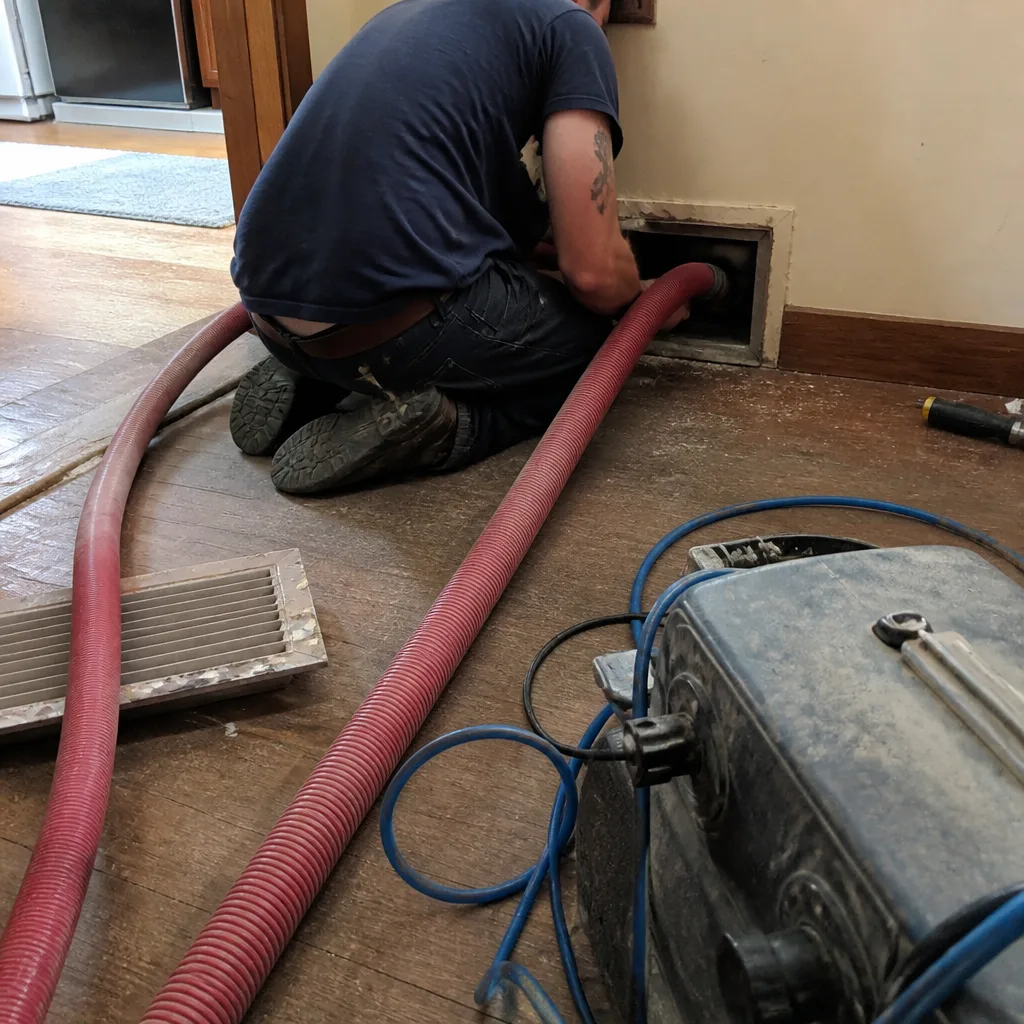 Before
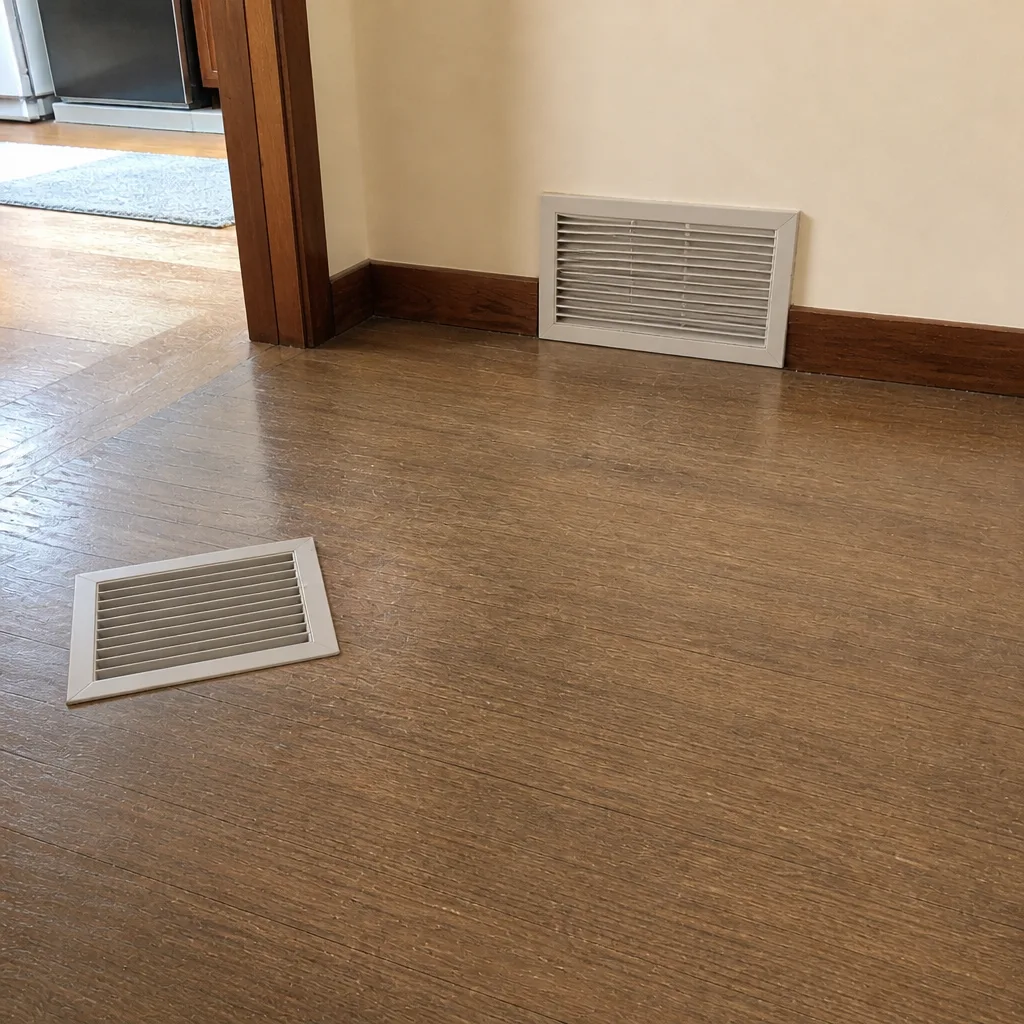 After
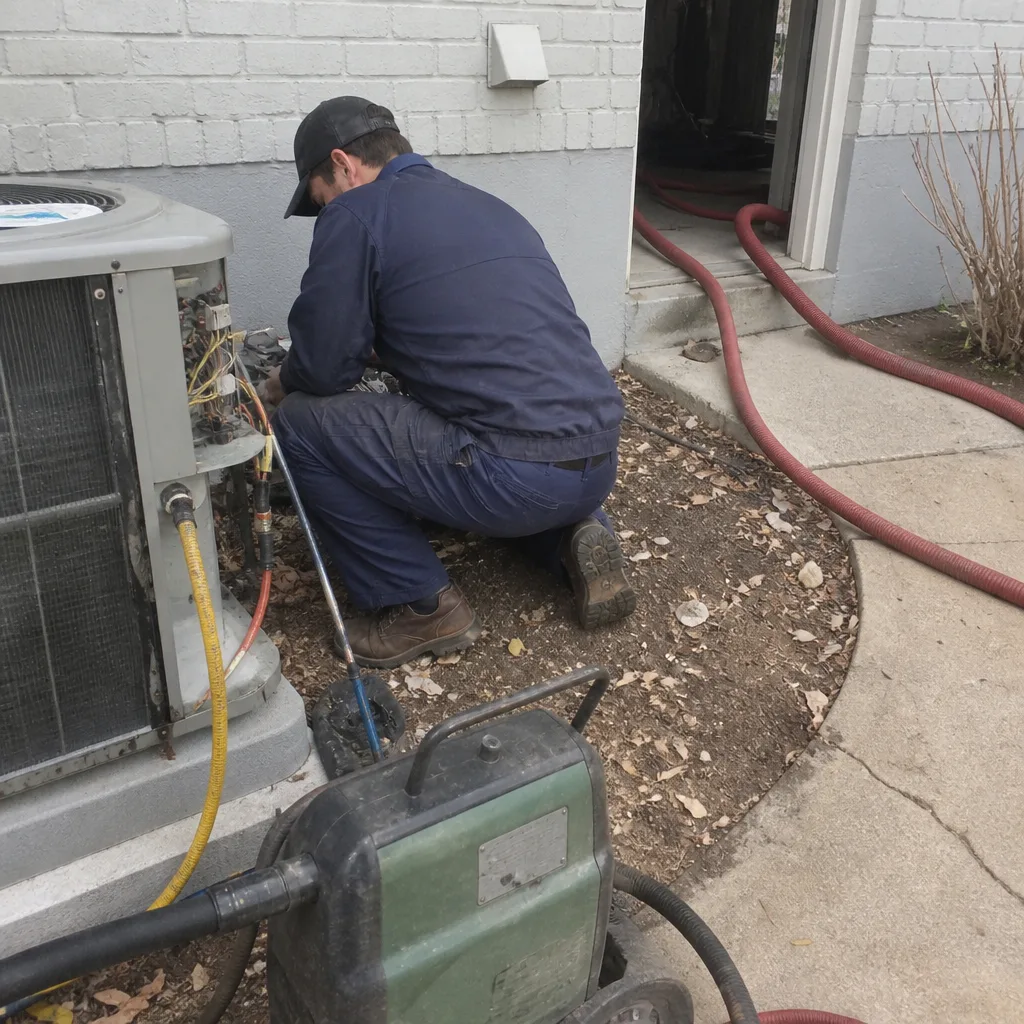 Before
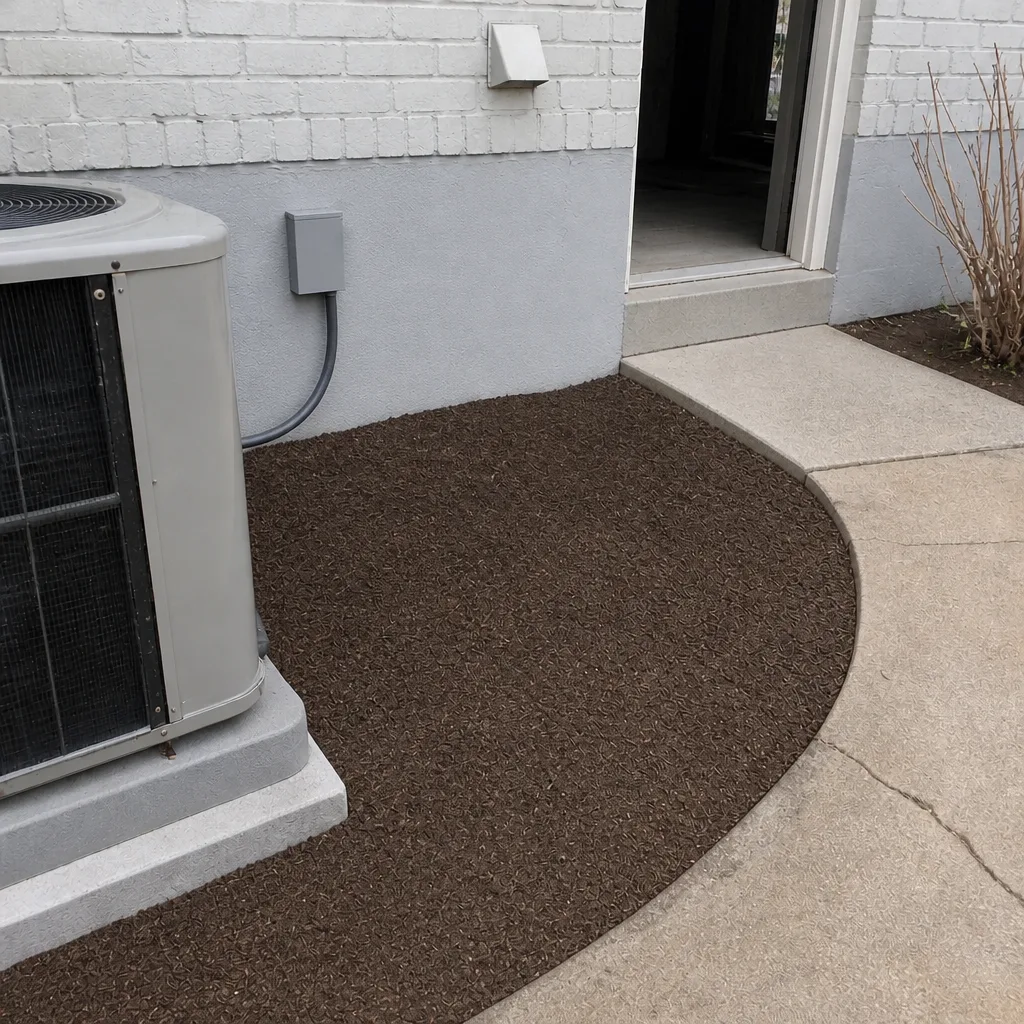 After
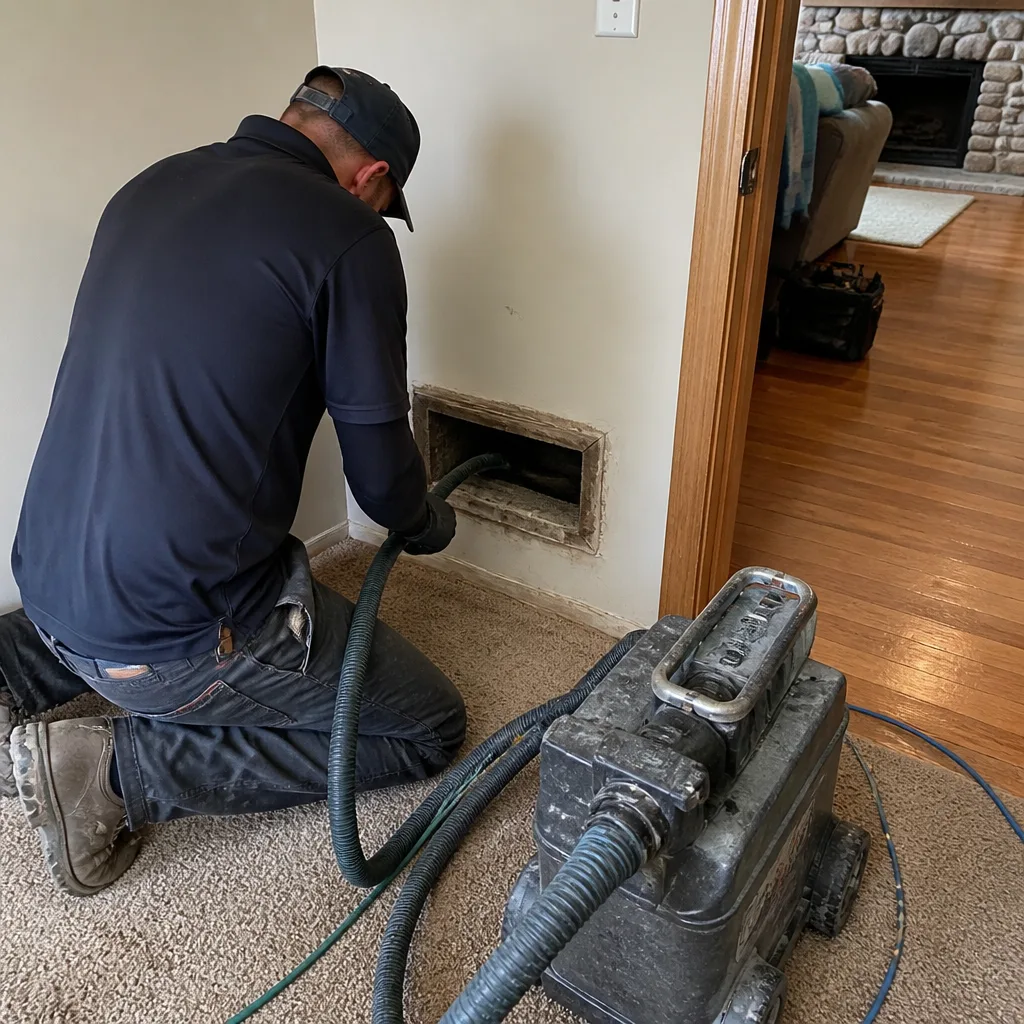 Before
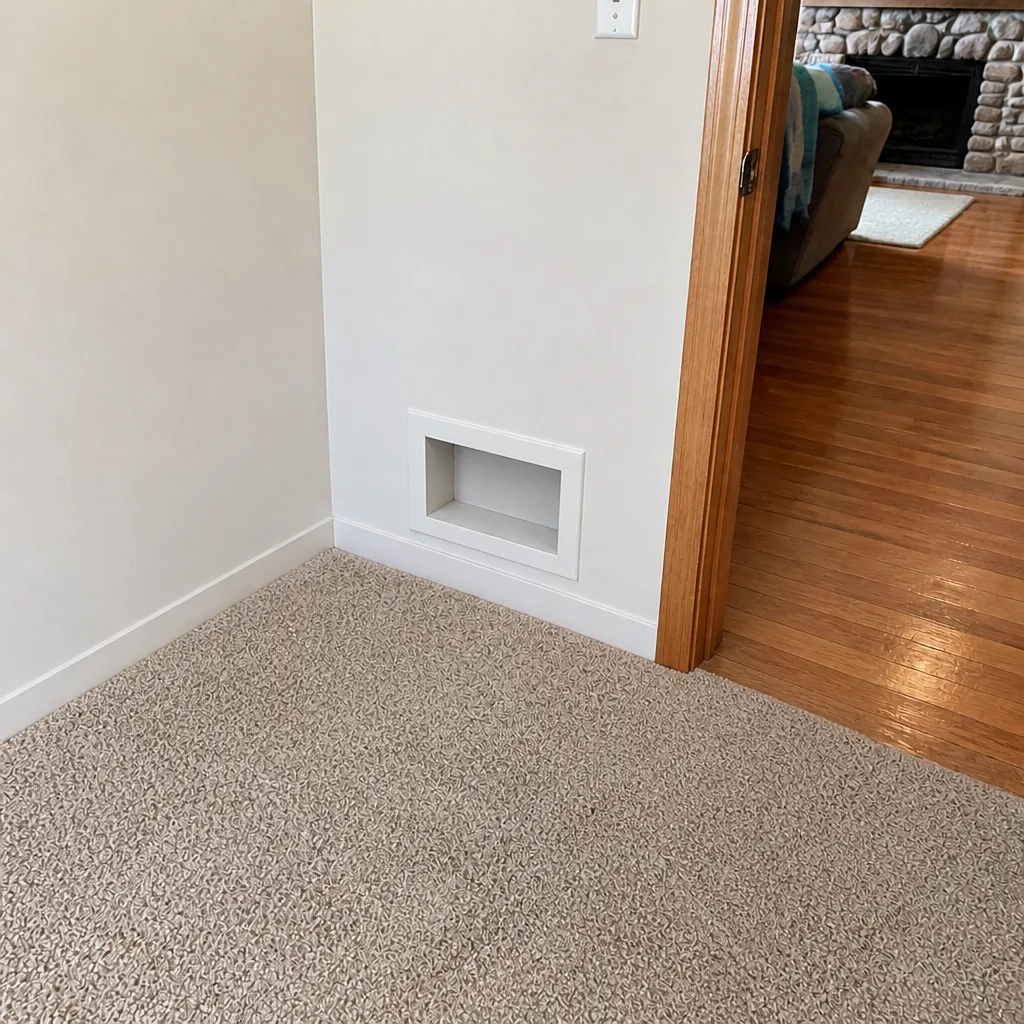 After
When to Call a Professional
Call for professional duct service when any of these are true: the HVAC system has been off due to water exposure and 48 hours are approaching, visible soot or a smoky smell appears at any register after a smoke event, indoor air quality readings stay elevated for days after the sky clears, mold is visible anywhere on or near ductwork, a pet or renovation event has loaded the system and duct cleaning is overdue, or you’re filing an insurance claim and need a written inspection. Air Duct Cleaning Cherry Creek offers free estimates in Cherry Creek – call (844) 443-3752. We answer 24/7. Fast dispatch from 7am to 7pm, Sunday through Friday. If you want a starting point for your neighborhood, the Air Duct Cleaning Cherry Creek page is the right place to begin.
Frequently Asked Questions
Within 48 hours is the target, and before 72 hours if at all possible. After that window, microbial growth is likely to have established on damp duct interiors, and cleaning becomes more involved. Turn the HVAC system off immediately, document the water exposure, and call for an inspection before the 48 hour mark.
Yes, but only under the right conditions. Running the fan continuously is beneficial if you have adequate filtration and a sealed return side. If your filter slot is loose, your return ducts leak, or your filter is cheap, running the system pulls smoke indoors. Close the outdoor air damper and check the filter fit before you run it.
Ask what your air handler’s blower can handle before going higher than MERV 13, and match the size exactly. The safest approach is to move up one step from your normal filter during a smoke event, then back down afterward. A higher filter that starves your blower can do damage, and we’ve seen it happen in Cherry Creek homes where the filter was oversized for the equipment.
Yes. Emergency cleaning includes containment equipment running on-site during the job, a written event assessment for insurance purposes, and sanitizing treatments where water, growth, or heavy debris load are involved. Routine cleaning focused on household dust doesn’t require those steps. Our technicians have up to 9 years of experience running both kinds of job, and the sequence differs enough that we scope them separately.
In order: timestamped photos of standing water or smoke deposits before cleanup, a photo of the filter with the date, indoor air quality readings with times noted, and a written professional inspection report. File the photos as you take them. The professional report supports what the photos show.
Cleaning physically removes material from duct interiors using mechanical agitation and negative pressure. Air sanitizing treats the ductwork with a product like Guardsman to address what can’t be physically removed, including microbial residue and odor. Post-flood and post-smoke jobs usually call for both, done in one visit with a single point of contact from inspection through the final verification.
No. Cleaning is only warranted when there’s evidence of infiltration: visible soot deposits, a smoky smell that appears when the system runs, or elevated indoor readings that persist. A clean filter and clear registers after a moderate smoke event usually means monitoring is enough. Call us with what you’re seeing and we’ll give you a straight answer.
The Bottom Line
The two credible duct emergencies for Cherry Creek homes are wildfire smoke infiltration and post-flood biological growth, and both are far cheaper to prepare for than to clean up after. Sealing the return side and upgrading filtration before fire season does more than any filter change once the smoke is already here. Turning the HVAC system off immediately after water exposure and getting an inspection inside the 48 to 72 hour window prevents the worst of the damage. Documentation done in the first day supports any insurance claim. And when the work is warranted, purpose-built equipment, containment during the job, and sanitizing treatments are what resolve it – not a shop vac and a hose.
If you’re in Cherry Creek and you’re not sure where your home stands, call Air Duct Cleaning Cherry Creek at (844) 443-3752 for a free estimate. We answer 24/7. Fast dispatch from 7am to 7pm, Sunday through Friday. We’ll take a look at what you have, tell you what’s worth doing, and put the price in writing before any work starts.
Written by the team at Air Duct Cleaning Cherry Creek.