
Last updated November 23, 2026
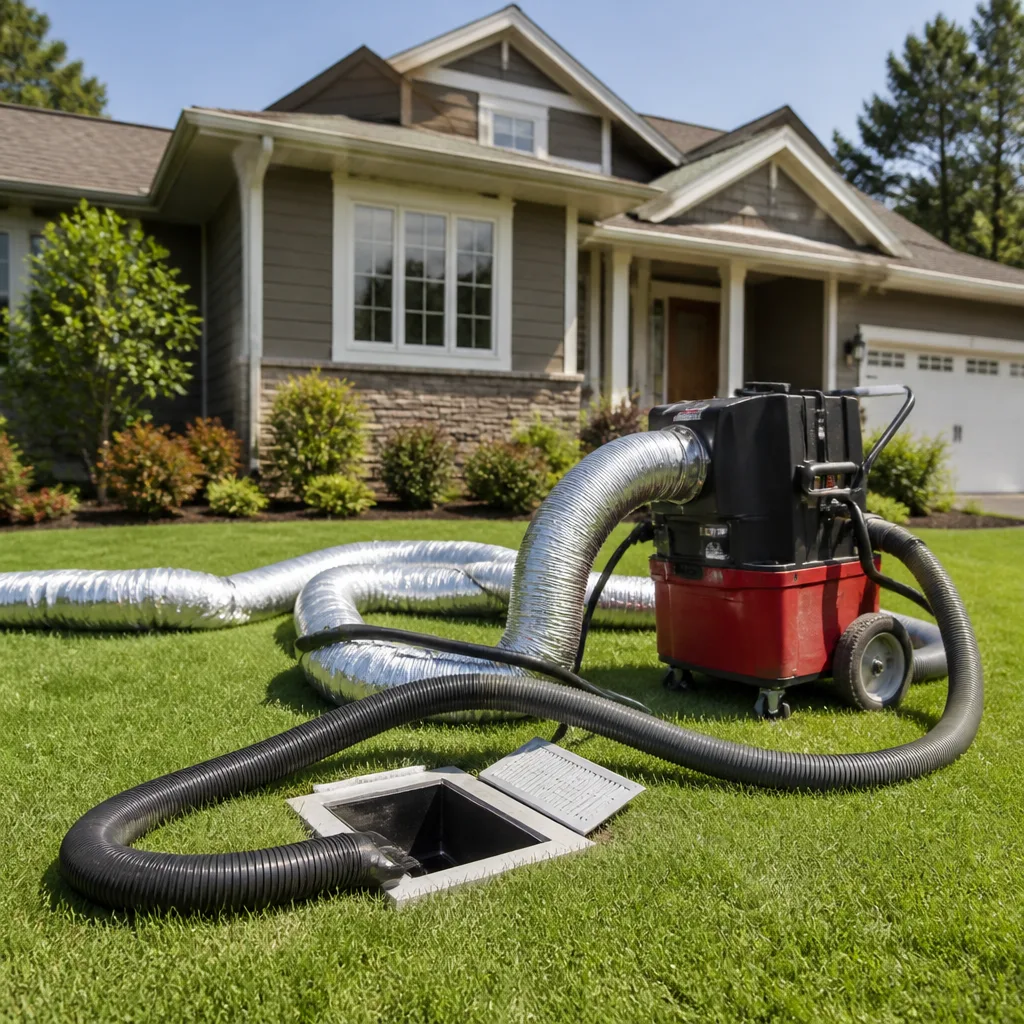 Whole-home duct cleaning
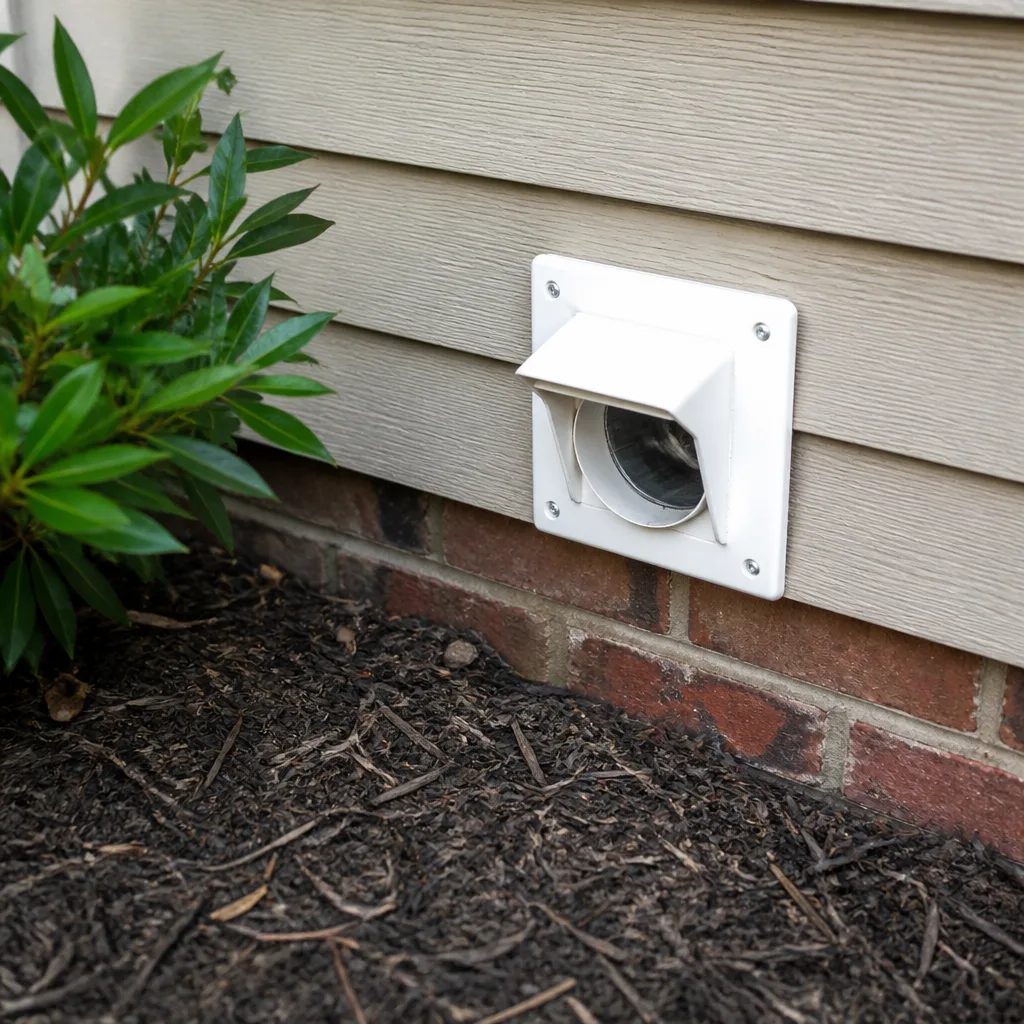 Dryer vent cleaning
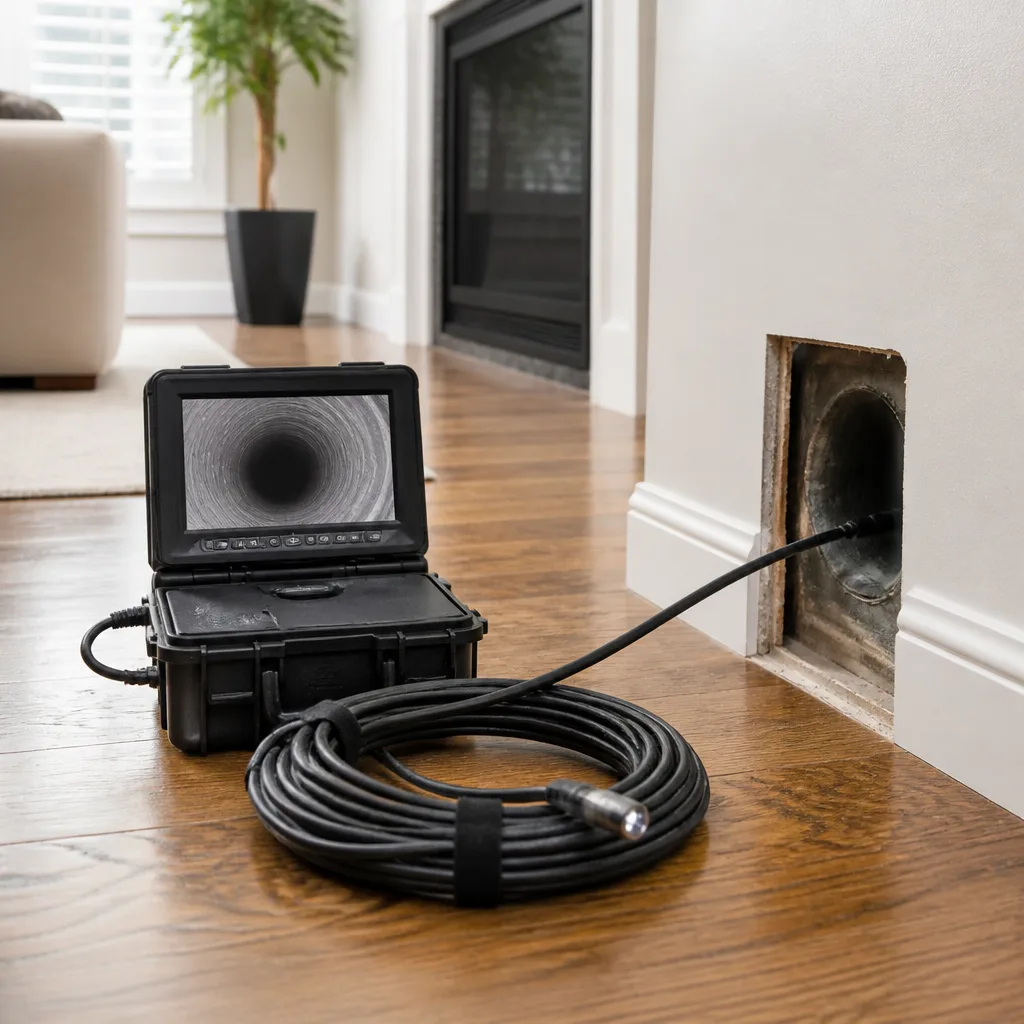 Camera inspection
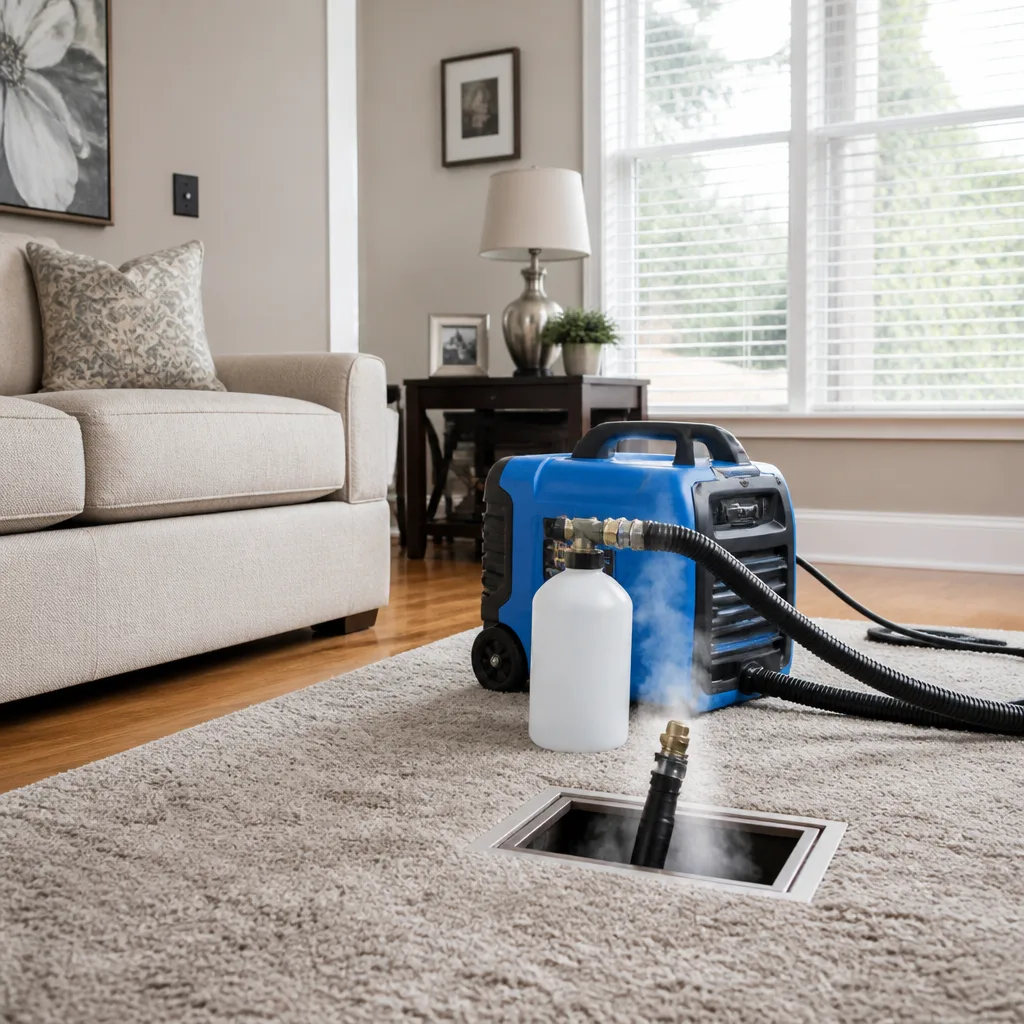 Sanitizing & deodorizing
Whole-system duct and dryer vent check with before-and-after photos - you see exactly what came out of your vents
That "$99 whole-house special" is a bait ad - the real number appears once they are in your hallway, or the "clean" is a shop-vac at the register. We photograph the inside of your ducts before and after instead.
Seasonal Air Duct Cleaning Care for Cherry Creek: Year-Round Homeowner’s Guide
Most seasonal duct cleaning advice is written for a generic American suburb, which is why it misses what actually lands in a Cherry Creek return grille. Cherry Creek sits where Denver’s cottonwood canopy meets Colorado’s wildfire smoke corridor, so your duct system takes two sharp contamination hits a year that national checklists don’t model at all. Add the swing from cooling to heating and the indoor humidity drop that follows, and “year-round care” stops being a slogan and becomes four specific tasks. This guide walks through each season, what it puts into your ducts, and the maintenance action that answers it. You’ll also learn how to build a one-page log that tells you when professional service is actually due.
Quick Answer
Air duct care in Cherry Creek follows a four-task seasonal schedule: clean return grilles and change filters during the spring cottonwood and pollen surge, inspect the system after any summer wildfire smoke event, have the evaporator coil inspected and cleaned before the heating season begins, and shorten filter intervals through the winter dry-air months when fine dust hangs longer in the airflow. A full professional cleaning is typically scheduled on condition, not on a calendar date, so a simple seasonal log is the best tool you have for knowing when to book one.
Styles & brands we work with
- Whole-home duct cleaning
- Dryer vent cleaning
- Camera inspection
- Sanitizing & deodorizing
Table of Contents
- Why Cherry Creek Ducts Face Two Extra Events a Year
- Spring: Cottonwood Fiber and the Return Grille
- Summer: Wildfire Smoke and Sub-2.5 Micron Particles
- Fall: Coil Inspection Before the First Heating Cycle
- Winter: Dry Air, Suspended Dust, and Filter Timing
- How to Build a One-Page Seasonal Log
- When a Seasonal Check Becomes Professional Work
- What Professional Equipment Actually Changes
Why Cherry Creek Ducts Face Two Extra Events a Year
Cherry Creek is not a coastal town and not a high-desert outpost. It’s a Denver-metro neighborhood with mature cottonwoods overhead and a mountain range to the west that sends smoke east during fire season. Those two facts set up the duct calendar here.
In spring, the cottonwood canopy releases the white fiber most locals know on sight. It drifts, it collects, and it finds every return grille on a house. In summer, wildfire smoke arrives in pulses: a clean week, then a bad one, then clean again. Both events push fine material into an air system that runs hard in a climate with real temperature swings. A house that heats and cools aggressively moves a lot of air, and every cubic foot of that air passes the filter and the coil first.
The practical consequence is that Cherry Creek homes tend to collect two different kinds of material: coarse fiber and pollen in spring, fine smoke residue in summer. Coarse material packs. Fine material coats. They behave differently inside the duct run, which is why the two seasons call for different responses. Neither is a crisis on its own. Both, left alone for a few years, change how the system smells and how hard the blower works.
What follows is the four-task structure in detail. If you want the background on what a full service visit covers, our air duct cleaning page lays out the process step by step.
- Spring: coarse fiber and pollen load at the returns.
- Summer: fine smoke particles that pass a standard filter.
- Fall: the first warm-air cycle through a coil that sat all summer.
- Winter: low indoor humidity keeping fine dust airborne longer.
Spring: Cottonwood Fiber and the Return Grille
The single highest-value spring task is the least glamorous one: keep the return grilles clear and change the filter on schedule. Cottonwood fiber doesn’t need to get inside the duct run to cause trouble. It only needs to mat across the return grille face, and once it does, the system starves for air.
That starvation shows up as a weak blower, a system that runs longer than it should, and a filter that loads from the back side faster than the front. When fiber does get past the grille, it tends to collect at the first transition, the nearest elbow, and the joint seams where the duct changes direction. Those are exactly the spots a shop-vac can’t reach and where material accumulates year over year.
The Spring Checklist
- Remove each return grille and look at the back face, not just the visible front.
- Wash or vacuum the grille before reinstalling it; fiber clings to the louvers.
- Replace the filter with the same nominal size and note the date.
- Check the filter again after the heaviest two weeks of fiber release; a mid-cycle look tells you whether your interval is right.
- Listen for a change in blower pitch at the vents; a strained note usually means airflow is restricted somewhere upstream.
Pollen is the quieter half of the spring load. It’s fine enough to travel with the airstream and light enough to settle in the duct run if the system cycles off. Homes with allergy-sensitive occupants notice it as a seasonal uptick in morning congestion that doesn’t track with outdoor exposure.
If the spring load is heavy enough that you’re changing filters far more often than usual, that’s a signal, not a chore. It usually means the system is holding material it can’t shed. Our HVAC cleaning service covers the air handler and coil side of that equation, which is where the spring fiber often ends up.
Summer: Wildfire Smoke and Sub-2.5 Micron Particles
Wildfire smoke is a size problem before it’s a smell problem. The particles that matter most are under 2.5 microns, and a standard 1-inch pleated filter is not built to capture them at high efficiency. That’s not a knock on your filter; it’s a statement about what the filter was designed to do.
So when a smoke event rolls through Cherry Creek, some of that fine material gets past the filter and deposits on the coil, the blower wheel, and the duct walls. You won’t see it. You’ll smell it faintly on the first cool morning, or notice the system carrying a smoky edge well after the sky clears.
What a Post-Smoke Inspection Should Include
- A look at the evaporator coil face for a gray or brown film.
- The blower wheel, which traps fine particles on the blade edges and loses balance as it loads.
- The filter’s condition and its true change date, since smoke events compress filter life.
- A sniff test at several supply registers, not just the closest one.
- A check of the return path, where fine material settles when the system is off.
One smoke event doesn’t justify a full cleaning. A summer of repeated events, layered on top of the spring fiber load, is a different story. The combination is what drives most of the mid-year cleaning decisions we see in Cherry Creek homes.
Sanitizing is worth discussing after a heavy smoke season, particularly in households with mold concerns, pets, or recent renovation dust. A Guardsman treatment addresses what’s left on surfaces after the mechanical cleaning is done. Cleaning comes first; sanitizing is a finish, not a substitute.
Fall: Coil Inspection Before the First Heating Cycle
Fall is the season most homeowners skip, and it’s the one that pays best. The evaporator coil has been wet and cold all summer. Now the system is about to push warm air across it for the first time in months. Anything growing on that coil gets distributed through every supply register in the house, and you smell it immediately.
The fall task, then, is inspection before the switch, not after. Pull the coil access panel if you’re comfortable doing so and look at the coil face with a light. A clean coil reflects light. A loaded one has a film, a mat of dust, or visible growth between the fins. If you’re not comfortable opening the air handler, that’s a job for a technician, and the shoulder season is the right time to book it.
The Fall Checklist
- Inspect the evaporator coil face before the first heating call of the season.
- Clean or schedule cleaning if the coil shows film, mat, or growth.
- Check the condensate drain pan for standing water and residue.
- Replace the filter and record the date.
- Run the heat for ten minutes and note any odor at the registers.
If you notice a musty smell on that first heating run, don’t wait. Odor is the most reliable early indicator that the coil needs attention, and it rarely clears on its own. Our Air Duct Cleaning Cherry Creek team can inspect the coil and duct run together and tell you which one is the source.
Duct seams also deserve a look in fall. A sealed system holds pressure better, and pressure matters more in heating season when the temperature differential across the duct walls is largest. Small leaks at joints waste warm air into unconditioned space. Sealing them is a small job with an outsized effect on how evenly the house heats.
Winter: Dry Air, Suspended Dust, and Filter Timing
Cherry Creek winters run dry. Indoor relative humidity often sits somewhere in the 15 to 25 percent range, and that number matters for duct care more than most homeowners realize.
Dry air suspends fine dust longer. In a humid house, particles pick up moisture, get heavier, and settle out of the airstream. In a dry house they stay aloft, cycle through the return, and pass the filter repeatedly before they finally settle. The practical result is that the same dust load produces more airborne hours in winter than in summer.
That changes one thing: filter frequency. If you run a 90-day interval in July, you may need a shorter one in January. The right approach is to check the filter at the halfway point and let what you see set the next interval, rather than trusting a number on the packaging.
The Winter Checklist
- Check the filter at the halfway mark of your usual interval and adjust.
- Watch for static and dust trails on supply registers; both signal dry, particle-heavy air.
- Keep return grilles clear of furniture and rugs that block the airflow path.
- Note any new musty or dusty odor and when it appears in the cycle.
- Consider whether a whole-home humidifier would reduce suspended dust, and talk to a technician about Honeywell or Aprilaire options that fit your system.
A humidifier doesn’t clean ducts and isn’t a substitute for cleaning. It changes the physics of how long fine dust stays airborne, which can meaningfully reduce what the system has to carry.
How to Build a One-Page Seasonal Log
A one-page log is the most useful tool a homeowner can keep, and it takes about ten minutes a season. The point is to give the next professional visit something to work from besides memory.
Keep it simple. A single page, four columns, one line per event. Store it near the air handler or photograph it to your phone. The format matters less than the consistency.
What the Log Should Track
- Filter changes: date, filter size, and a one-word note on condition (light, medium, heavy).
- Notable events: a heavy cottonwood week, a multi-day smoke event, a renovation, a new pet. These are the inputs that shift your cleaning timeline.
- Service dates: any coil inspection, duct cleaning, sealing, or sanitizing, with the company and what was done.
- Odor and comfort notes: when a smell appeared, which registers, and whether it cleared.
After a year, the log tells a story. Two heavy filter loads plus a bad smoke summer plus a coil inspection that showed film usually adds up to “book a cleaning.” A year of light filters and no odors usually adds up to “keep going.” The decision becomes evidence-based instead of guesswork, which is the whole point.
Property managers in Cherry Creek should keep one log per unit. It makes turnover cleaner and gives you a defensible answer when a tenant asks when the ducts were last serviced.
When a Seasonal Check Becomes Professional Work
Some seasonal tasks belong to the homeowner. Others belong to a trained technician with purpose-built equipment. The line is usually clearer than people think.
Filter changes, grille cleaning, and a visual coil inspection are reasonable homeowner tasks. Mechanical cleaning of the duct run, chemical sanitizing, duct sealing, and any work inside the air handler are not. The air handler contains electrical components and a blower that can be damaged by improvised tools. The coil fins bend easily and are expensive to repair.
Schedule a professional cleaning when your log shows a pattern rather than a one-off. Specific triggers:
- A filter that loads from the back and needs replacing well before your usual interval.
- A persistent musty or smoky odor at the registers that doesn’t clear with a filter change.
- Visible dust trails from supply registers or a noticeable dust film on furniture within days of cleaning.
- A coil inspection that shows film, matting, or growth.
- A renovation that generated drywall dust, or a smoke event that lasted more than a few days.
- A dryer that takes noticeably longer to dry a load, which points to a clogged vent.
That last one is worth its own mention. Dryer vents are a fire risk, and many duct cleaners quietly skip them. We don’t. Our dryer vent cleaning service is on the menu because it belongs there.
Air Duct Cleaning Cherry Creek offers free estimates in Cherry Creek. Call (844) 443-3752. We answer 24/7. Fast dispatch from 7am to 7pm, Sunday through Friday.
What Professional Equipment Actually Changes
The difference between a real duct cleaning and a cosmetic one is mechanical agitation. A vacuum alone pulls loose surface dust. It doesn’t dislodge material that has packed against a duct wall or settled into a joint seam. That takes a rotating brush system plus a high-volume vacuum working together.
We run Rotobrush and Nikro systems, which are purpose-built duct cleaning tools rather than shop-vac workarounds. The brush agitates; the vacuum extracts. Neither works well without the other. On-site, we also use Abatement Technologies air filtration to capture dislodged particulates during the job, which reduces the chance of cross-contamination inside the home while the work is happening.
What the Process Looks Like
- Inspect the system and identify the duct layout, including branches and transitions.
- Set up containment and air filtration before any agitation begins.
- Agitate the duct walls with rotating brush equipment, working from the far end back.
- Extract the dislodged material with high-volume vacuum.
- Clean the air handler components, including the blower and coil where accessible.
- Seal any identified leaks at joints and transitions.
- Apply sanitizing treatment where appropriate, then verify with before-and-after photos.
Our technicians have up to 9 years of experience. We work with Honeywell and Aprilaire systems regularly, so we understand how filtration and humidification components interact with the duct run rather than treating the ducts as an isolated pipe. One team handles diagnosis, cleaning, sealing, and sanitizing end to end.
Common Mistakes to Avoid
- Treating filter changes as a spring-only task. Winter dry air changes how long fine dust stays airborne, and a 90-day interval set in July may be too long by January.
- Assuming a standard filter handles wildfire smoke. Sub-2.5 micron particles pass a standard pleated filter at a meaningful rate; post-smoke inspection catches what got through.
- Skipping the fall coil inspection. The first warm-air cycle pushes whatever grew on the coil all summer straight into the living space. Check before the switch, not after.
- Cleaning ducts without sealing them. A clean system with leaking joints pulls unconditioned air back in, which undoes much of the cleaning work. Sealing belongs in the same visit.
- Ignoring the dryer vent because it isn’t a duct. It is a duct, and it’s a fire risk. Many duct cleaners skip it; ask directly whether it’s included.
- Hiring on coupon price alone. A low teaser that becomes a much larger invoice once the technician is on site is this industry’s oldest problem. Agree on a flat price per system before work starts.
- Not keeping a log. Without one, the next cleaning decision is guesswork, and guesswork usually means either cleaning too often or waiting until there’s a smell.
See the difference
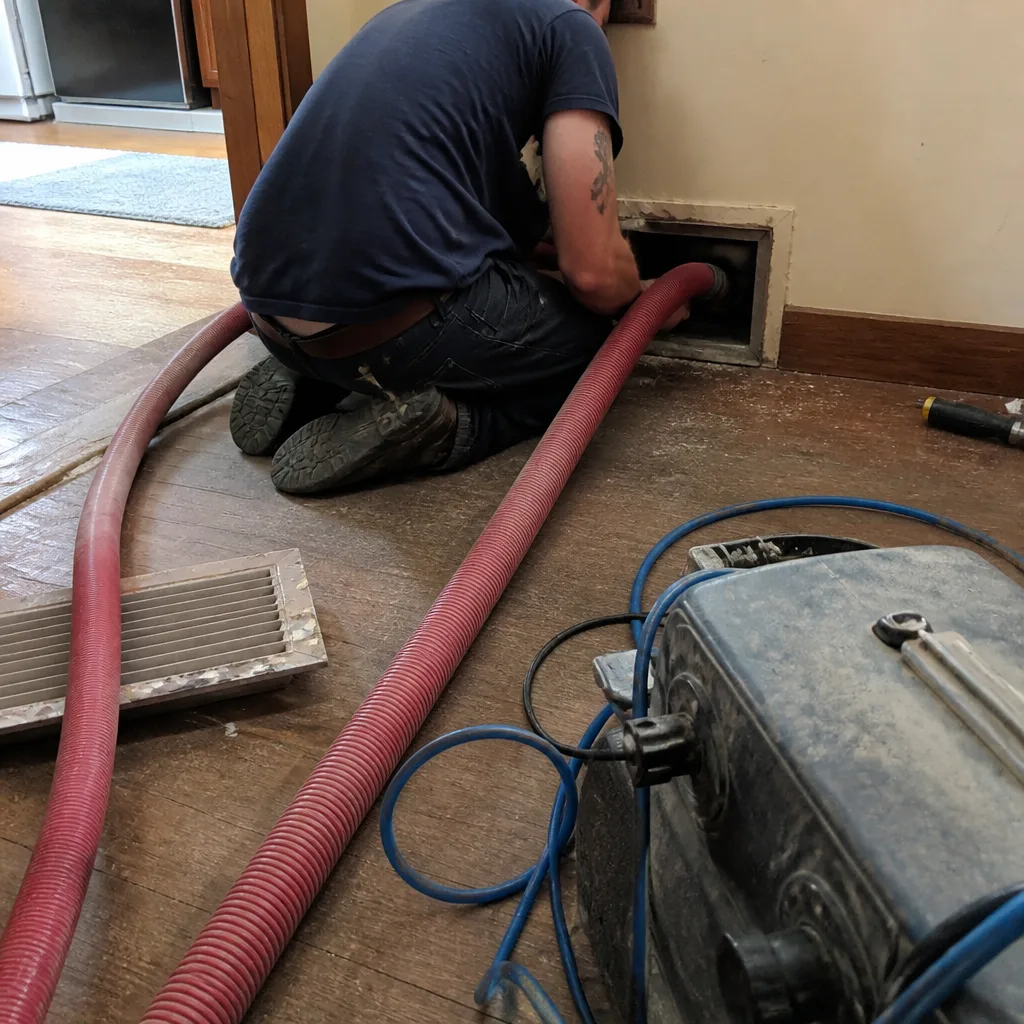 Before
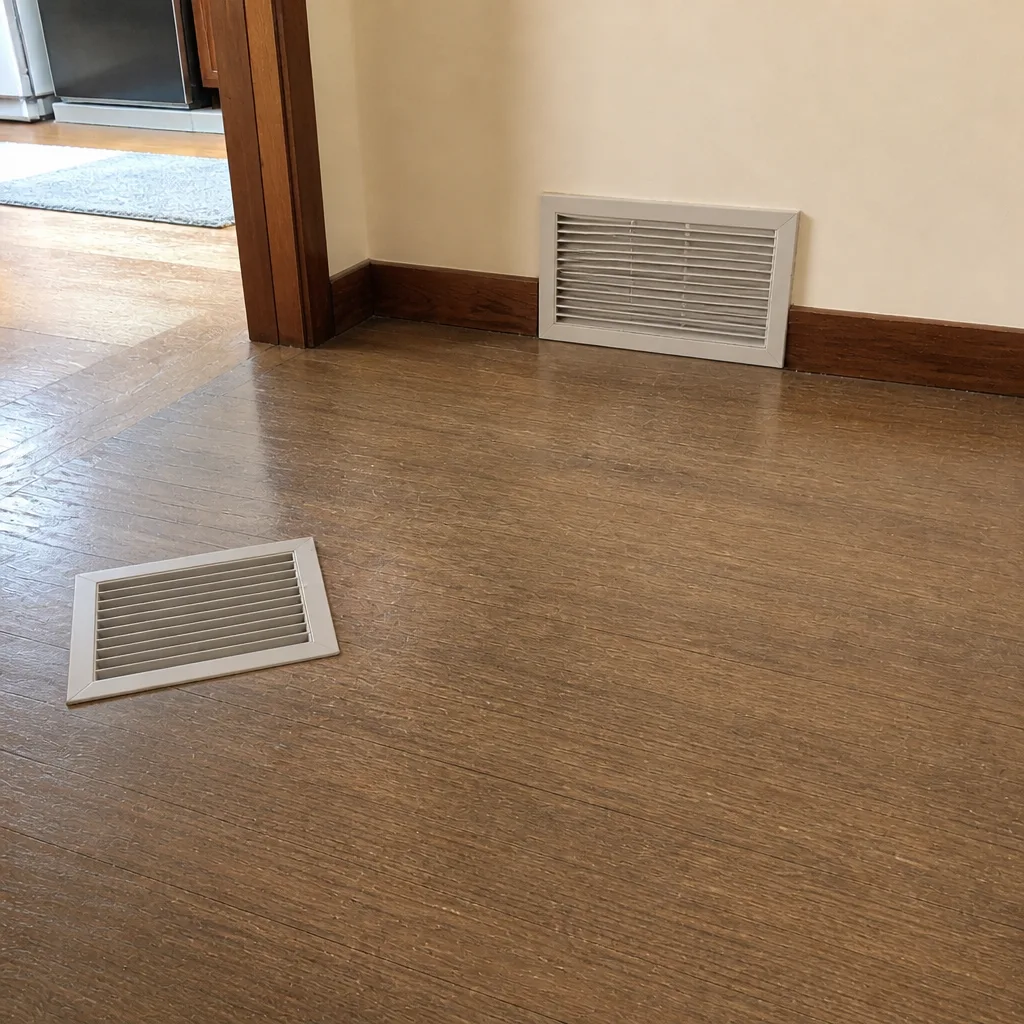 After
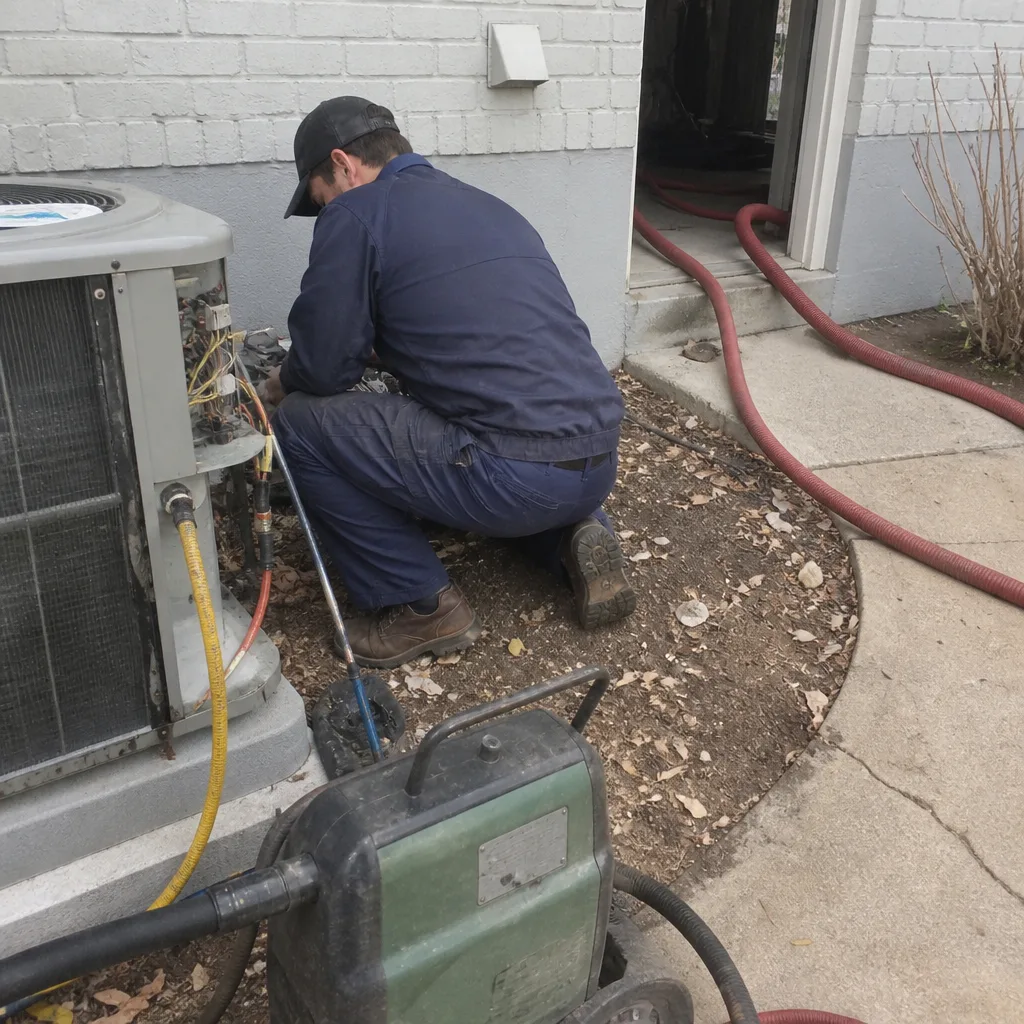 Before
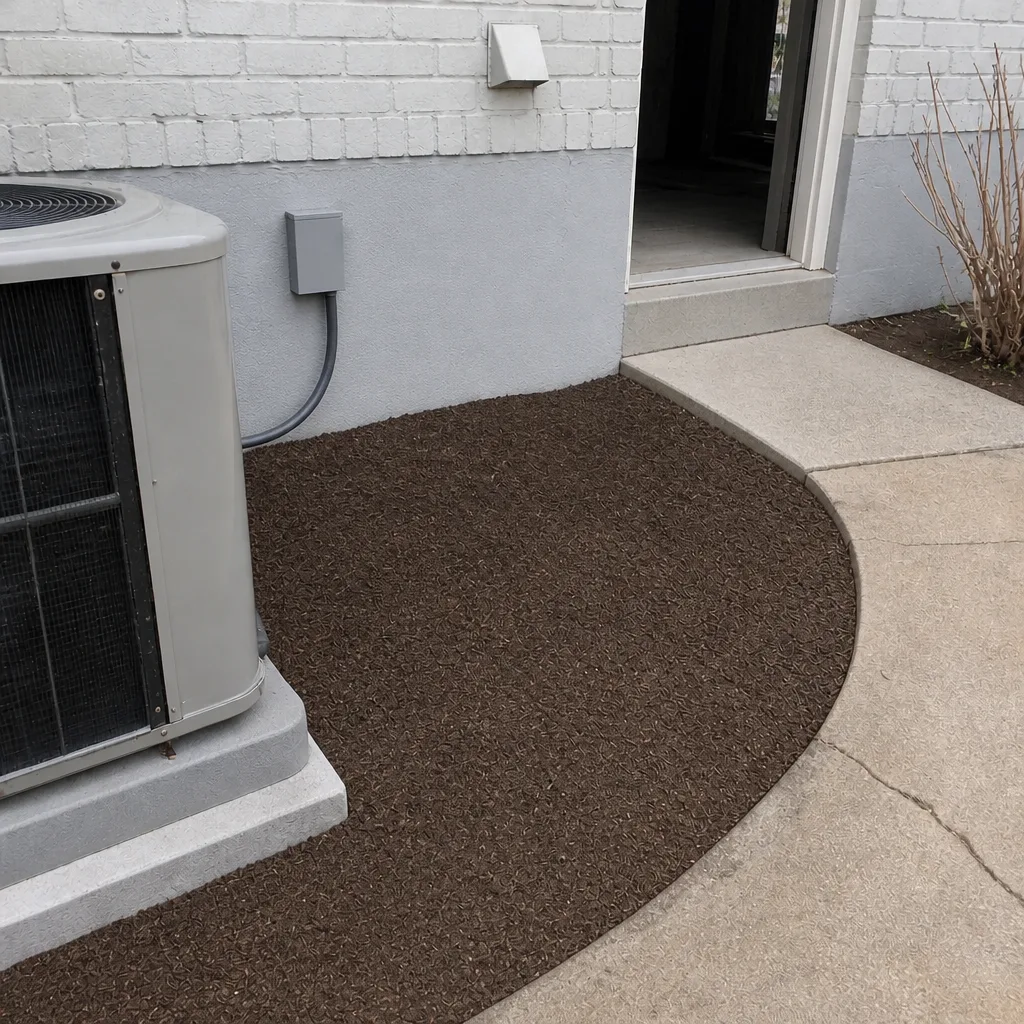 After
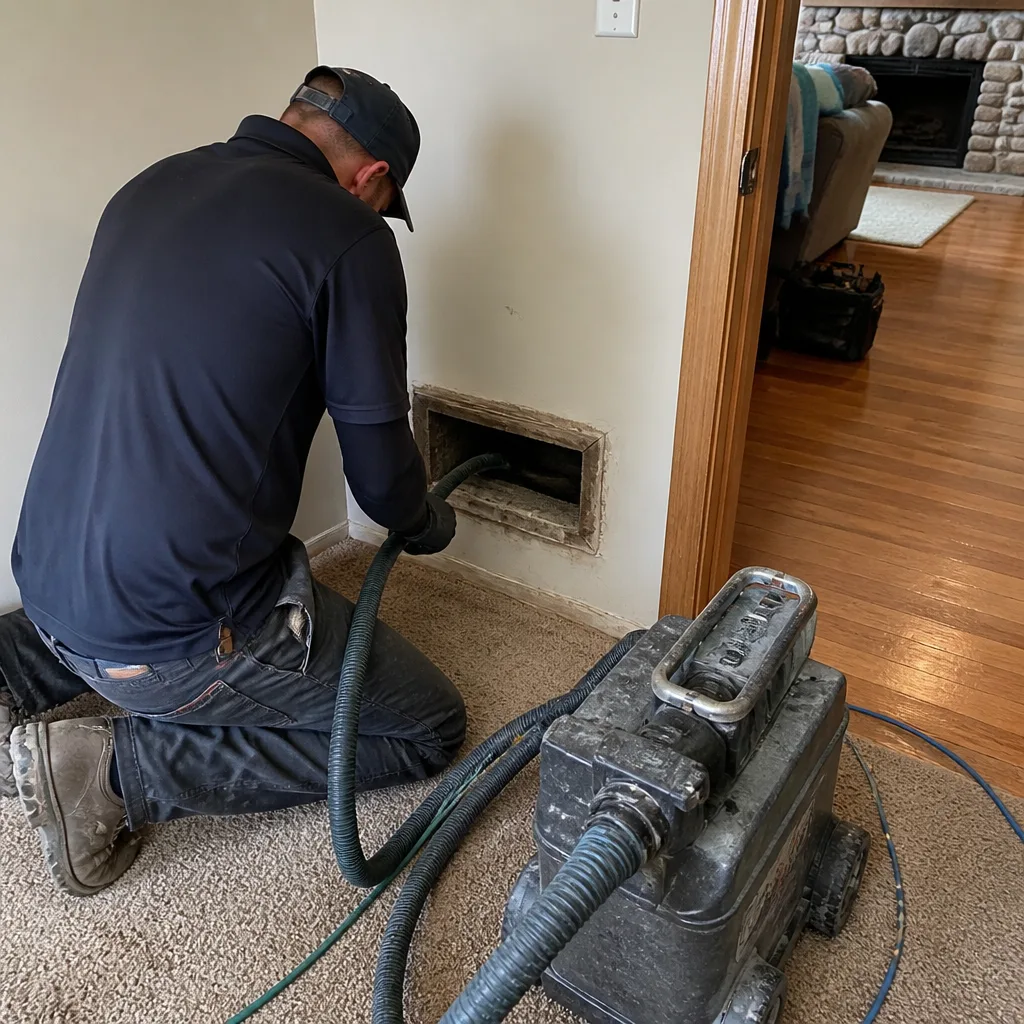 Before
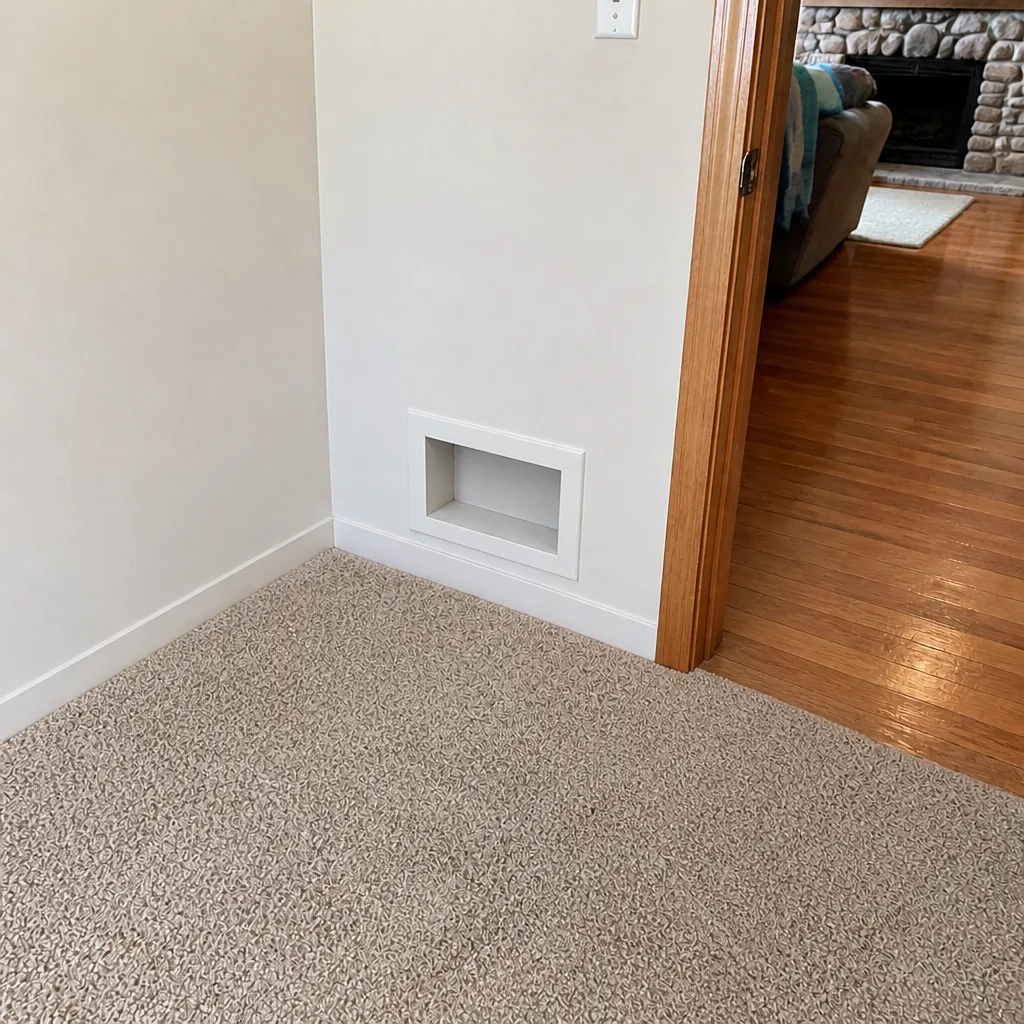 After
When to Call a Professional
Call a professional when the pattern in your log points to a system holding material it can’t shed: filters loading early, odors that persist after a change, visible dust returning within days, or a coil that shows film. Call immediately if you smell musty air on the first heating run of the season, if a renovation pushed drywall dust through the system, or if your dryer is taking noticeably longer to dry. Call before you attempt anything inside the air handler; that’s where improvised tools cause real damage.
Air Duct Cleaning Cherry Creek offers free estimates in Cherry Creek. Call (844) 443-3752. We answer 24/7. Fast dispatch from 7am to 7pm, Sunday through Friday.
Frequently Asked Questions
Most homes here do well with a professional cleaning every two to four years, but the right interval depends on your seasonal load, not the calendar. A home near heavy cottonwood canopy that also went through a bad smoke summer may need cleaning sooner. Homes on the lighter end of both can stretch the interval. A seasonal log makes the call evidence-based rather than a guess. Call (844) 443-3752 for an exact quote; estimates are free.
Yes, some of it does. Particles under 2.5 microns pass a standard 1-inch pleated filter at a meaningful rate, which means fine smoke residue can deposit on the coil, the blower wheel, and the duct walls over a summer. You’ll often notice it as a faint smoky smell on the first cool morning after a bad event. A post-smoke inspection is the way to find out whether cleaning is warranted. Call (844) 443-3752 for an exact quote; estimates are free.
Dry air keeps fine dust suspended longer. Indoor relative humidity in Cherry Creek often sits somewhere between 15 and 25 percent in winter, and at that level particles stay aloft and cycle through the return repeatedly before settling. The practical answer is a shorter filter interval and a look at whether a whole-home humidifier makes sense for your system. Call (844) 443-3752 for an exact quote; estimates are free.
Sometimes, and a fall coil inspection tells you. If the coil shows film, matting, or growth, cleaning before the first heating cycle prevents that material from being distributed through the house. If the coil is clean, you can reasonably wait. The inspection is the decision point. Call (844) 443-3752 for an exact quote; estimates are free.
Duct cleaning addresses the duct run itself: the supply and return paths, transitions, and grilles. HVAC cleaning covers the air handler side, including the blower wheel and coil. Most homes with a real contamination problem need both, which is why we handle them as one job rather than splitting them between contractors. Call (844) 443-3752 for an exact quote; estimates are free.
Sanitizing is worth it after a heavy smoke season, in households with pets or mold concerns, or after a renovation pushed fine dust through the system. It’s a finish applied after mechanical cleaning, not a substitute for it. Cleaning has to come first or there’s nothing meaningful to sanitize. Call (844) 443-3752 for an exact quote; estimates are free.
The Bottom Line
Cherry Creek’s duct calendar differs from a generic national one because of two events most guides ignore: the spring cottonwood and pollen surge, and the summer wildfire smoke pulses that push sub-2.5 micron particles past a standard filter. Add the fall coil inspection and the winter dry-air filter adjustment and you have four concrete tasks, one per season. Keep a one-page log of filter changes, events, and service dates, and the decision to book a professional cleaning becomes a matter of evidence rather than instinct. Purpose-built equipment and containment matter more than a coupon price. If the log points to cleaning, call us.
Call (844) 443-3752. We answer 24/7. Fast dispatch from 7am to 7pm, Sunday through Friday. Estimates are free.
Written by the team at Air Duct Cleaning Cherry Creek.