
Last updated November 23, 2026
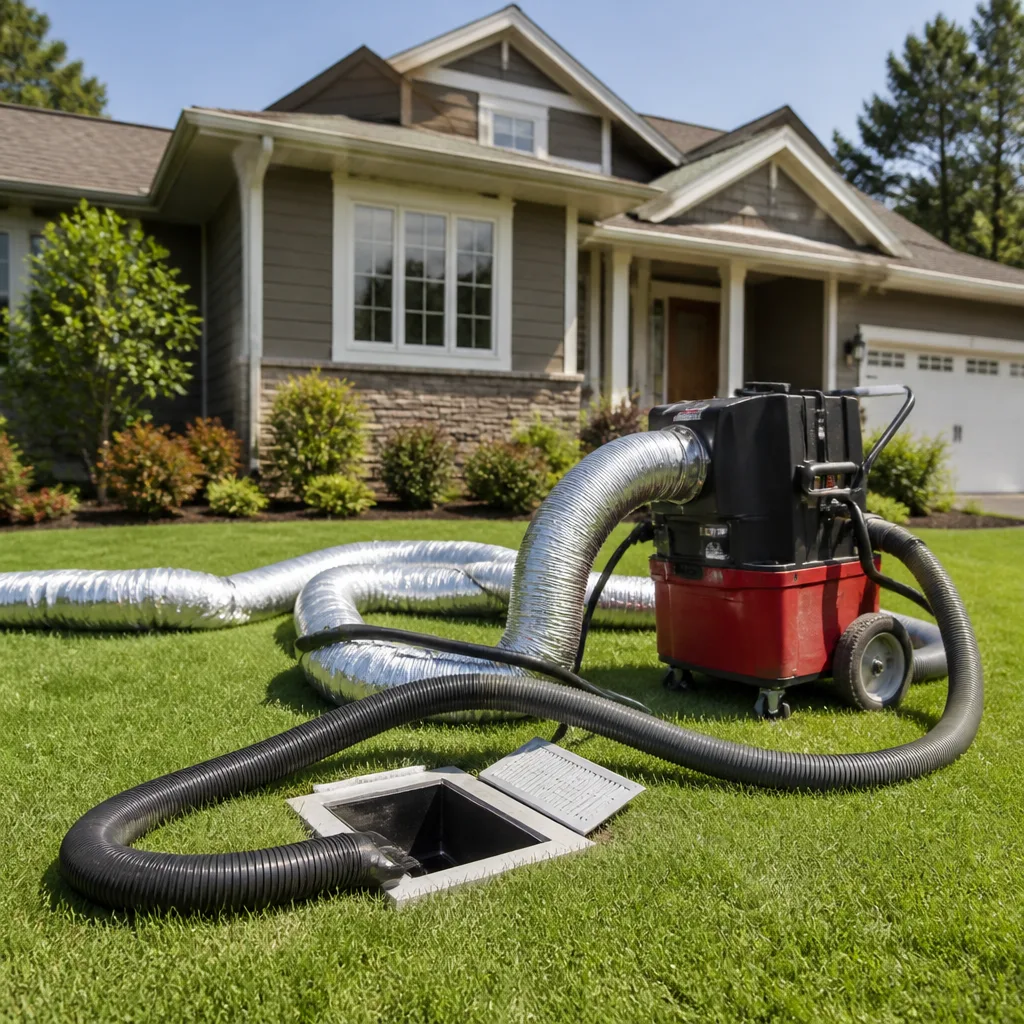 Whole-home duct cleaning
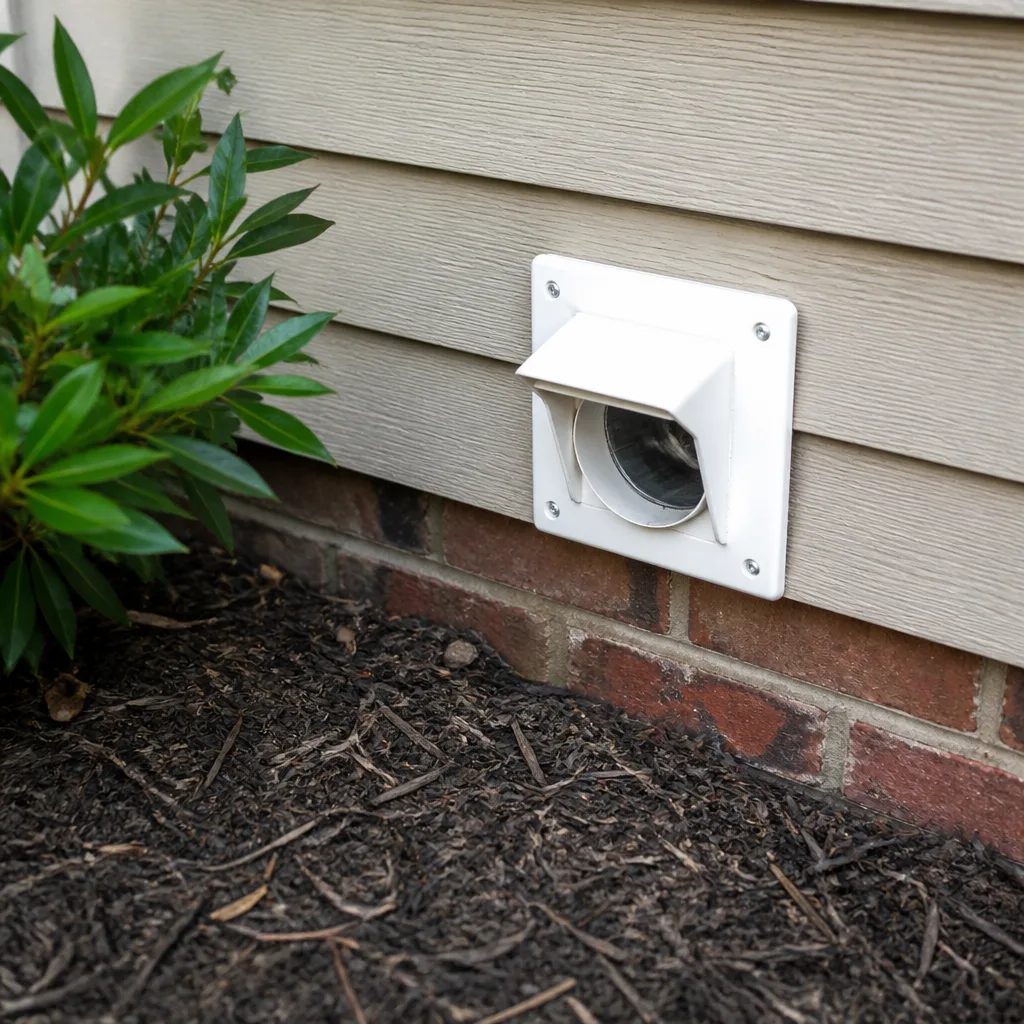 Dryer vent cleaning
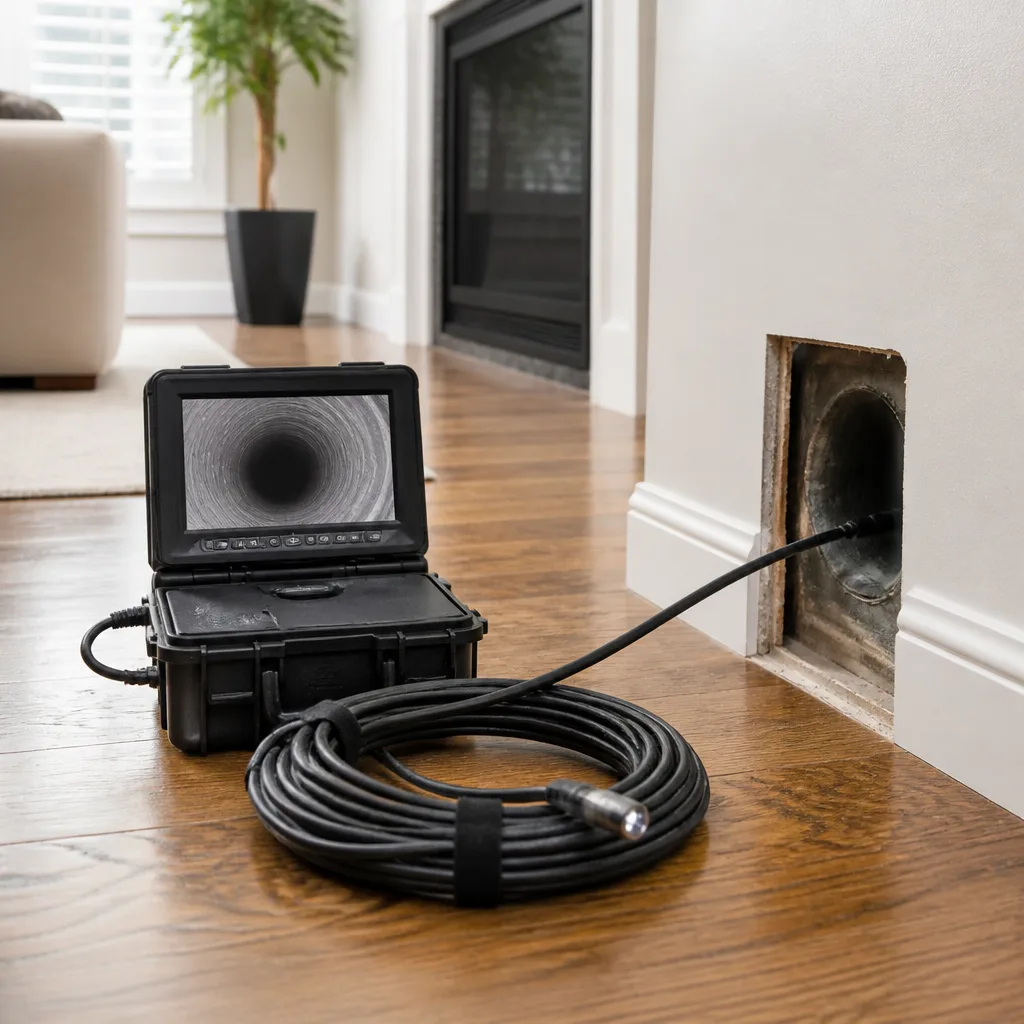 Camera inspection
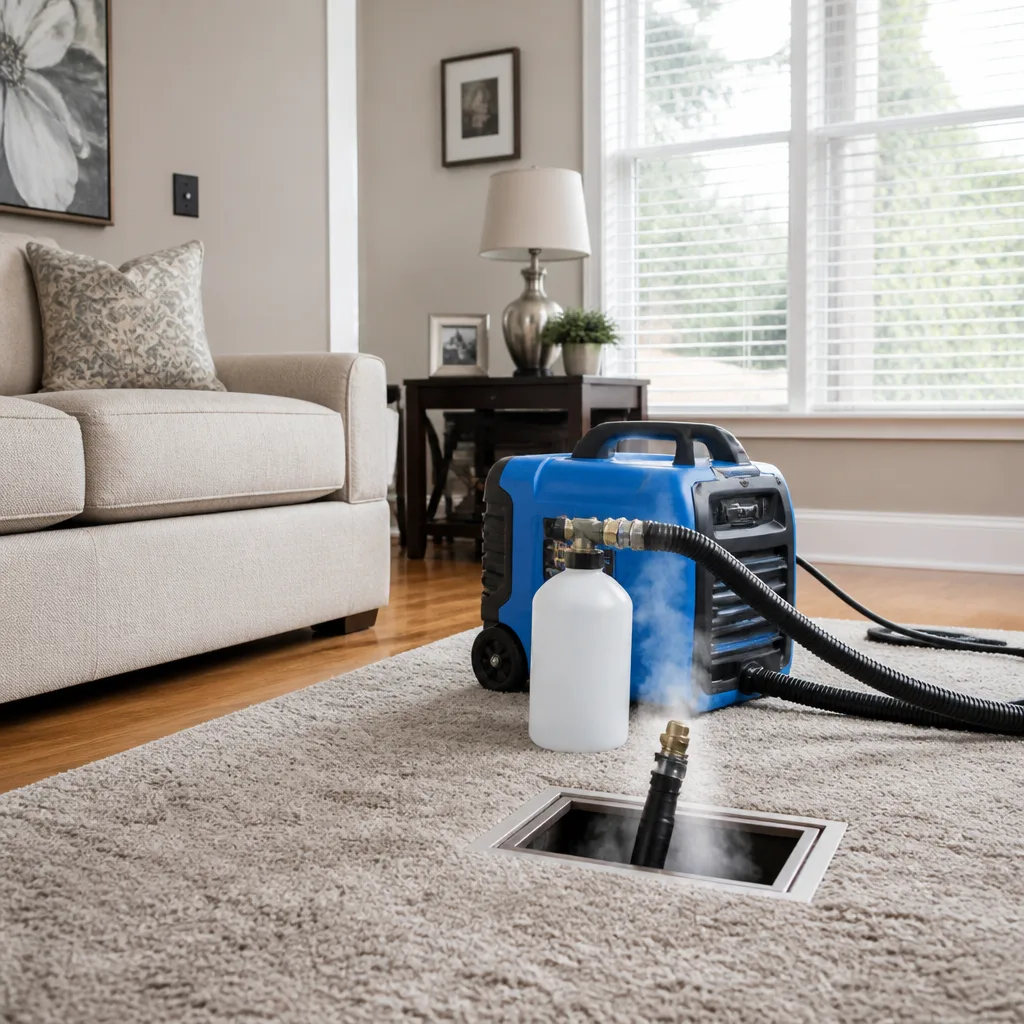 Sanitizing & deodorizing
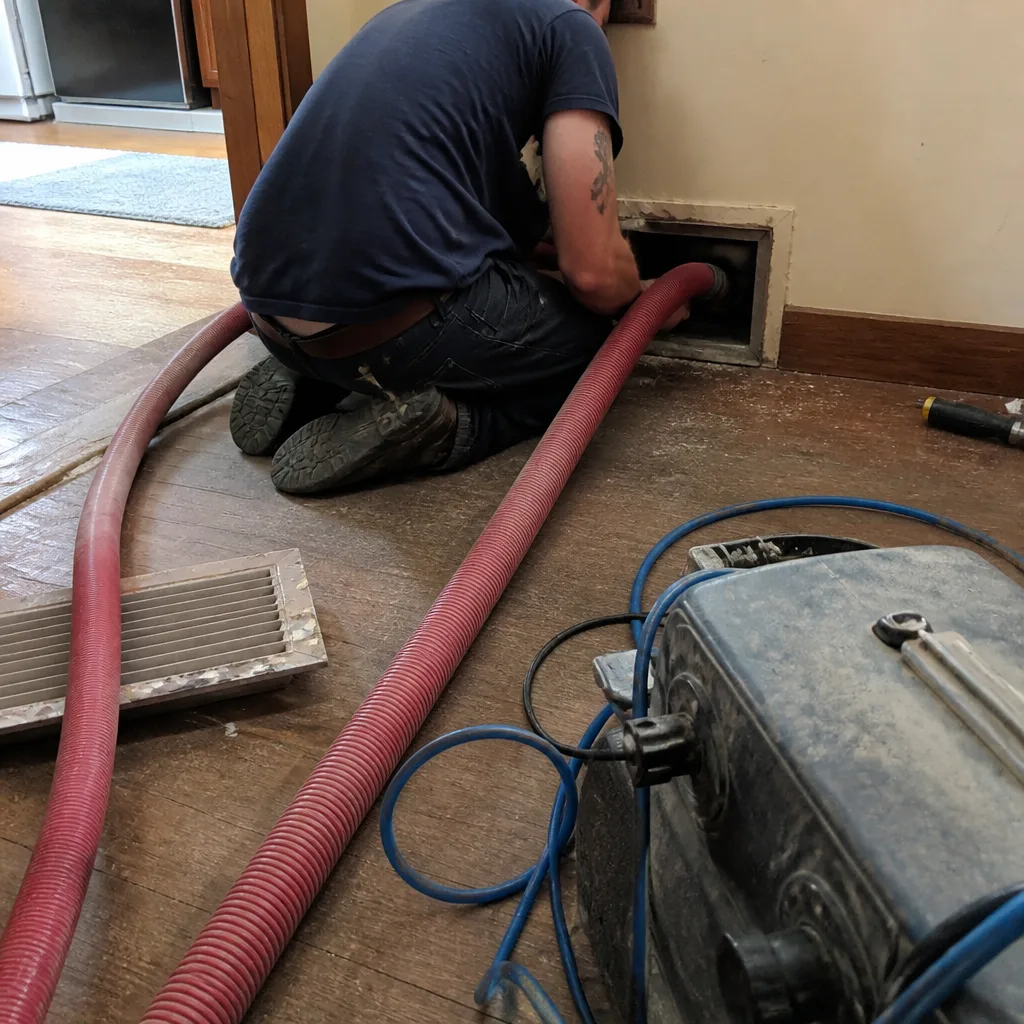
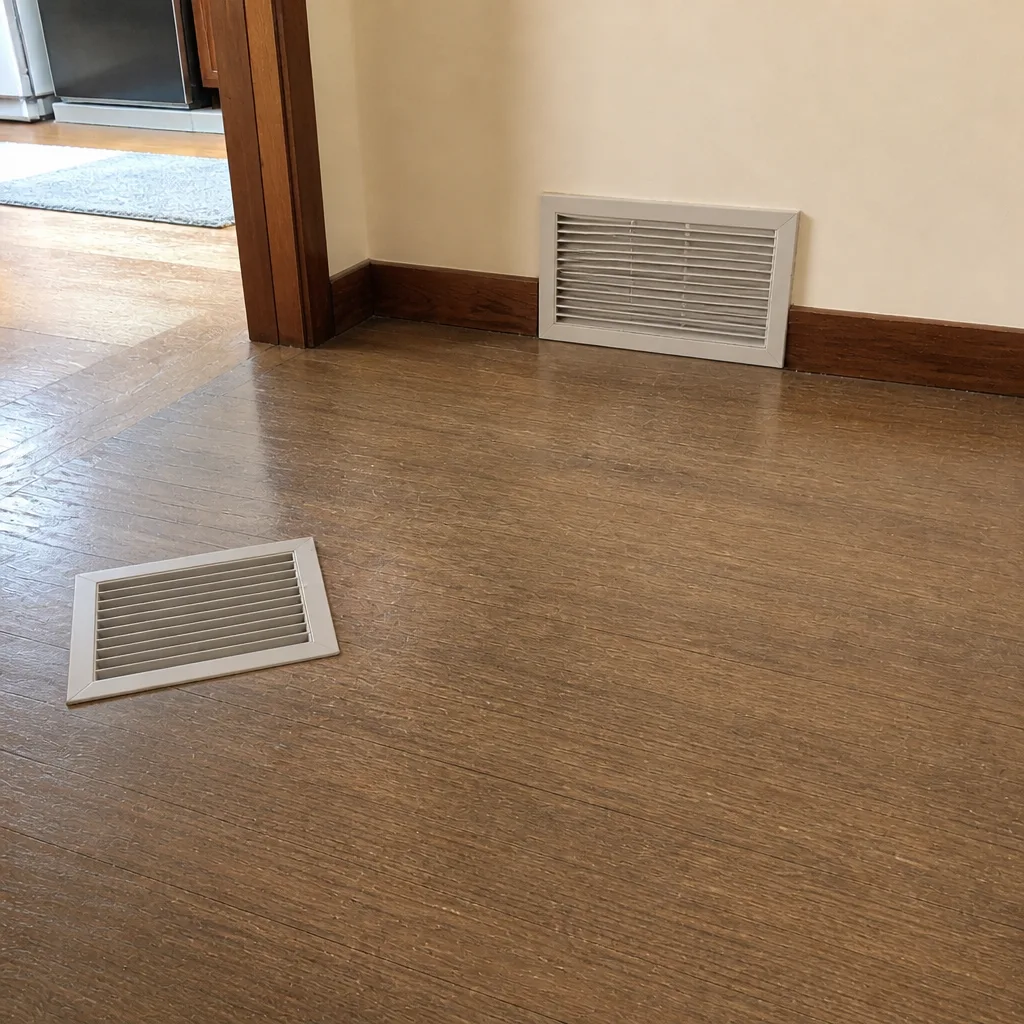
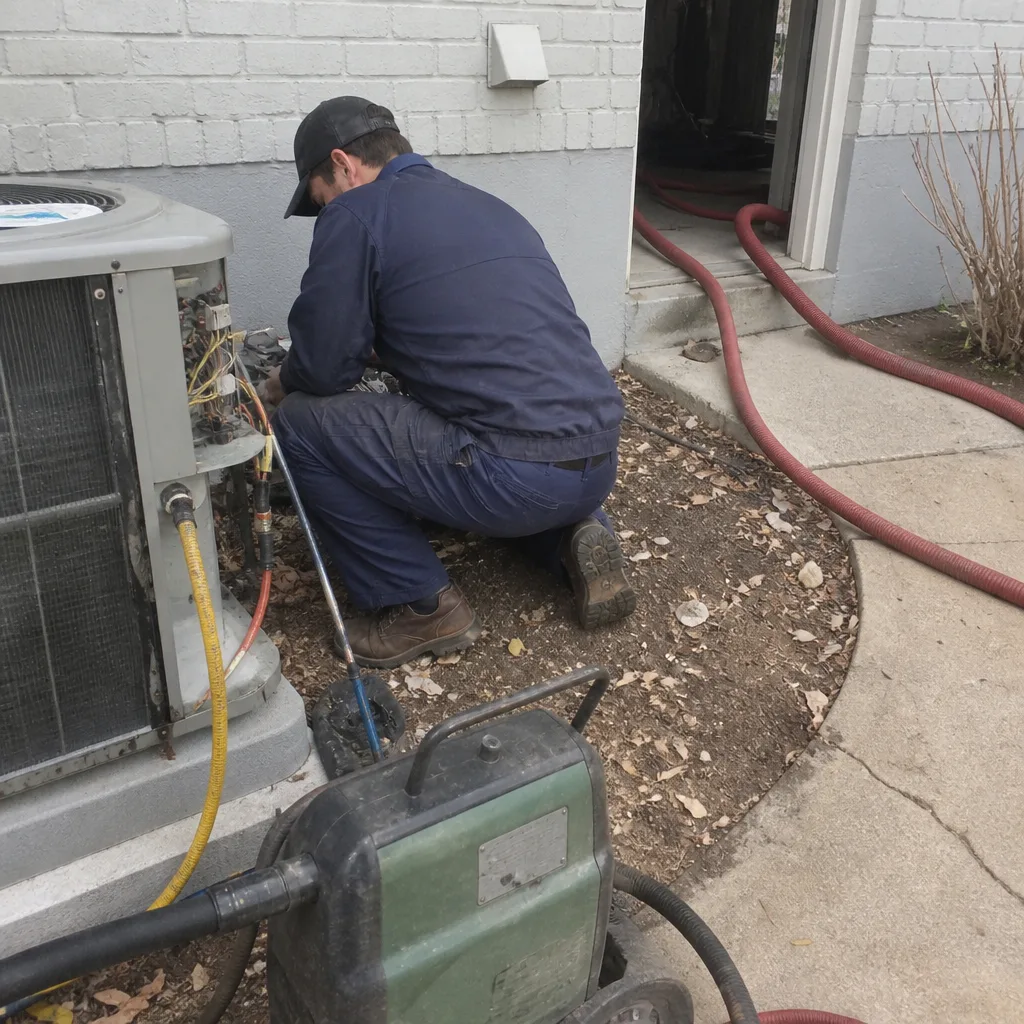
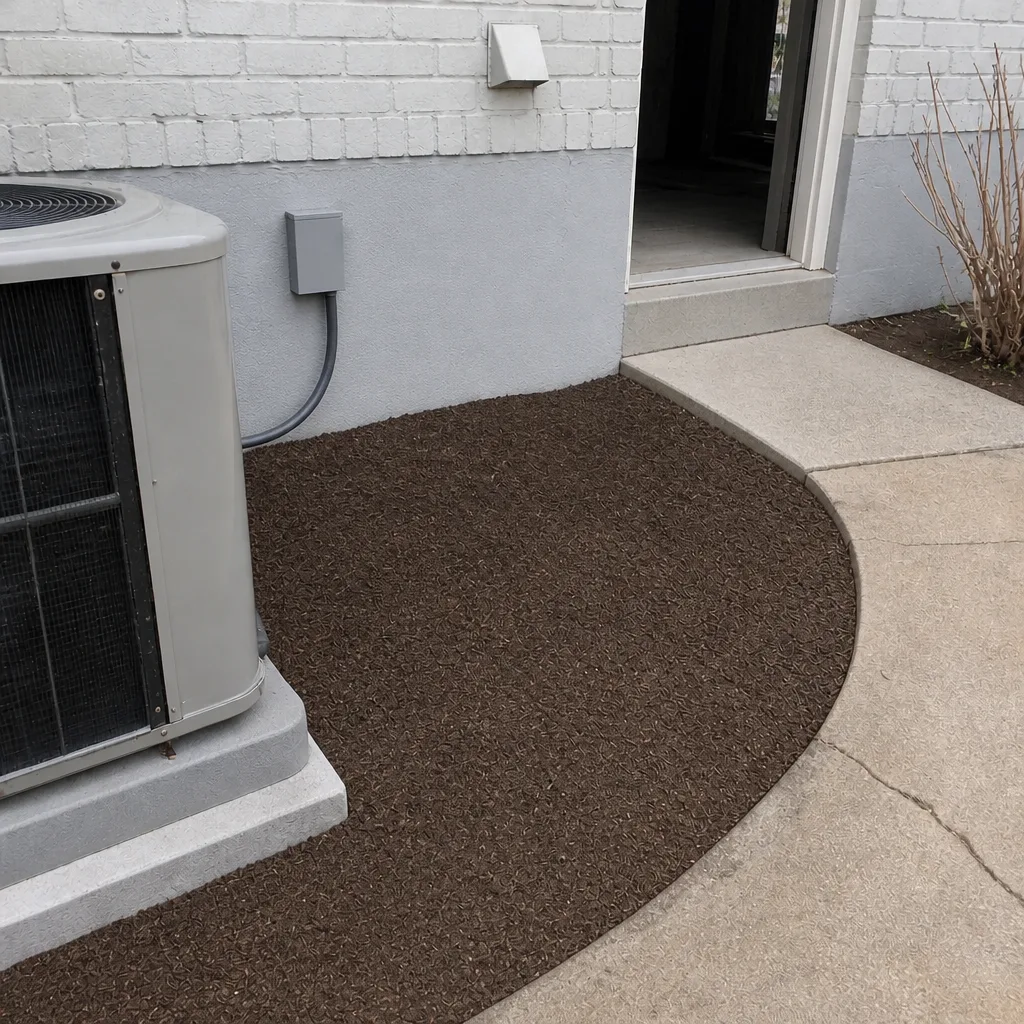
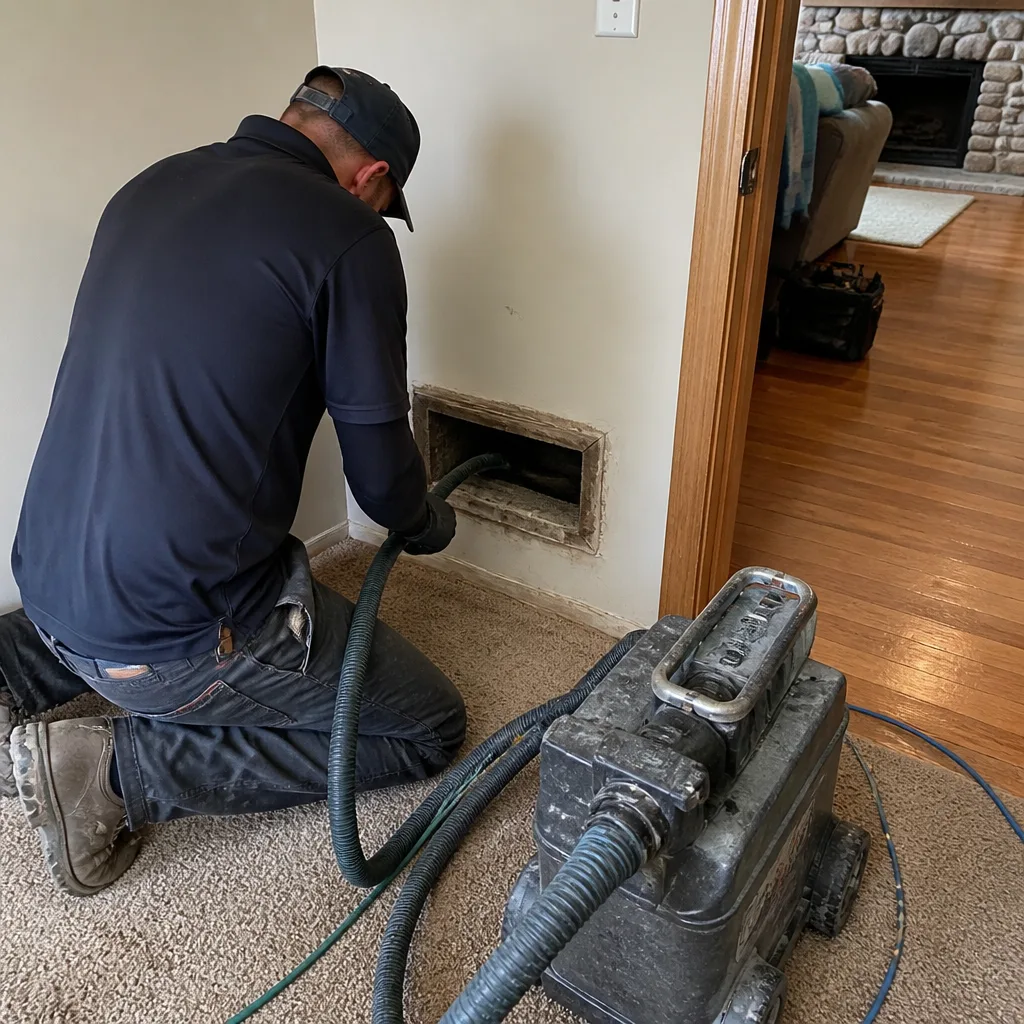
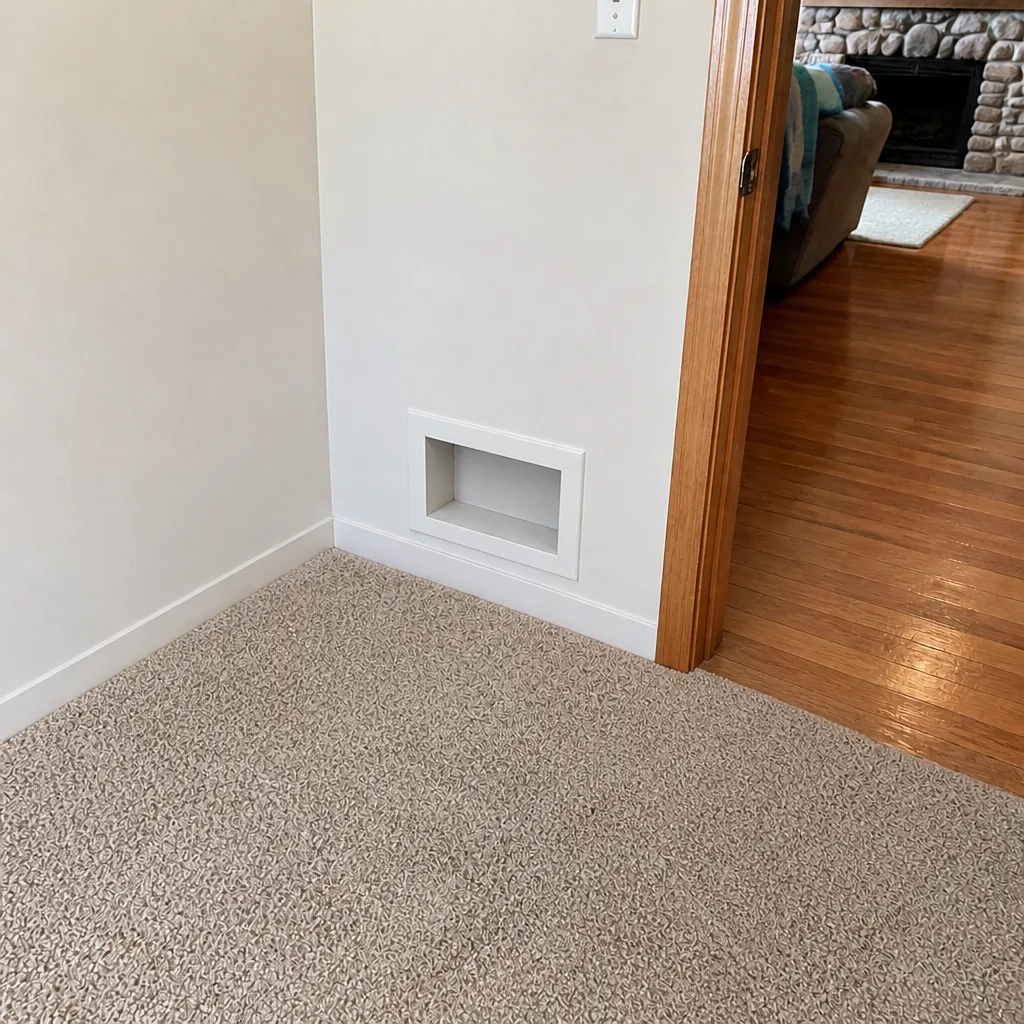
Whole-system duct and dryer vent check with before-and-after photos - you see exactly what came out of your vents
That "$99 whole-house special" is a bait ad - the real number appears once they are in your hallway, or the "clean" is a shop-vac at the register. We photograph the inside of your ducts before and after instead.
Air Duct Cleaning Maintenance Checklist for Cherry Creek Homeowners
A checklist that tells you to “inspect your ducts annually” is about as useful as a car manual that says “check engine periodically.” The genuinely useful version ties each task to something you can actually see: a filter that’s gone gray weeks early, a register that whistles when the furnace kicks on, a white cloth wiped across a return grille that comes back brown. Cherry Creek homes sit in a climate that swings from dry, windy spring days to summer wildfire smoke rolling off the Front Range, and contamination rates vary enormously with how many people and pets live under the roof. So we’ve built this guide the way we actually assess a house – by condition, not by calendar. You’ll learn what to check with a flashlight and a cloth, which filters fit Cherry Creek’s dust load, what to do after a smoke event, and the few jobs that truly need professional equipment.
Quick Answer
Inspect your ductwork and air handler every season using three observable triggers – filter loading, airflow strength at registers, and visible particulate on grilles and blower components – and schedule professional cleaning when two or more of those triggers show contamination. Cherry Creek homeowners typically need professional duct cleaning every two to four years, or sooner after heavy wildfire smoke, renovation dust, or adding pets to the household. Dryer vents should be cleared at least once a year regardless of what the ducts look like.
Styles & brands we work with
- Whole-home duct cleaning
- Dryer vent cleaning
- Camera inspection
- Sanitizing & deodorizing
Table of Contents
- The Ten-Minute Condition Check
- Choosing the Right Filter for Cherry Creek’s Dust Load
- Reading Supply Registers and Return Grilles
- The Post-Wildfire-Smoke Checklist
- How to Log Duct Condition Over Time
- What You Can Do Yourself vs. What Needs Professional Equipment
- The Dryer Vent: A Separate, Non-Negotiable Task
- A Seasonal Maintenance Schedule for Cherry Creek
The Ten-Minute Condition Check
You don’t need instruments to get a solid read on duct condition. A flashlight with a focused beam and a clean white cloth will tell you more than most homeowners expect. Run this check each season, before the heating or cooling system gets heavy use, and note what you find.
Start at the air handler cabinet – the metal box housing your furnace or air handler, usually in a utility closet, basement, or garage. With the system off and the power disconnected at the breaker, open the filter slot and look at the blower compartment with your flashlight. What you’re looking for is dust matted onto the blower wheel blades and a visible film on the cabinet interior. A light dusting is normal. A wheel that looks furred or cabinets with a thick coat point to a problem upstream.
Next, walk the house with the cloth and check these points:
- Return grilles: Wipe the interior face of each return. A gray-brown film is expected between cleanings; loose lint or matted dust means the return is pulling more than it should.
- Supply registers: Hold a tissue near the register with the system running. Strong steady deflection is good. Weak airflow or a flutter pattern suggests a restriction or a closed damper.
- Airflow at each vent: Compare registers room to room. One noticeably weaker vent often signals a disconnected or crushed duct run.
- Odor: A musty or dusty smell when the system first starts points to moisture or biological growth, and that’s a professional-level concern.
Write down what you see. A single check is interesting; a baseline you can compare against later is the point. We’ve found that homeowners who track these observations catch contamination early and rarely need a heavy cleaning.
Choosing the Right Filter for Cherry Creek’s Dust Load
The most common maintenance mistake we see in Cherry Creek has nothing to do with cleaning schedules – it’s filter selection. Many homeowners upgrade to the highest MERV rating they can find, assuming more filtration is always better. It isn’t. A filter rated too dense for your system’s airflow capacity creates static pressure the blower can’t overcome, which starves airflow through the ducts, causes the blower motor to work harder, and can actually accelerate the buildup of dust in the system because the air isn’t moving as it should.
MERV ratings are graded on a standard scale from 1 to 16. For most Cherry Creek homes using standard 1-inch filters, MERV 8 to MERV 11 is a practical middle ground. That range captures the coarse dust and pollen that drive most complaints while letting the blower breathe. If you have an Aprilaire whole-home media filter cabinet, the system is designed for a deeper 4- or 5-inch media pad, which can handle higher MERV ratings without the pressure penalty because of the increased surface area.
Match the filter to the house, not to the marketing:
- Standard occupancy, no pets: MERV 8, changed every 2 to 3 months.
- Pets in the home: MERV 11, changed every 1 to 2 months.
- Allergy-sensitive household members: MERV 11 to MERV 13 with a media cabinet, changed per manufacturer spec.
- Recently renovated or smoke-event: Change the filter promptly after the event and check again two weeks later.
Write the install date on the filter frame with a marker. That small habit is the whole system. We partner our inspections with Honeywell and Aprilaire familiarity because those systems behave differently – a technician who knows them knows when a filter is right for the equipment.
Reading Supply Registers and Return Grilles
Registers and grilles are your duct system’s windows. They show you what the air is carrying before it’s filtered and how much air is moving through each zone. Supply registers on the floor or in the wall push conditioned air into rooms; return grilles pull it back to the air handler, and they’re usually the dirtier of the two because they handle the whole house’s load.
Here’s how to read them, in order:
- Wipe, don’t guess. Wipe a clean white cloth diagonally across the inside face of the grille. Lay the cloth somewhere it stays put – the back of a register, a shelf in the return closet – so you can compare the next check.
- Listen. A whistle or whoosh at a register usually means restricted airflow. It could be a filter, a closed damper, or a duct that’s collapsed.
- Feel the temperature. Supply air should feel distinctly cool in cooling season and warm in heating season. If a vent blows room-temperature air, that run may be blocked.
- Look for streaks. Dark streaks radiating from register slats indicate air moving past an imperfect seal – a duct repair opportunity, not just a cleaning one.
In Cherry Creek, the older homes near the business district and the newer construction along the fringes handle these checks differently: older ductwork is more prone to loose joints, while newer, tighter HVAC systems sometimes run slightly higher static pressure and need filter discipline. A condition-based inspection tells you which situation you’re dealing with.
The Post-Wildfire-Smoke Checklist
Wildfire smoke events along the Front Range push fine particulate into homes even when the windows are shut. Ductwork and the filter are the first place smoke particulate accumulates, and a few hours of dense smoke can load a filter beyond what it normally sees in a month. What you do in the 48 hours after a heavy event matters more than a cleaning scheduled weeks later.
Work through this in order:
- Close everything. Windows, doors, fresh-air intakes on any ventilation system. Run the HVAC on fan-only or recirculation with the system filter in place.
- Replace the filter once the smoke lifts. A loaded filter becomes a secondary source of smoke odor if left in. Mark the new filter with the date.
- Wipe visible surfaces and grilles. A damp cloth on registers and return faces removes settled particulate before the next system cycle kicks it up.
- Check the filter again two weeks later. Smoke fine particulate can migrate through the system and re-load a filter faster than normal household dust would.
- Note any lingering odor. A persistent smoky smell in the ductwork after the outside air clears is a sign that professional cleaning or sanitizing is worth investigating.
Abatement Technologies air scrubbers and Guardsman-brand sanitizing treatments are part of the toolset a specialist brings to a smoke-affected home – they capture dislodged particulate at the source and reduce residual odor. If smoke events have been frequent, a professional inspection after the season makes more sense than a fixed schedule.
How to Log Duct Condition Over Time
Documentation is the part of maintenance nobody talks about, and it matters more than most homeowners realize. A simple paper log or a notes file works. What you want is a dated record of what you checked and what you found. This serves two practical purposes: it gives a repair professional real evidence to work from, and it gives you proof if you ever need to file an insurance claim after a smoke event or a water intrusion, or to support a pre-sale disclosure.
Keep the log simple and specific:
- Date and season for each inspection.
- Filter MERV rating and replacement date.
- What the white cloth showed at the worst return grille – light film, moderate, heavy, or linty.
- Any register with noticeably weaker airflow than the others.
- Odor observations when the system starts.
- Date and provider of any professional cleaning, sealing, or sanitizing work.
- Photos of filter condition and any visible grille buildup.
Cherry Creek real estate transactions often involve indoor air quality questions, and a maintenance log answers them plainly. A seller who can show a record of filter changes, inspections, and professional cleanings has a far stronger disclosure position than one relying on memory.
What You Can Do Yourself vs. What Needs Professional Equipment
A careful homeowner with a HEPA vacuum and a flashlight can handle the front half of the checklist – filter changes, grille wiping, airflow checks, and logging. The back half is a different job entirely. Residential ductwork is full of bends, transitions, and branches the vacuum hose won’t reach with any real agitation, and the fine particulate that settles on duct walls clings to the surface unless it’s mechanically broken loose first.
The tasks that genuinely require professional equipment:
- Duct interior cleaning. Purpose-built systems like the Rotobrush use mechanical agitation – a brush head on a rotating cable – to break dust loose from duct walls before vacuum extraction pulls it out. A shop vac doesn’t produce enough agitation or airflow to do this. Generalist HVAC companies often improvise with inadequate tools; the result is a duct that looks better at the grille and isn’t.
- Air handler cabinet and blower cleaning. The blower wheel and the coils behind it are beyond what most homeowners can safely or effectively reach.
- Duct repair and sealing. Sealing loose joints and sealing a collapsed run requires access to the duct structure and the right materials.
- Sanitizing. Guardsman-brand treatments applied correctly address biological growth, pet dander, and post-renovation debris, but they need the appropriate application technique and containment.
- Containment during cleaning. Abatement Technologies air scrubbers capture dislodged particulate in the air so it doesn’t redistribute through the house. That’s a layer of service a garage-shop vacuum setup can’t match.
In our experience, the most common failure point on do-it-yourself jobs is thinking the ducts are clean because the visible parts look clean. Clean ducts start at the source, and the source is the duct wall the flashlight doesn’t reach. That’s the difference between a maintenance checklist and a false sense of security.
The Dryer Vent: A Separate, Non-Negotiable Task
Your dryer vent is a fire risk waiting to be cleared, and it’s one of the most-skipped line items on a home maintenance list. Lint accumulates in the vent duct over time and the heat from the dryer ignites it. No amount of good duct maintenance protects against a clogged dryer vent, because the two systems are entirely separate – many homes have a dryer vent that routes through a wall, past an elbow, and out through a roof or side vent, and each of those transitions catches lint. Clear it at least once a year, and more often if you dry heavy loads every day or have a long vent run.
Signs it’s overdue:
- Clothes take longer than one cycle to dry.
- The dryer’s exterior gets hot to the touch.
- The vent flap outside barely opens, or lint is visibly clinging to it.
- You can’t feel strong airflow at the exterior vent with the dryer running.
Some duct cleaners quietly outsource dryer vent work or skip it entirely. We keep dryer vent cleaning on the service menu because it’s too important to leave to a separate contractor or a vague conversation. Book it alongside your duct cleaning when both are due and it’s one visit, not two.
A Seasonal Maintenance Schedule for Cherry Creek
Cherry Creek’s seasons create distinct HVAC patterns, so a yearly rhythm aligned to them takes less effort than trying to remember everything at once. Work from this four-season structure rather than an arbitrary annual mark on the calendar.
- Early spring (before cooling season): Full ten-minute condition check. Replace the filter. Note any register with weak airflow from the cooling season ahead. Inspect the return grilles for winter buildup.
- Late spring (approach to summer): After any heavy smoke event, work the post-wildfire checklist. Check filter again two weeks later. Schedule professional cleaning if two or more triggers from the inspection show contamination.
- Early fall (before heating season): Full condition check again. Replace the filter. Check the dryer vent before heavier winter laundry loads. Look at the air handler blower wheel with the system off.
- Late fall or winter: Replace filter as needed. Run the smoke checklist if winter air quality spikes. Log any odor observations.
Professional air duct cleaning slots into this schedule every two to four years, or in the season after a heavy smoke event, a major renovation, or a new pet. HVAC cleaning – the air handler, blower, and coil side – is often due on the same visit as duct cleaning, which is why we recommend pairing them.
Common Mistakes to Avoid
- Upgrading to the highest MERV rating “just to be safe.” An over-dense filter in a standard 1-inch cabinet strangles airflow and creates the pressure problems that speed up duct contamination. Match MERV to equipment, not to the loudest packaging.
- Skipping the dryer vent because “the ducts got cleaned.” The two systems don’t share anything. A dry duct system and a lint-clogged dryer vent are perfectly compatible, and the dryer vent is the fire risk.
- Assuming visible grille cleanliness means clean ducts. Grilles are the easiest parts to wipe and the least indicative of the duct wall condition. Look at the air handler side.
- Running the HVAC or dropping the filter after a smoke event without checking twice. Fine particulate re-loads a new filter more quickly than household dust, and often goes unnoticed for weeks.
- Renovating a Cherry Creek home and running the HVAC without closing off returns. Drywall dust goes straight into the system. Seal the returns, use a shop HEPA unit, and clean the ducts after the job is done – not during it.
- Changing the filter without writing the install date on it. Without a date, the filter becomes “probably fine” at week twelve. Write it with a marker.
- Choosing a company that quotes a per-vent price. Per-vent pricing often starts low and grows with the number of vents once the technician is on site. Ask for a flat price per system agreed before work begins, and ask for before-and-after photos of your own ducts.
See the difference
 Before
 After
 Before
 After
 Before
 After
When to Call a Professional
Bring in a professional when two or more of the condition triggers show contamination – a matted filter, visible blower dust, a heavy return grille, weak airflow at multiple registers, or a musty odor on startup. Call if the dryer vent is overdue by more than a year, if you’ve had a heavy smoke event, if renovations have produced a lot of dust, or if you’re in a Cherry Creek home with ducts you’ve never had inspected. The other case is diligence: if you’ve been quoted per-vent pricing and want a flat price per system with before-and-after photos, that’s a conversation worth having. Air Duct Cleaning Cherry Creek offers free estimates in Cherry Creek – call (844) 443-3752. We use Rotobrush and Nikro systems and Abatement Technologies air filtration, and we walk you through what we find, not just what we’re selling.
Frequently Asked Questions
Estimates vary with system size and condition, but plan on a whole-system estimate rather than a per-vent price, and treat that estimate as the starting point for the written quote. Cherry Creek homes with a single furnace and standard square footage typically fall in the middle of the range; larger homes with zoned systems, multiple returns, or heavy contamination from smoke or renovation sit higher. The written estimate sets the final price, and we give it in writing before any work starts. Call (844) 443-3752 for a free estimate.
For most Cherry Creek homes, every two to four years, but the trigger is condition rather than the calendar. A home with pets, allergy-sensitive residents, cigarette smoke, or a recent renovation may need it sooner, and a home with none of those and clean filters at every check can go longer. The ten-minute condition check tells you where you stand. Call (844) 443-3752 and we’ll talk through what your check found.
Cheap quotes often come from companies that price per vent, skimp on agitation, or use shop vacuums rather than purpose-built duct systems. The result is a duct that looks better at the grille but isn’t actually cleaned, and sometimes a “coupon price” that grows once the technician is on site. We quote one flat price per system agreed before work starts, show before-and-after photos of your own ducts, and use Rotobrush mechanical agitation so the duct wall is actually addressed. Call (844) 443-3752 for an honest whole-system quote.
Ask for before-and-after photos of your own ductwork, not generic stock images. A technician can produce them at the air handler and at multiple registers on request. We provide them as a matter of course, and we’re happy to walk you through what each image shows. Call (844) 443-3752 to arrange a free estimate.
Not automatically. A MERV 11 filter in a standard 1-inch cabinet is a better fit for most pet households because it catches dander without over-restricting airflow. MERV 13 in a standard cabinet can choke the blower and raise static pressure; it’s a better fit for a deep media cabinet like an Aprilaire system designed for the load. Match the rating to the equipment. Call (844) 443-3752 and we can help you figure out what your system will handle.
Close the windows and doors, run the HVAC fan with the filter in place, and replace the filter once the outside air clears. Wipe down registers and return faces with a damp cloth, then check the filter again two weeks later. If the ductwork still smells smoky after the outside air clears, that’s the signal to bring a professional in for inspection and possible sanitizing. Call (844) 443-3752 to schedule.
The Bottom Line
A duct maintenance checklist works only if it’s tied to things you can observe. Filter condition, airflow at registers, visible dust at grilles and the air handler, and odor on startup give you a reliable read every season without guesswork. Match your filter to your equipment, keep a dated log, take the dryer vent seriously as a fire-risk item, run the smoke checklist after a heavy event, and schedule professional cleaning when the condition triggers say it’s time – not because a calendar told you so. Do those things and you’ll have clean ducts, documented evidence, and a system that runs the way it should. We’ve built our whole approach around purpose-built equipment – Rotobrush and Nikro systems, Abatement Technologies air filtration – because the difference between a checklist and a false sense of security is whether the job was done with the right tools.
Call (844) 443-3752 for a free estimate. We answer 24/7. Fast dispatch from 7am to 7pm, Sunday through Friday.
Explore our full range of services at Air Duct Cleaning Cherry Creek.
Written by the team at Air Duct Cleaning Cherry Creek.