
Last updated November 23, 2026
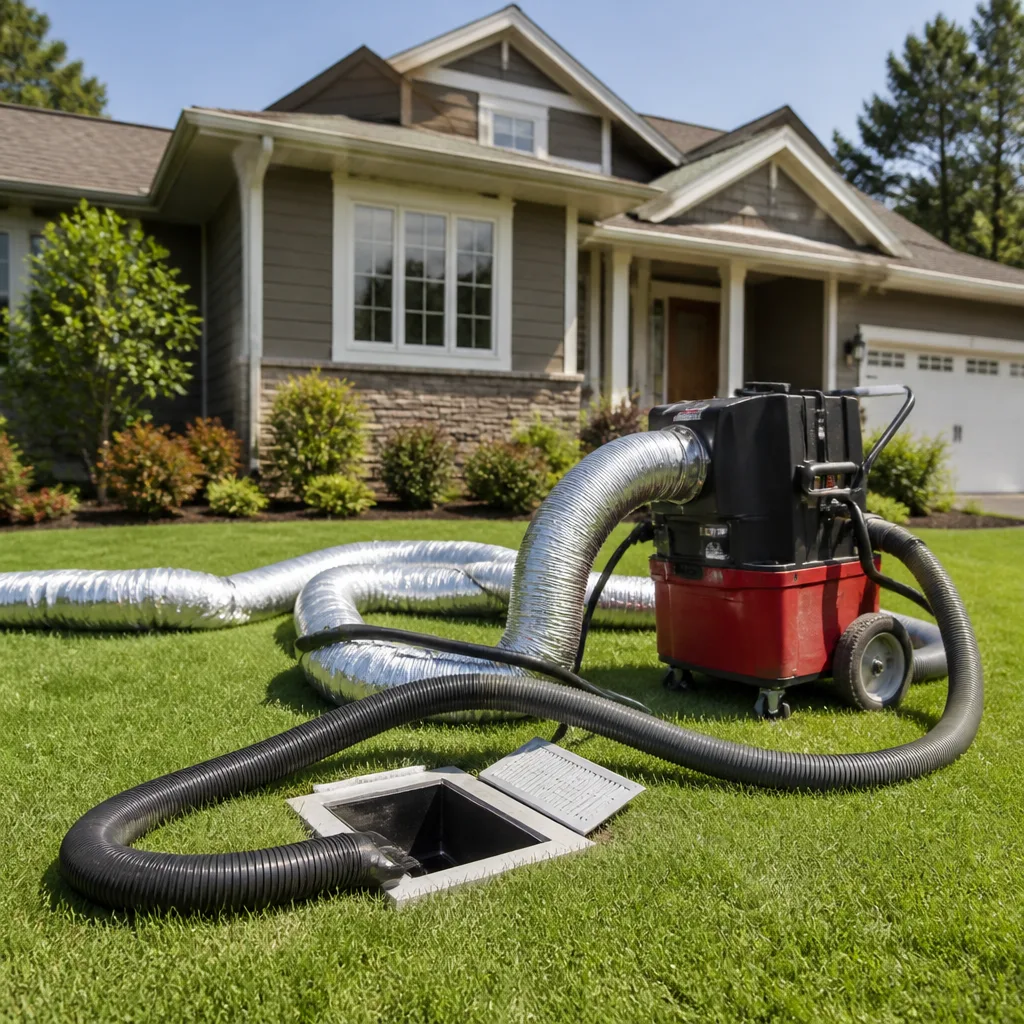 Whole-home duct cleaning
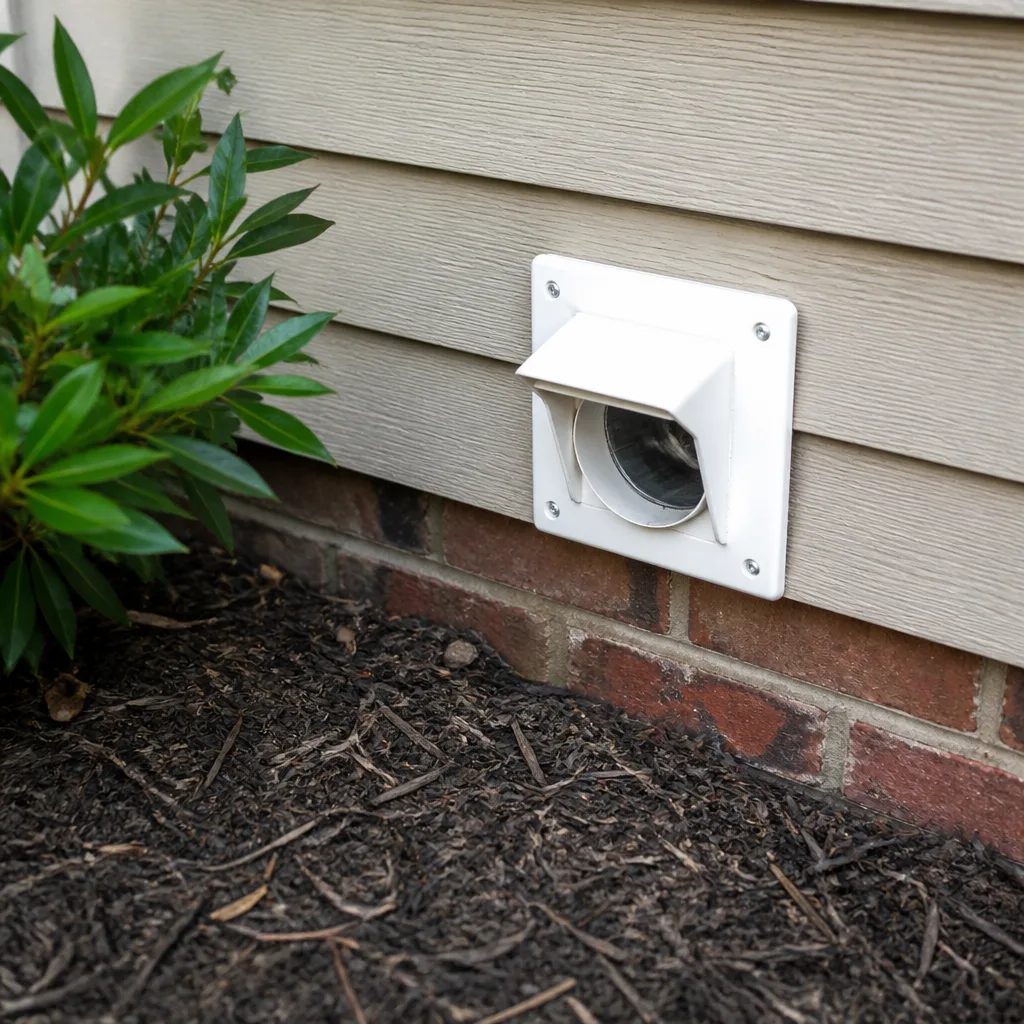 Dryer vent cleaning
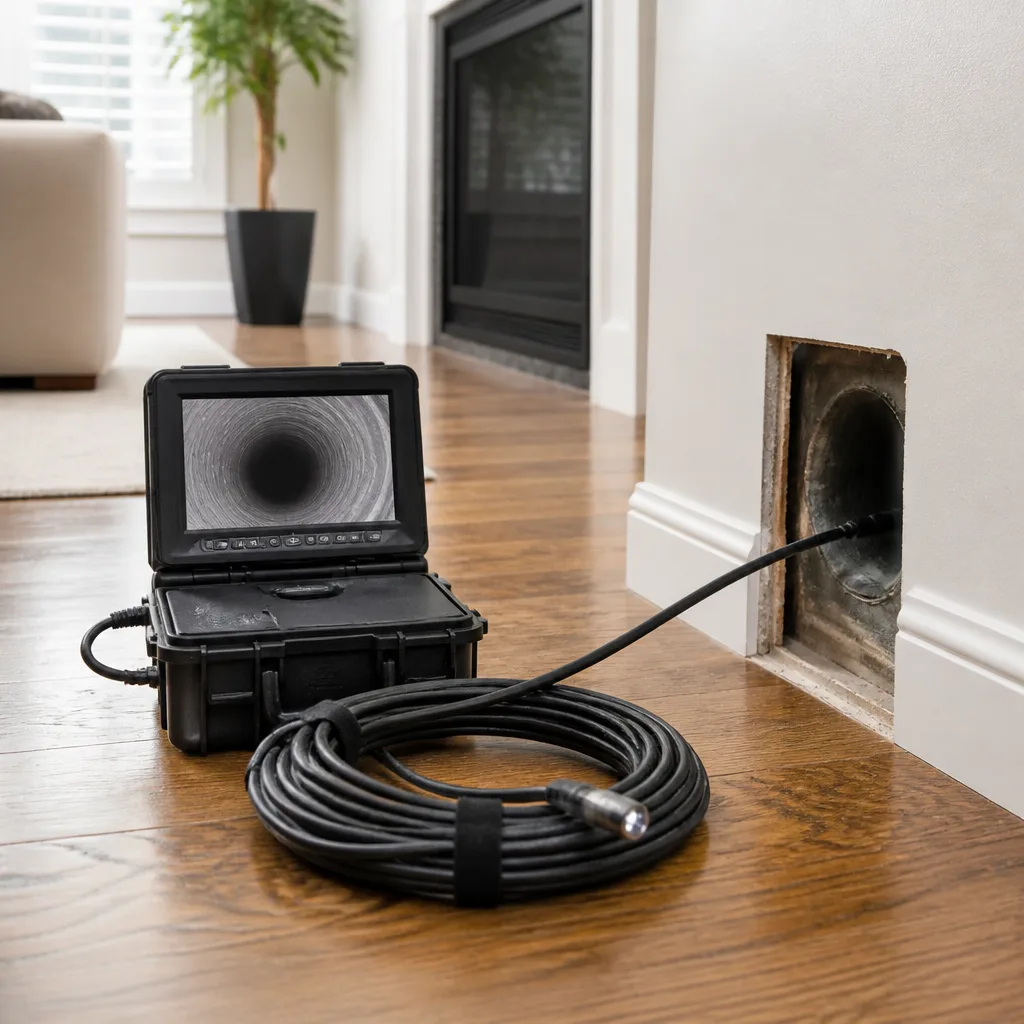 Camera inspection
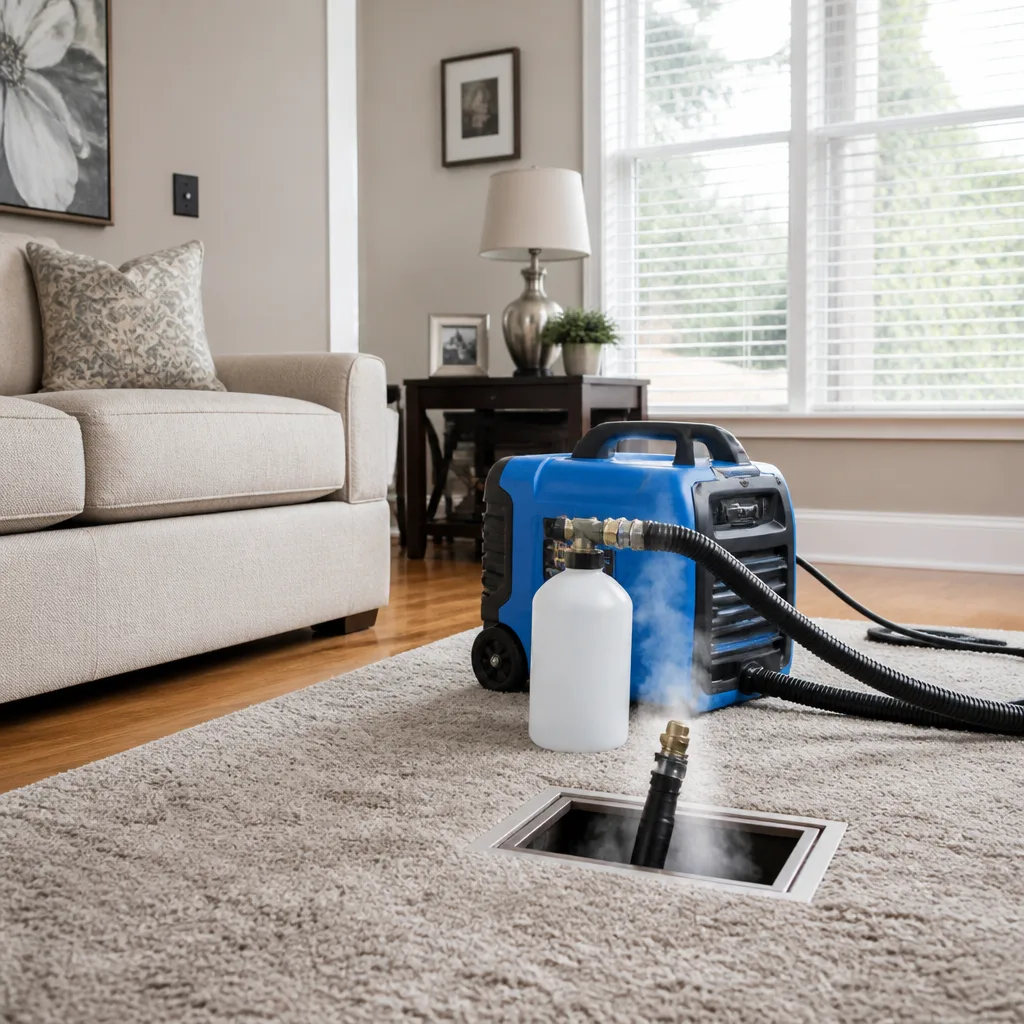 Sanitizing & deodorizing
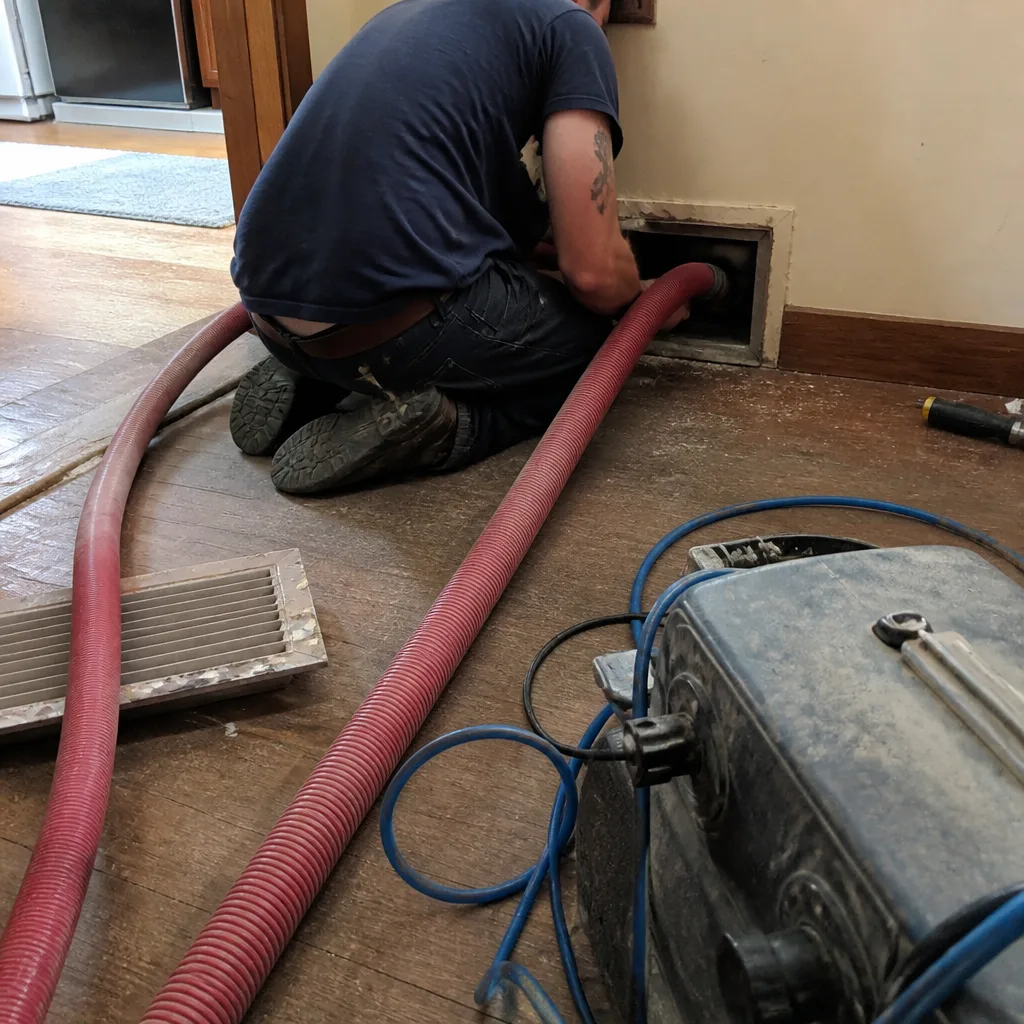
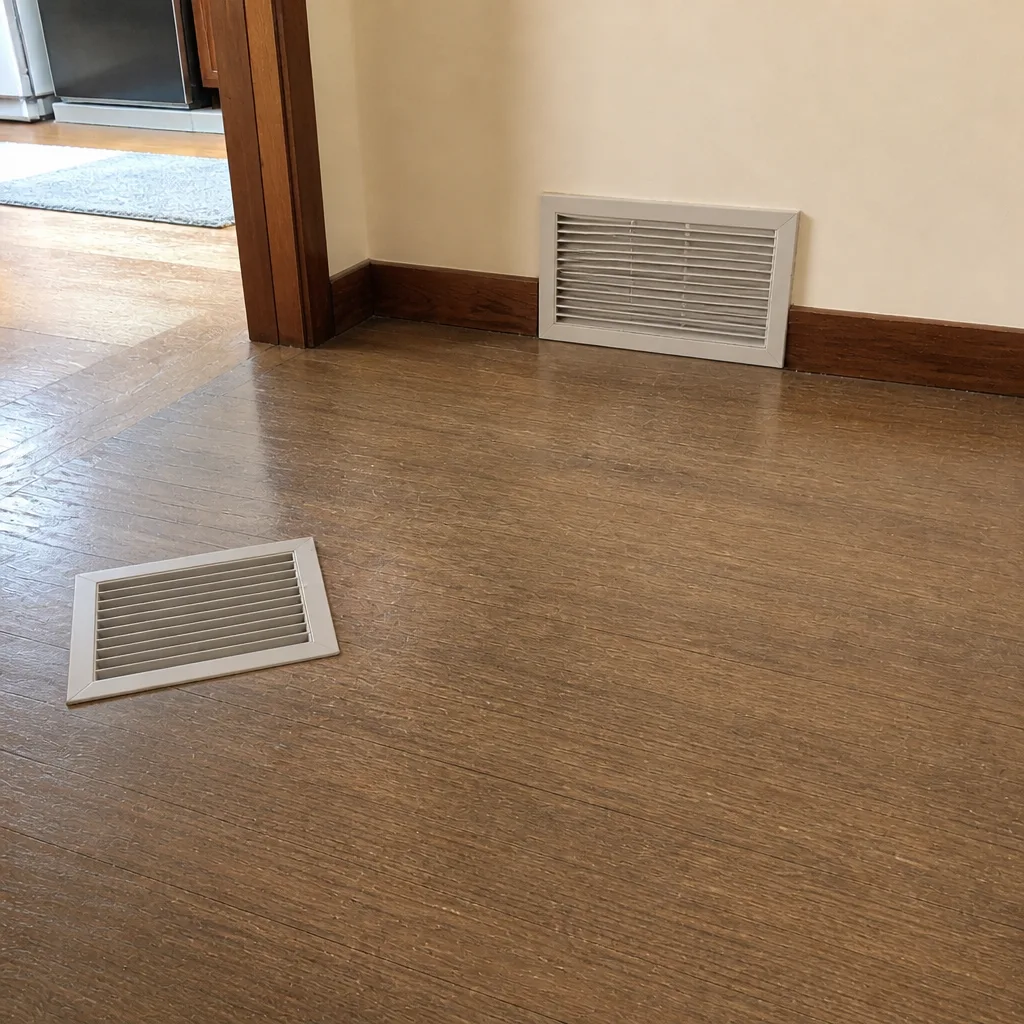
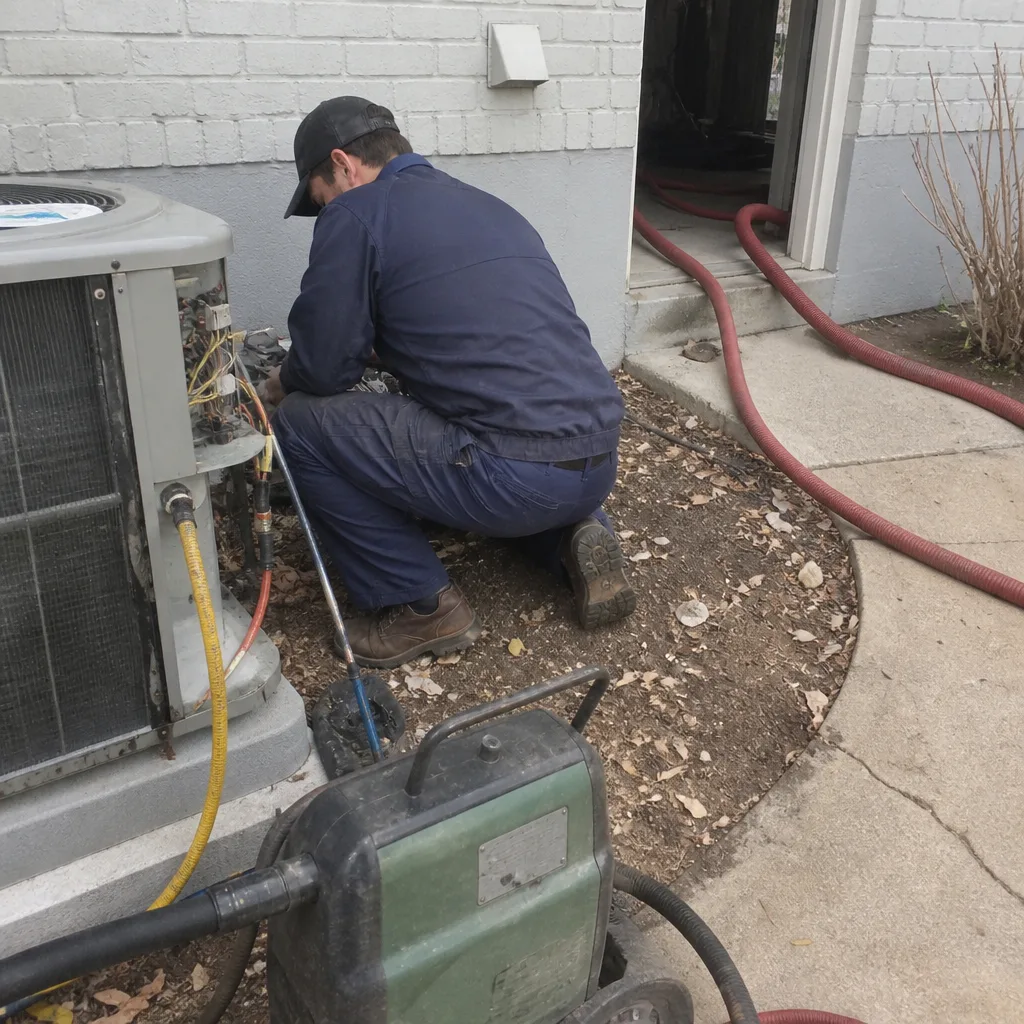
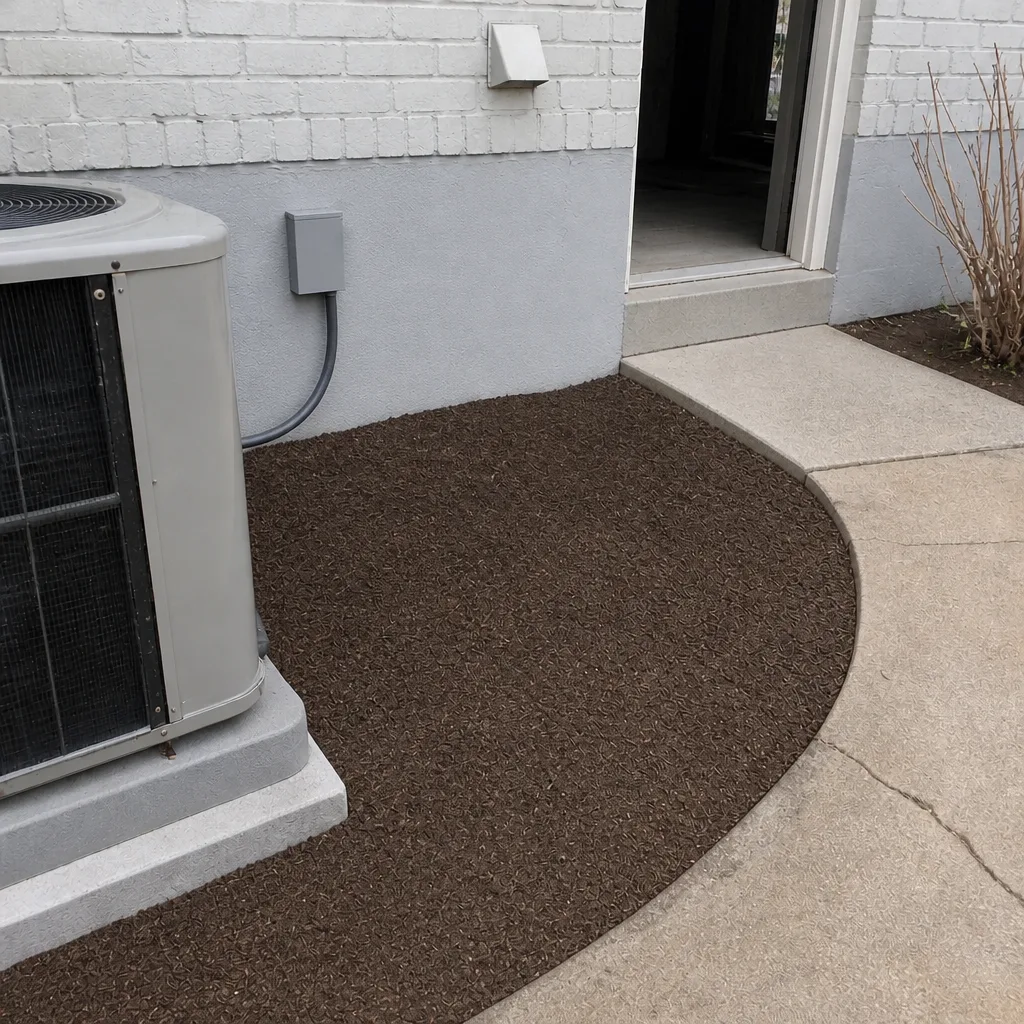
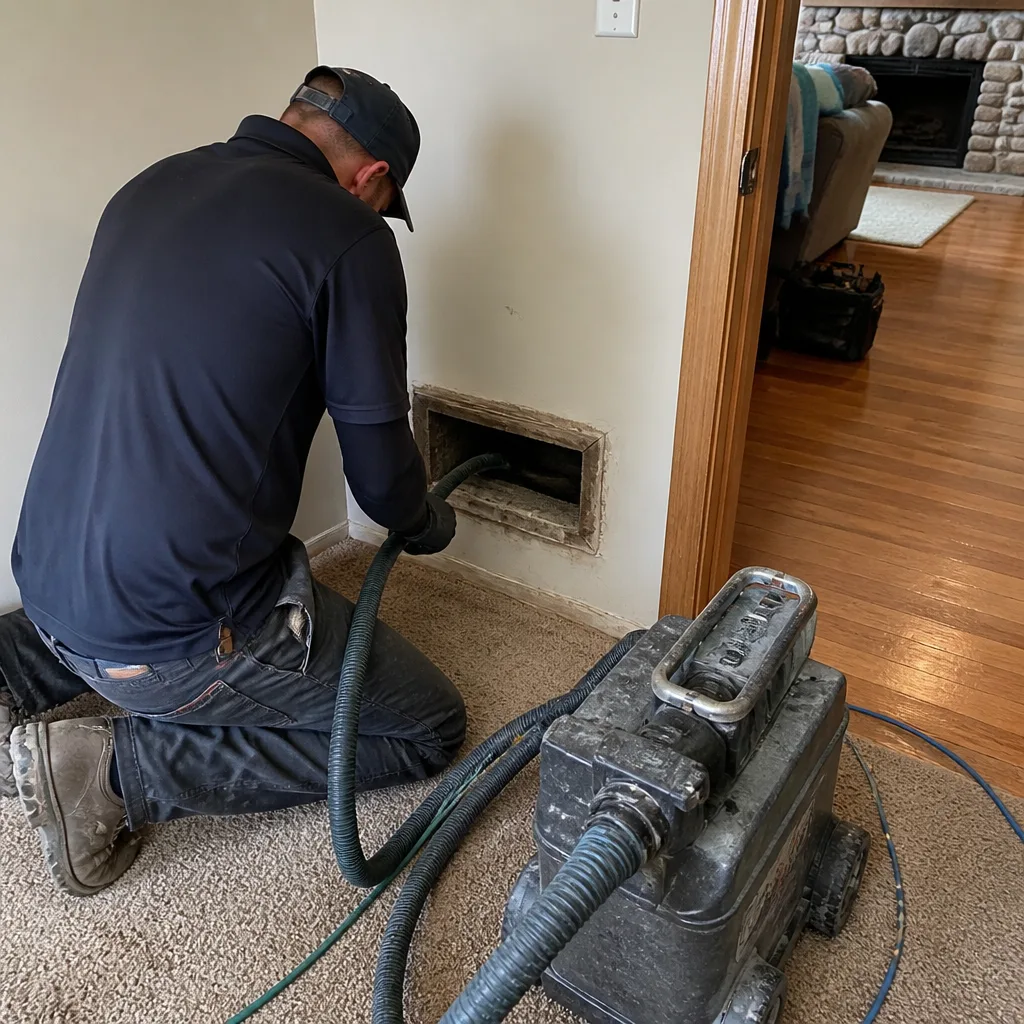
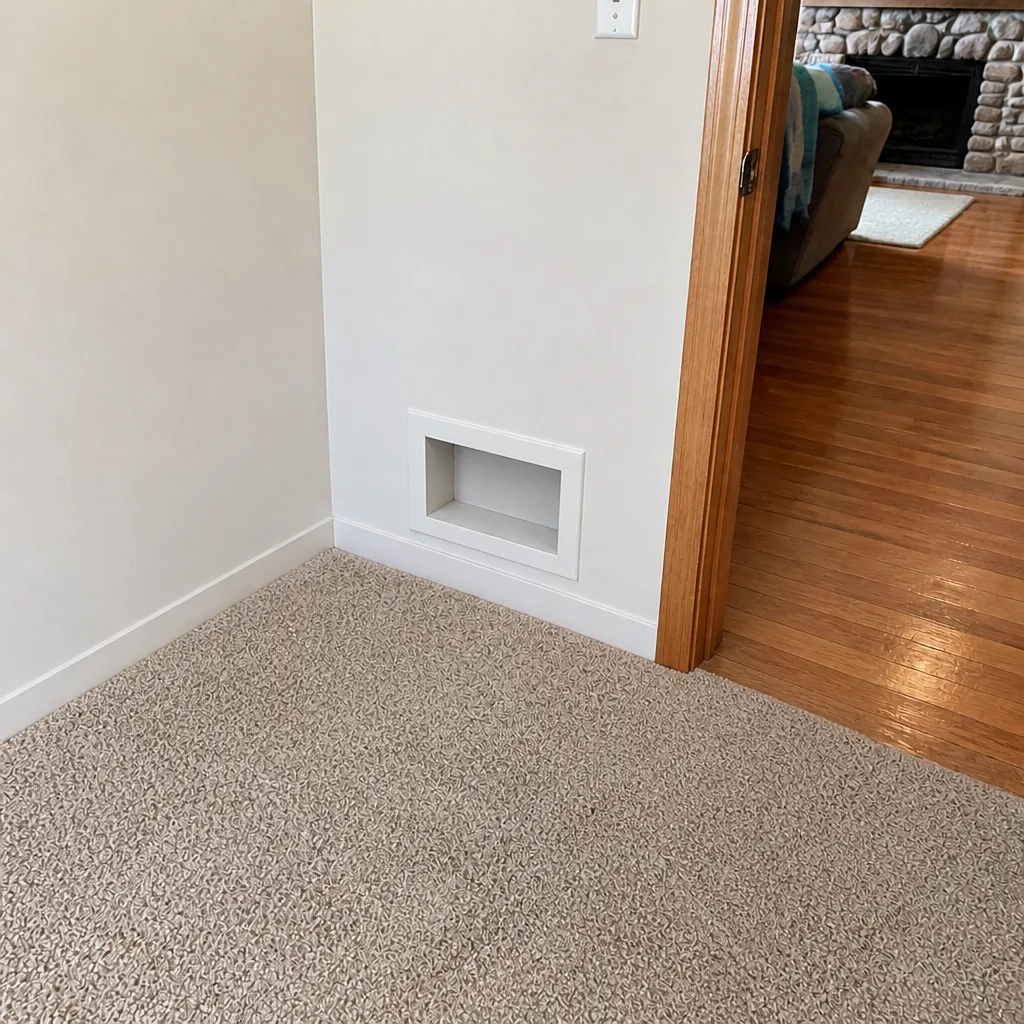
Whole-system duct and dryer vent check with before-and-after photos - you see exactly what came out of your vents
That "$99 whole-house special" is a bait ad - the real number appears once they are in your hallway, or the "clean" is a shop-vac at the register. We photograph the inside of your ducts before and after instead.
Air Duct Cleaning Permits, Codes & Inspections in Cherry Creek, CO: What You Need to Know
No permit is required to clean your ducts. That’s the part nobody argues about. The trouble starts when a job quietly crosses the line: a technician cuts a new access panel, brushes through old vermiculite insulation, or finds mold and starts treating it on the spot. Now you’re in territory that Denver and Colorado building codes regulate, and that your homeowner’s insurance may care about if there’s ever a claim. Most homeowners never learn where that line sits until they’re already past it. This guide draws the boundary clearly: what’s routine cleaning, what’s modification, what needs a licensed remediator, and what documentation to keep afterward. If you own or manage property in Cherry Creek, it’s worth reading before anyone touches your system.
Quick Answer
Routine air duct cleaning in Cherry Creek, CO does not require a permit under Denver’s mechanical code. A permit generally becomes necessary once the work involves duct modification, such as cutting new access openings, changing duct routing, or altering structural framing around ductwork. Separately, mold remediation in Colorado should be handled by a properly credentialed remediator, and any cleaning job that disturbs suspect asbestos-containing material in older HVAC insulation must stop pending testing under Colorado Department of Public Health and Environment (CDPHE) rules. Cleaning, sealing, and sanitizing are not the same as modifying or remediating, and knowing which category your job falls into is the whole game.
Table of Contents
- Where cleaning ends and modification begins
- What Denver and Colorado mechanical codes actually cover
- Asbestos in older HVAC insulation: when the job must stop
- Mold in your ducts and Colorado’s remediation licensing rules
- How to verify a contractor before work begins
- What documentation to keep after duct work
- What a proper inspection looks like
- Common mistakes to avoid
- When to call a professional
Where Cleaning Ends and Modification Begins
The practical dividing line is easy to describe and easy to miss. Cleaning removes contamination from a system that keeps its existing shape. Modification changes the shape of the system: new access panels cut into rigid ductwork, branch runs added or removed, transitions rebuilt, or ductwork drilled and refastened to structural members. The first is a maintenance task. The second is regulated construction work, and in most jurisdictions it needs a mechanical permit and an inspection.
Why does this matter for a Cherry Creek homeowner? Because the cheapest duct cleaning quote online sometimes includes “we’ll just cut in a couple of access points” as a bonus. That sounds like thoroughness. It’s actually the moment your job stops being cleaning. If a contractor is opening new panels in a finished ceiling or cutting into rigid sheet metal, ask who is pulling the permit and who will stand behind the inspection. A company that can’t answer that plainly is telling you something.
In our experience, the vast majority of residential jobs in Cherry Creek, including the older homes near the Cherry Creek North shopping district and the mid-century stock along Colorado Boulevard, never cross into permit territory. Ducts are already accessed through registers, return grilles, and existing service panels. That’s the correct way to clean a residential system, and it’s what purpose-built equipment like a Rotobrush or Nikro system is designed for.
Here’s a simple test:
- Does the work remove dirt, debris, or contamination from the existing ductwork? That’s cleaning. No permit.
- Does the work add, remove, reroute, or resize any part of the duct system? That’s modification. Assume a permit is required until your city’s building department says otherwise.
- Does the work involve treating biological growth or disturbing suspect insulation? That’s remediation or abatement. A different set of credentials and testing applies, and often a permit or agency notification too.
If the answer to question two or three is yes, slow down. A written scope from the contractor should state exactly what’s being changed and who’s responsible for approvals.
What Denver and Colorado Mechanical Codes Actually Cover
Duct cleaning itself isn’t called out in the Denver mechanical code as a permitted activity. What the code does cover is the design, installation, alteration, and repair of mechanical systems, including ductwork. The word to watch for is “alteration.” That term is where cleaning quietly turns into something the code inspector wants to see. If a contractor is altering ductwork, cutting into a fire-rated assembly, or changing airflow in a way that affects system performance and safety, the code applies.
For a Cherry Creek homeowner, the practical rules are:
- Cleaning: no permit. The work should still follow a documented process and produce before-and-after documentation.
- Sealing: no permit in most cases when it’s mastic or tape on existing joints and seams. Cutting and reconstructing duct runs is different.
- Modification: a mechanical permit is typically required. The work should be inspected before it’s enclosed behind drywall or ceiling.
- Fire-rated duct assemblies: any penetration or alteration should be reviewed carefully. Fire-rated ductwork is not a DIY zone.
One local wrinkle worth knowing about: high-altitude airflow. Denver’s thinner air changes how residential systems are sized and balanced, and duct modifications that work fine at sea level can behave differently here. When a contractor proposes changing the duct layout, ask them to account for the altitude in their design and to note it on the permit documents. That’s a level of care you don’t always see, and it’s part of why air duct cleaning should be a documented, thoughtful process rather than a quick sweep.
The bottom line on code: cleaning is maintenance. Modification is construction. Treat them as the two different things they are, and you’ll avoid almost every regulatory problem we’ve seen homeowners walk into.
Asbestos in Older HVAC Insulation: When the Job Must Stop
This is the section most homeowners never get told about, and it’s the one that matters most for older Cherry Creek homes. Some duct systems built or sealed before the 1980s used materials that can contain asbestos: certain insulation wraps, joint tapes, and especially vermiculite-containing insulation in attic and crawl space duct runs. If a cleaning technician disturbs any of that without knowing what it is, the job has moved from maintenance into abatement territory, and Colorado’s asbestos rules apply.
The Colorado Department of Public Health and Environment regulates asbestos-containing materials. Under those rules, the contractor must stop work if suspect material is discovered, and testing (often by an accredited laboratory) determines whether abatement is required. Abatement itself is regulated work with specific handling and disposal requirements. This is not a judgment call a cleaning crew makes on the fly.
What that means for you:
- Ask before the work starts. If your home was built before the 1980s and the ducts run through an attic or crawl space, ask the contractor how they handle suspect insulation.
- Stop-in-place. If a technician finds crumbling or fibrous insulation around the ductwork, the correct move is to stop, isolate the area, and arrange testing. Not to vacuum aggressively and hope.
- Document the discovery. Ask for photos and a written note from the contractor describing what was found and where.
- Get testing from a credentialed lab. If asbestos is confirmed, the abatement has to be done by a properly licensed contractor before cleaning resumes.
A word of reassurance: we find routine contamination far more often than suspect insulation. But you should hear about the possibility before the brush goes in, not after. A contractor that brushes off the question is telling you how they’ll handle it.
Mold in Your Ducts and Colorado’s Remediation Licensing Rules
Mold found inside a duct system is a common discovery, especially after a slow leak, a condensate pan problem, or a long period of high indoor humidity. Here’s the uncomfortable part: a duct cleaning company that finds mold is not automatically licensed to remediate it. Colorado’s rules around mold remediation center on proper credentialing (typically certification through an industry body such as IICRC’s remediation certification program), and the remediation scope often needs documented containment, air scrubbing, and post-remediation verification. Not all duct cleaners carry that credential, and not all should be the ones doing the remediation.
The distinction is real. Cleaning removes settled contamination. Remediation addresses active biological growth and requires a process that prevents cross-contamination. In our experience, the right way to think about it is: cleaning prepares the system, remediation resolves the problem. If a contractor proposes to “just sanitize it” without a remediation plan, ask them what happens if the growth recurs.
There’s a legitimate role for sanitizing, especially after remediation or post-renovation debris. Treatments like Guardsman are designed for households with mold concerns, pet dander, or renovation dust. That’s a sanitizing step, not a remediation substitute. The two belong in the same conversation but not in the same sentence.
What containment looks like on a real job
When mold or fine debris is present, a serious duct cleaner sets up negative-pressure containment before doing anything else. That’s where equipment like Abatement Technologies air scrubbers comes in: it captures dislodged particulates during service rather than letting them redistribute through the home. Homeowners notice the difference. If your contractor shows up without containment equipment on a mold-implicated job, ask them how they’re keeping the rest of your house clean. It’s a fair question.
How to Verify a Contractor Before Work Begins
Colorado makes verification of a business straightforward if you know where to look. Every legitimate business operating in the state has a business registration through the Colorado Secretary of State. That’s your starting point. It confirms the entity exists and who’s responsible for it. From there, the questions get more job-specific.
Run this checklist before anyone opens a duct:
- Business registration. Search the company name on the Colorado Secretary of State website. Confirm the legal name and status.
- Insurance. Ask for a certificate of insurance showing general liability coverage. Get the certificate before work begins, not after.
- Specialty credentials. For asbestos abatement or mold remediation work, ask for the relevant certification and a reference to a completion or verification report from a prior job.
- Equipment list. Ask what equipment will be used. Purpose-built systems like Rotobrush or Nikro are the standard; shop vacuums are a red flag.
- Process documentation. Ask whether the job includes before-and-after photos of your own ducts and a written scope.
- Written estimate. The price should be set per job by the written estimate. If the first number you see is a per-vent price or a coupon, keep asking questions.
This is one of the reasons Air Duct Cleaning Cherry Creek works the way it does. Our technicians have up to 9 years of experience, and the full indoor-air-quality scope (cleaning, sealing, sanitizing, dryer vent work) sits with one company so there’s no handoff between contractors. That matters when a job turns out to need more than cleaning. Our familiarity with Honeywell and Aprilaire filtration systems also means we understand how the ducts and the air handling equipment work together, which is often where the real problem lives.
What Documentation to Keep After Duct Work
Here’s an underappreciated point: the paperwork you keep after a duct cleaning job has real value when you sell a home in Cherry Creek, file an insurance claim, or hand off a property to a new tenant. Colorado real estate transactions include a seller’s property disclosure, and buyers who ask about HVAC history will want to see that you’ve maintained the system. “I had it cleaned a few years ago” doesn’t hold up. A dated invoice with a scope does.
Keep this file:
- The written estimate and final invoice, dated, with the scope of work described in plain language.
- Before-and-after photos of your own ducts, not stock images.
- Any contractor notes about discovered conditions (suspect insulation, mold, damaged duct sections).
- Copies of permits and inspection sign-offs if any modification work was done.
- Testing or abatement reports if asbestos was found and handled.
- Remediation verification reports if mold work was done.
- Manufacturer documentation for any filtration or sanitizing products used, like Honeywell or Aprilaire equipment.
This file should live with your home documents. A decade later, when you’re negotiating a sale, it will be the difference between “maintained” and “unknown.” Property managers in Cherry Creek will tell you the same thing: tenants ask about air quality, and documentation answers the question with something better than reassurance.
What a Proper Inspection Looks Like
You can’t inspect what you haven’t seen, and you can’t sell what you can’t document. A proper duct inspection is methodical. It looks at the system as a whole, from the return grilles through the main trunk lines to the supply registers, and it produces a record. Visual inspection through registers and access panels covers most of it. Fiber-optic or camera inspection is useful for the parts you can’t see directly. Both are appropriate in residential work; neither requires a permit when done through existing openings.
What to expect from a legitimate inspection:
- The technician opens and photographs the condition at each accessible point.
- Any visible moisture, damaged flex duct, disconnected joints, or suspect insulation is documented.
- The air handler, coil, and blower compartment are checked, because that’s where a lot of the contamination actually lives. See HVAC cleaning for how this fits into the full system.
- You get a written summary, not a verbal one, and preferably with photos.
One Cherry Creek-specific note: our dry climate hides moisture problems that would be obvious elsewhere. A duct that feels dry to the touch can still have a slow condensate leak feeding growth inside the air handler. Inspections here need to look for evidence of past moisture, not just current wetness. That’s a nuance a lot of generalist HVAC companies miss.
An important safety caveat: if any inspection reveals a problem inside a gas furnace, an electrical panel, or a fire-rated duct assembly, that part of the conversation belongs with a licensed specialist in that trade. We don’t step into electrical or gas work, and no reputable duct cleaner should.
Common Mistakes to Avoid
- Assuming “no permit needed” covers everything. It covers cleaning. It does not cover cutting new access panels, rerouting duct runs, or drilling into structural members to secure ductwork. The minute a job moves into modification, the plumbing changes, and the homeowner is the one left holding the risk.
- Letting a technician power through suspect insulation. If the ducts run through attic or crawl space insulation in an older Cherry Creek home and the technician doesn’t stop to identify it, that’s a problem. CDPHE rules require suspect asbestos-containing materials to be handled under abatement protocols, not brushed through and vacuumed.
- Believing a duct cleaner is a mold remediator. Finding mold and treating it properly are two different services with different credentials. Ask which one is being offered and who holds the certification for it.
- Accepting a per-vent price or a coupon headline. Per-vent pricing turns every surprise into an add-on. One flat price per system, agreed in advance, is the honest structure. That’s how we quote work in Cherry Creek.
- Skipping the business registration check. It takes two minutes on the Colorado Secretary of State site. It has saved homeowners from a lot of trouble.
- Filing nothing after the job. No photos, no dated invoice, no written scope. When the house is listed for sale and the buyer asks about HVAC history, an undocumented job is worth nothing.
- Using a shop vacuum. Real duct cleaning uses purpose-built equipment that agitates and extracts. A shop vac stirs debris into the air and re-deposits it. Ask what equipment is coming to the house.
When to Call a Professional
Call a professional when you notice symptoms that suggest something inside the system has changed: a musty smell that shows up when the heat or AC first runs, visible dust streaming from registers, allergy symptoms that ease when you’re away from home, or noticeably reduced airflow between rooms. Call immediately if you see moisture, staining, or damaged ducting, and never attempt to vacuum, scrub, or treat suspect insulation yourself. If a technician finds mold or suspect asbestos mid-job, the correct next step is documented testing by a credentialed specialist, not more cleaning. Routine jobs, scheduled cleanings, and dryer vent work don’t need to wait for a problem; the best time is before symptoms start. Air Duct Cleaning Cherry Creek offers free estimates in Cherry Creek, and we’d rather tell you the job isn’t needed yet than sell you one that isn’t. Call (844) 443-3752 for an honest assessment.
Frequently Asked Questions
In most cases, no. Routine duct cleaning through existing registers and access panels doesn’t require a permit under Denver’s mechanical code. A permit typically becomes necessary once the work crosses into duct modification, such as cutting new access panels, rerouting duct runs, or altering fire-rated assemblies. Call (844) 443-3752 for a free estimate, and we’ll tell you plainly which category your job falls into.
The job should stop, and testing should be arranged. Colorado’s asbestos rules, administered by CDPHE, require suspect asbestos-containing materials to be identified and handled under abatement protocols before duct work continues. Any additional cleaning has to wait for the test results. The contractor should photograph what was found and give you a written note describing it.
Not automatically. Cleaning and mold remediation are different services with different credentialing requirements. Some duct cleaners carry remediation certification, and some don’t. Ask directly: “Are you certified to remediate, or just to clean?” The honest answer will tell you who’s qualified and who’s about to improvise.
Cleaning removes contamination from ductwork that keeps its existing shape. Modification changes the shape or layout of the duct system. Cleaning is maintenance and generally doesn’t need a permit. Modification is construction work and almost always does. The line is straightforward to state and easy to blur in practice, so put the scope in writing before work begins. Call (844) 443-3752 if you’re unsure which side of the line your job sits on.
Yes. Keep the dated invoice, written scope, and before-and-after photos as part of your home records. Colorado real estate transactions include a seller’s property disclosure, and buyers and their agents increasingly ask about HVAC history. A dated, documented file answers that question. A verbal memory doesn’t.
Start with the Colorado Secretary of State website to confirm the business registration. Then ask for a certificate of insurance, a written scope, and a clear statement of what equipment will be used. Purpose-built systems like Rotobrush or Nikro are the standard. If the answers come slowly, that’s your answer. Call (844) 443-3752 for a free estimate and a written scope from us.
The Bottom Line
Cleaning your ducts is maintenance. Modifying them is construction. Disturbing asbestos is abatement. Treating mold is remediation. Four activities, four different regulatory frameworks, and only one of them is usually a simple phone call. The homeowners who get burned are almost never the ones who did something obviously wrong; they’re the ones who didn’t know where the line was until a contractor stepped over it. Read the scope, check the business registration, ask about suspect insulation, and keep every document afterward. Call (844) 443-3752 for a free estimate. We answer 24/7. Fast dispatch from 7am to 7pm, Sunday through Friday. For the parent service, see Air Duct Cleaning Cherry Creek, and if your dryer is in the picture, dryer vent cleaning belongs on the same visit.
Written by the team at Air Duct Cleaning Cherry Creek.
Styles & brands we work with
- Whole-home duct cleaning
- Dryer vent cleaning
- Camera inspection
- Sanitizing & deodorizing
See the difference
 Before
 After
 Before
 After
 Before
 After