
Last updated November 23, 2026
 Whole-home duct cleaning
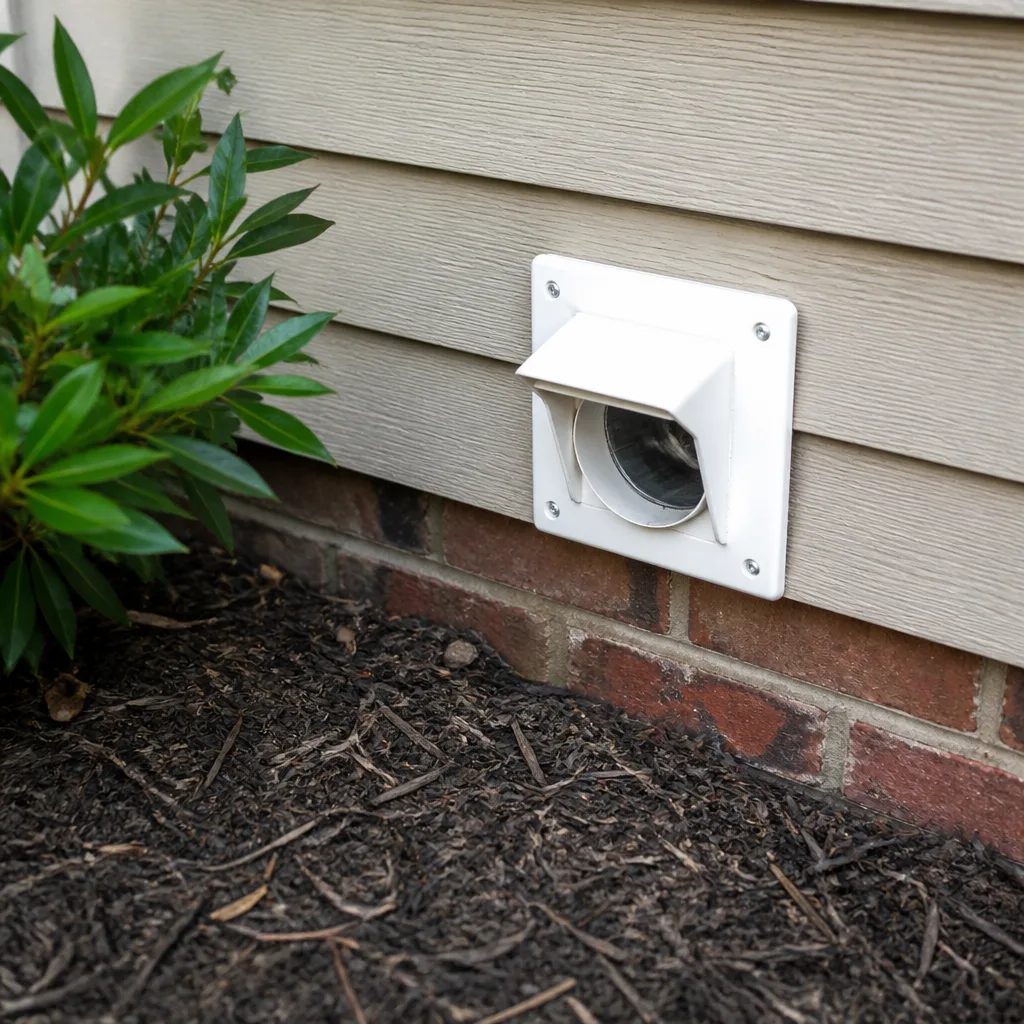 Dryer vent cleaning
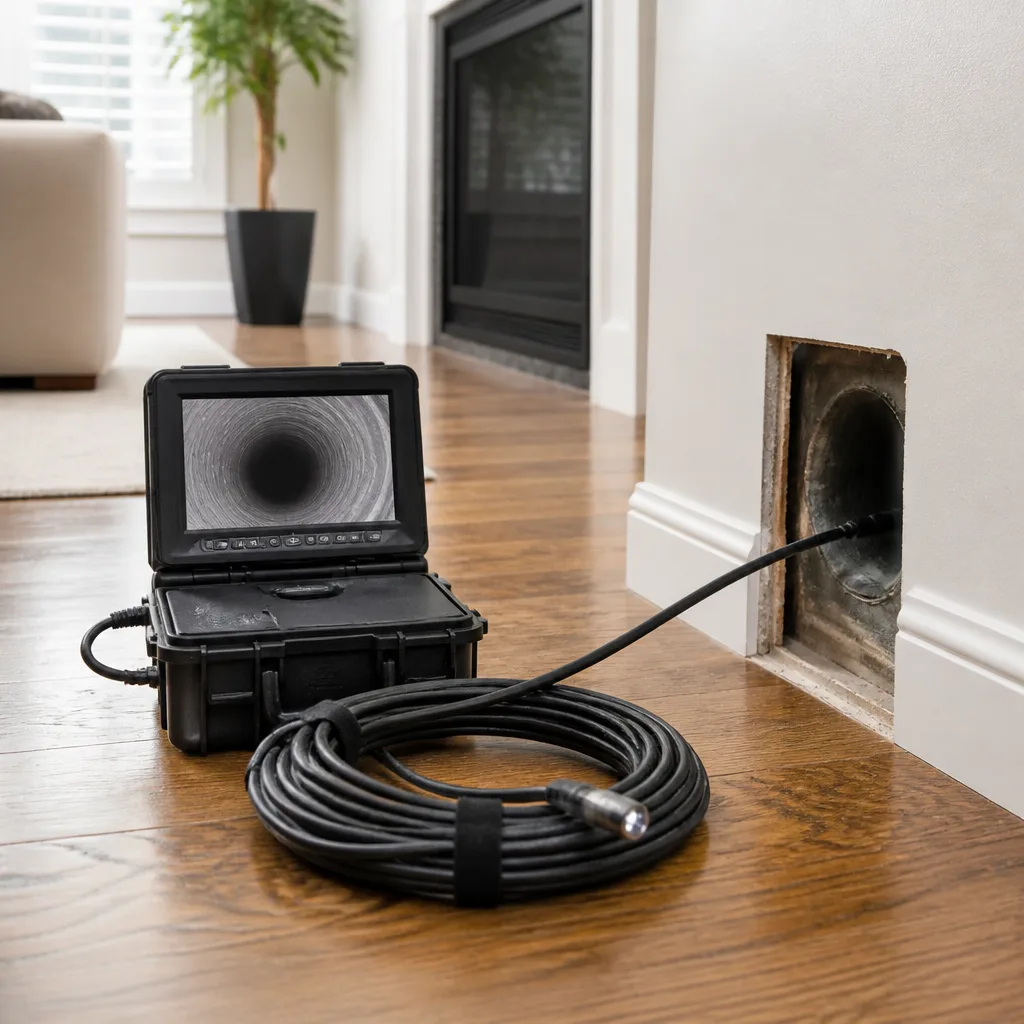 Camera inspection
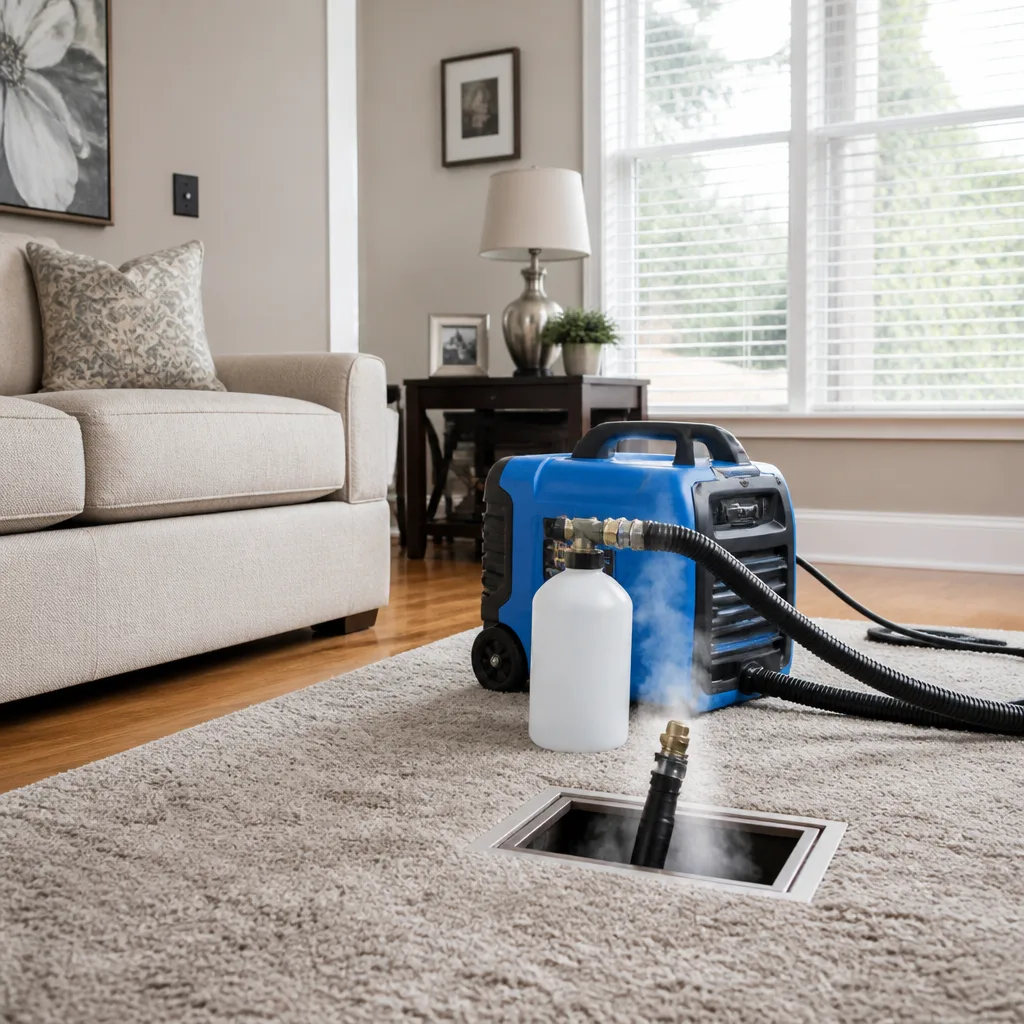 Sanitizing & deodorizing
Whole-system duct and dryer vent check with before-and-after photos - you see exactly what came out of your vents
That "$99 whole-house special" is a bait ad - the real number appears once they are in your hallway, or the "clean" is a shop-vac at the register. We photograph the inside of your ducts before and after instead.
Air Duct Cleaning Warning Signs: A Cherry Creek Homeowner’s Reference Guide
The most expensive duct cleaning jobs are the ones deferred for two years because every symptom had a more convenient explanation. The dog. The old carpet. The neighbor’s yard work. The furnace that’s “just getting old.” By the time an HVAC tech pulls a supply plenum panel and finds it packed with matted debris, the problem has been building quietly through two winters of running the heat full time. This guide teaches pattern recognition rather than symptom listing. You’ll learn how to tell duct-sourced dust from ordinary household dust, how to read odor signatures, how to measure airflow imbalance, and which warning signs mean cleaning alone won’t fix the problem. We’ll keep it specific to Cherry Creek homes and the Denver climate that presses on them.
Quick Answer
The clearest air duct cleaning warning signs in Cherry Creek are recurring dust on register surrounds within days of cleaning, musty or sour odors that appear only when the HVAC runs, temperature gaps of several degrees between rooms, visible dark streaking around supply grilles, and allergy symptoms that spike indoors while windows are closed. If you can check three or more of these boxes at once, it’s worth having the system inspected by a duct specialist rather than an outdoor-pollen or aging-furnace explanation.
Styles & brands we work with
- Whole-home duct cleaning
- Dryer vent cleaning
- Camera inspection
- Sanitizing & deodorizing
Table of Contents
- The White Cloth Test: Is It Duct Dust or House Dust?
- Odor Signatures and What Each One Tells You
- Airflow Imbalance as a Contamination Indicator
- Warning Signs After Wildfire Smoke and Cottonwood Season
- When Cleaning Alone Won’t Fix It
- Register Clues: Streaking, Matting, and Pest Traces
- The Allergy Pattern That Points Indoors
- How a Professional Inspection Actually Works
The White Cloth Test: Is It Duct Dust or House Dust?
Run a clean, dry white cloth along the face of a supply register and the wall within four inches of it, then wait five days and repeat. If the cloth picks up a gray-black smear off the register face and the same smear appears on the wall within days, you’re looking at particulate being delivered by the duct system, not dust settling from the room. If the register face stays cleaner than the surrounding wall, the source is your living space: carpet fibers, pet dander, cooking aerosol, or the general dust load every home carries.
The timing matters as much as the cloth. Duct-sourced particulate shows up fastest in the first hours after the blower starts, so a register dusted at night and checked the next morning after a heating cycle will look far worse than one checked at noon. Good household dust accumulates evenly across a week. Duct dust arrives in pulses whenever the system ramps on and off.
Three patterns to watch for:
- Dust concentrated on the outermost vanes of the register rather than spread evenly. That’s airflow carving a path through accumulated debris.
- Dark commas or teardrops on the ceiling paint around the supply grille. That’s fine particulate escaping at the register-to-drywall seam, often the first sign a supply boot is fouled.
- Fuzz or lint clinging to the return grille mesh within a week of vacuuming it. Usually debris in the return trunk or on the coil face behind the filter.
If your white cloth test comes back positive on all three counts, book a proper assessment. Our Air Duct Cleaning Cherry Creek team can also walk you through what a normal versus abnormal register appearance looks like in Denver-area homes.
Odor Signatures and What Each One Tells You
Duct odors are not interchangeable, and the differences change the urgency. A homeowner who smells something musty and reaches for a plug-in is masking a signal that, if it were read correctly, would tell them which intervention is needed. Here are the main signatures and how to tell them apart.
Musty, damp, or sour smells
This is the classic biological growth signature: mold or mildew colonies established on the coil face, the drain pan, or damp duct liner. It appears strongest in the first ten minutes of a heating or cooling cycle as air moves across the growth. For Cherry Creek homes with basement or crawlspace duct runs, condensation during the swing seasons is the usual driver. Urgency is moderate to high – the growth doesn’t stop on its own, and each season of running the system spreads spores through the house. A sanitizing treatment such as a Guardsman application, paired with a cleaning, is the standard response.
Stale, dusty, or “old attic” smells
Debris accumulation – dust, dander, fiberglass particulate, construction dust. Comes on gradually and stays consistent through the cycle. Urgency is low to moderate, but this is the most common pattern before a mechanical-agitation cleaning resolves it.
Sharp, ammonia-like, or distinctly animal notes
Pest activity: rodent droppings, urine, nesting material inside the duct trunks or boots. Smell often intensifies when the system first starts, then settles. Urgency is high – rodent waste carries pathogens and needs a containment-driven cleaning with air scrubbing during the work, not a standard pass. Abatement Technologies air filtration on site is the professional grade approach.
Hot, dusty, or metallic smells when the heat first kicks on
Usually this is dust burning off the heat exchanger at the start of the season. If it persists past the first few cycles, the source may be debris on or near the heat exchanger face – a sign the whole system, not just the ducts, is due for cleaning. That falls under HVAC cleaning, which addresses the coil and cabinet, not just the ductwork.
Airflow Imbalance as a Contamination Indicator
A partially blocked duct doesn’t just clean poorly – it creates a measurable temperature differential between rooms that a homeowner can spot with a $15 thermometer and a notepad. Here’s how the pattern reads.
- Pick the two most comfortable rooms and the two least comfortable rooms. Note their temperatures at the same time of day, three days in a row.
- Run the system for at least 30 minutes before each reading so steady state is reached.
- Compare. A gap of 3 to 5 degrees Fahrenheit between rooms on the same zone is usually a balancing issue. A gap of 6 degrees or more points to a restricted branch – often a run with accumulated debris, a crushed flex duct, or a boot that has pulled loose from its duct.
- Check the return. Weak return airflow makes every supply feel weak. If the return grille doesn’t pull a tissue against it, the restriction may be at the return trunk or on the filter.
Why this matters for contamination: a restricted duct runs at lower velocity, and low velocity is where particulate settles out of the airstream. Debris accumulates in exactly the ducts that are already starving for air. In Cherry Creek two-story homes and older bungalows near the neighborhood’s side streets, the second-floor runs are the usual suspects because they carry the longest flex duct and the most turns.
Temperature gaps that persist after cleaning usually mean duct leakage somewhere – commonly at boot-to-floor penetrations and flex-to-metal connections. Duct repair and sealing handles those, and it’s often the second step after a cleaning reveals them.
Warning Signs After Wildfire Smoke and Cottonwood Season
Cherry Creek sits in a climate with two annual events that push particulate into homes, and both leave a distinct residue in ductwork that a homeowner can learn to recognize.
Wildfire smoke events
Western smoke intrusions across the Front Range arrive in late summer and fall, and they carry fine particulate that finds every return-air gap. During a smoke event, most people close windows and run the system. That’s the right move for comfort, but it pulls outside particulate through any unfiltered or underfiltered return. After the event, look for:
- An ash or char smell in the house that persists after windows have been shut for several days.
- Extra-dark dust on the tissue you wipe across the return grille mesh.
- A grayish film on the coil-side of the filter that looks different from ordinary gray fuzz – finer, grittier.
Filters catch what they can, but the fine fraction that gets past a MERV-rated filter lodges in the duct lining and the coil fins. A post-season cleaning is worth scheduling if the house smelled smoky for more than a few days during an active event.
Cottonwood season
When the cottonwoods in and around Cherry Creek release in late spring, the air outside carries a fine fibrous fluff that clings to return grilles, exterior condenser coils, and window screens. Inside, if the system is running with windows open for evening air, the cottonwood fibers coat the return filter in a matted layer faster than normal dust would. Since the filter loads quickly, the pressure drop across it rises and the blower pulls air from elsewhere – including any leaky return duct in the unconditioned space.
Symptoms to watch for in the two to three weeks after a heavy cottonwood run: sudden airflow drop in the house, a rise in dust on supply registers, and a filter that visibly needs replacement much sooner than the label suggests. Replace the filter early that season and book a duct inspection if the symptoms persist once the cottonwood has passed. Our air duct cleaning service is built to clear the fibrous load out of the returns before it works into the trunk.
When Cleaning Alone Won’t Fix It
Not every duct problem ends with a cleaning. In our experience, roughly a third of homes that call because of “dirty ducts” turn out to need one of three additional interventions, and recognizing the warning signs in advance saves you a second contractor visit.
Coil fouling
If the system cools or heats but weakly, the coil fins behind the filter may be matted. A dirty evaporator coil blocks airflow and drives up runtime. Cleaning the ducts without cleaning the coil is only half the job – the coil is what the air actually passes over. Ask any duct professional whether the coil is on their scope. It’s on ours: coil cleaning is part of HVAC cleaning.
Duct leakage
If your home never quite reaches the temperature the thermostat calls for, or the utility bill climbs while runtime stays the same, duct leakage in unconditioned space is likely. Signs include a whistling at boot or plenum connections, visible gaps where flex meets metal, and dark dust tracks on attic insulation or basement framing along a duct run. Repair and sealing with mastic or foil tape – not “duct tape” in the colloquial sense – usually resolves it.
Liner deterioration
Internal duct liner that has delaminated or broken down sheds fibers into the airstream, which is why a white cloth test can pick up material that never came from household dust. Liner failure requires either replacement on damaged runs or encapsulation. This is a repair scope, not a cleaning scope.
When warning signs point at any of these three, our team will flag them during inspection – a cleaning quote that misses coil fouling or duct leakage isn’t the full job.
Pest entry points
If you find rodent droppings or nesting material at the base of a vertical duct run, the cleaning is only step one. The entry point needs sealing or the problem returns next season. We flag entry points as part of the assessment.
Register Clues: Streaking, Matting, and Pest Traces
Supply and return registers are the duct system’s face to the room, and they give away more than most homeowners realize. A five-minute walk around the house with a flashlight covers the most common tells.
- Dark streaks radiating from the grille into the wall or ceiling. Airborne particulate depositing at the crack line – indicates the duct boot or the grille frame has lost its seal.
- Matting on the return grille within days of cleaning it. Almost always debris on the coil side, not the room side.
- Rust or water staining on the register frame. Points to condensation inside the duct, common on second-floor runs and basement supplies in Denver’s dry-to-cold swings.
- Loose or missing screws around the grille. Often how pests get in, and usually how air starts sneaking past the register face.
- Dark specks on the floor beneath the register. Fine enough that a vacuum misses them – a classic sign the supply run is fouled.
A register condition that consistently shows across three or more rooms is more telling than one register in isolation. One bad register is often a boot problem. Three bad registers on the same floor is usually a trunk or a coil problem.
The Allergy Pattern That Points Indoors
Outdoor pollen gets blamed for a lot of indoor symptoms. The distinguishing test is when and where the symptoms happen, not what season it is.
Duct-sourced allergen exposure has three tells that pollen doesn’t:
- Symptoms are worse indoors than outdoors. Pollen counts fall when you come inside. Duct debris is already indoors, and every blower cycle re-suspends it.
- Symptoms spike when the system starts. The first 15 to 30 minutes of a heating or cooling cycle is when the highest suspended particulate load moves through the house. Note when the furnace or AC kicks on and whether your symptoms match the timing.
- The bedroom is worse than the living room, because the bedroom door stays closed and the airborne load concentrates.
If you’re seeing this pattern in a Cherry Creek home, the diagnostic question is not whether the ducts are dirty in general but which side of the system is fouled. Waking up congested and finding the room’s dust load highest right after the heat runs points to the supply. A wheeze that gets worse when the return is running points to the return. A full cleaning touches both. Beyond cleaning, air sanitizing with a Guardsman treatment is worth considering if the household has mold sensitivity, pets, or recent renovation debris.
How a Professional Inspection Actually Works
A thorough duct inspection is not a flashlight pointed into a register. It uses mechanical agitation tools, a video camera when needed, and negative pressure to see what’s actually inside the system. Here’s how a proper inspection sequence runs when our team is on site.
- System survey before any tools come out. Register count, duct material, trunk and branch layout, filter and coil condition, and blower access point.
- Camera inspection of the main trunk. Confirms whether the debris is loose dust, matted biological growth, fibrous cottonwood load, or pest material, each of which changes the cleaning approach.
- Static pressure check at the supply plenum and return. High static pressure tells us where the restriction is, not just that one exists.
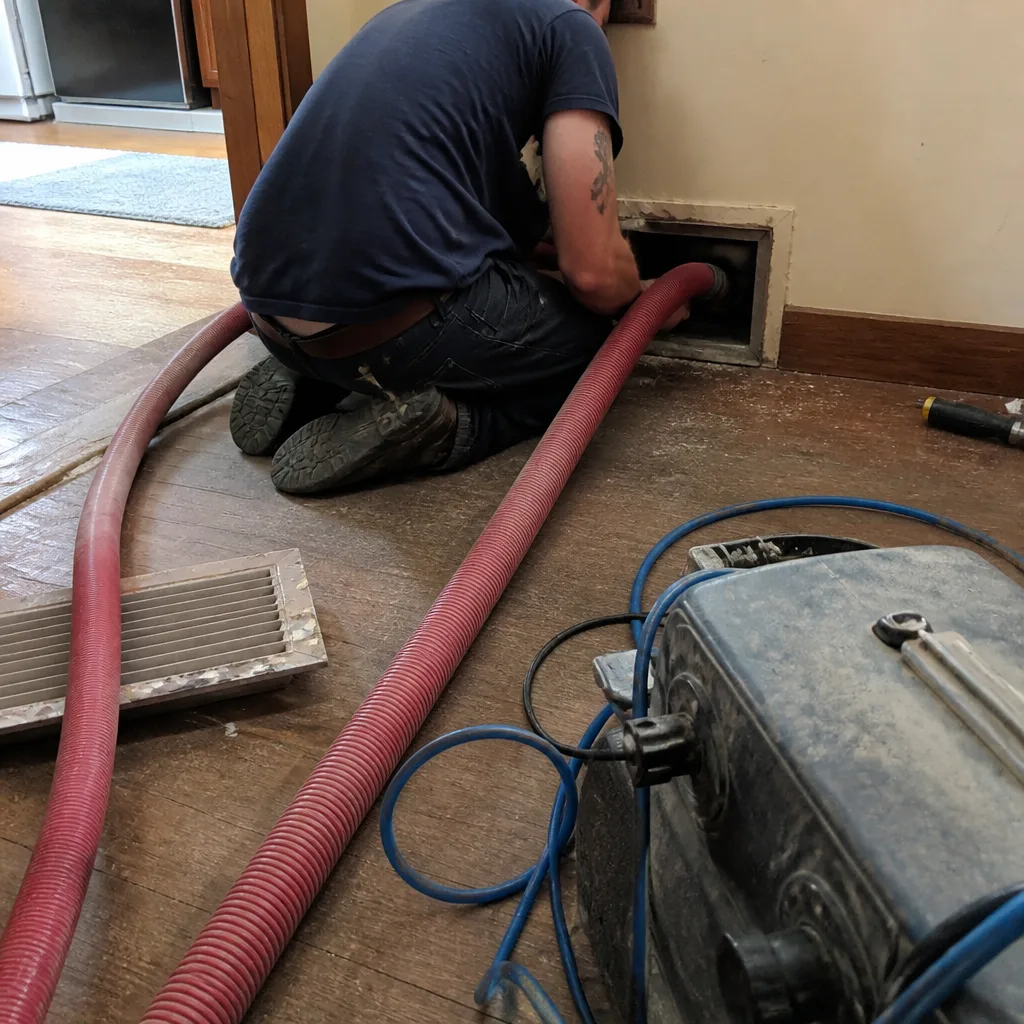
- Containment setup. Air scrubbing at the work site with an Abatement Technologies unit, so dislodged particulate is filtered rather than distributed through the house during cleaning.
- Mechanical agitation with extraction. Rotobrush and Nikro equipment provide the agitation and vacuum combination you need to actually lift matter off the duct walls. A shop vac can’t generate the air volume or the brush action to clean a residential duct trunk.
- Coil and cabinet inspection. Where the filter meets the coil face, and where the coil meets the drain pan. Often where the most important finding lives.
After cleaning, the sequence runs backward – a pressure reading, a register sweep with the cloth to confirm the supply side is clean, and a written summary of what was found. If any of the three “cleaning alone won’t fix it” problems came up, those go into the report.
A note on the equipment: purpose-built tools matter more than the marketing language around them. Our technicians have up to 9 years of experience, and our equipment is Rotobrush and Nikro across the board, not improvised. We also work with Honeywell and Aprilaire product ecosystems, which matters if your home already uses one of their filtration systems – we know how the equipment behaves with the filter running during service. And for households considering air sanitizing alongside a cleaning, Guardsman products are on our standard list for mold-concerned or post-renovation homes.
A related service worth flagging: every duct cleaning visit should include a look at the dryer vent. Our dryer vent cleaning is on the menu as its own service, not an upsell – a clogged dryer vent is a fire risk and an efficiency drag, and many duct cleaners skip it entirely.
Common Mistakes to Avoid
- Attributing register dust to the dog or the carpet without running the cloth test. Pet hair and carpet fiber look different from duct-sourced particulate; a five-day white cloth comparison settles it in five minutes of work.
- Replacing the filter and calling it duct maintenance. A filter catches what reaches it. Debris that has already settled in the return trunk or on the coil face stays there. The filter protects the equipment, not the ducts themselves.
- Choosing a duct cleaner on price alone. The low quote tends to mean no camera, no pressure check, no containment, and a truck-mounted shop vac – you pay less because less happens. Ask what equipment is used and whether a report is included.
- Ignoring a dryer vent because the ducts were cleaned. Duct cleaning and dryer vent cleaning are two separate services. The dryer vent is a fire risk and needs its own appointment.
- Treating a musty smell as an air freshener problem. Biological growth on a coil or drain pan doesn’t stop on its own. Masking the odor in a Cherry Creek home through one heating season gives the colony another cycle to spread.
- Assuming the temperature gap between rooms is just “how the house is.” A 6-degree gap is a data point, not a fact of life. Note the room temperatures across three days before concluding the house can’t do better.
- Skipping the inspection because the visible ducts look clean. Most duct contamination lives in the trunk, the plenum, and the coil cabinet – none of which are visible from any register.
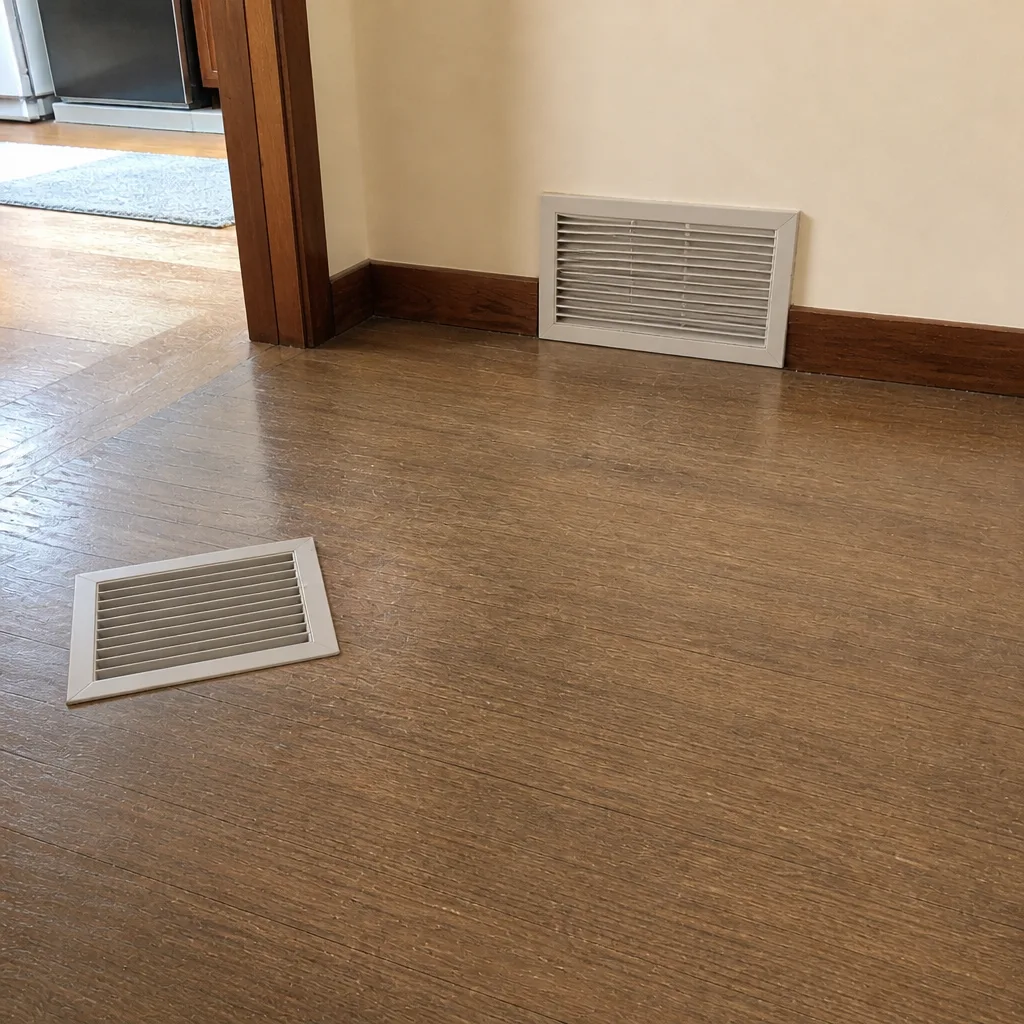
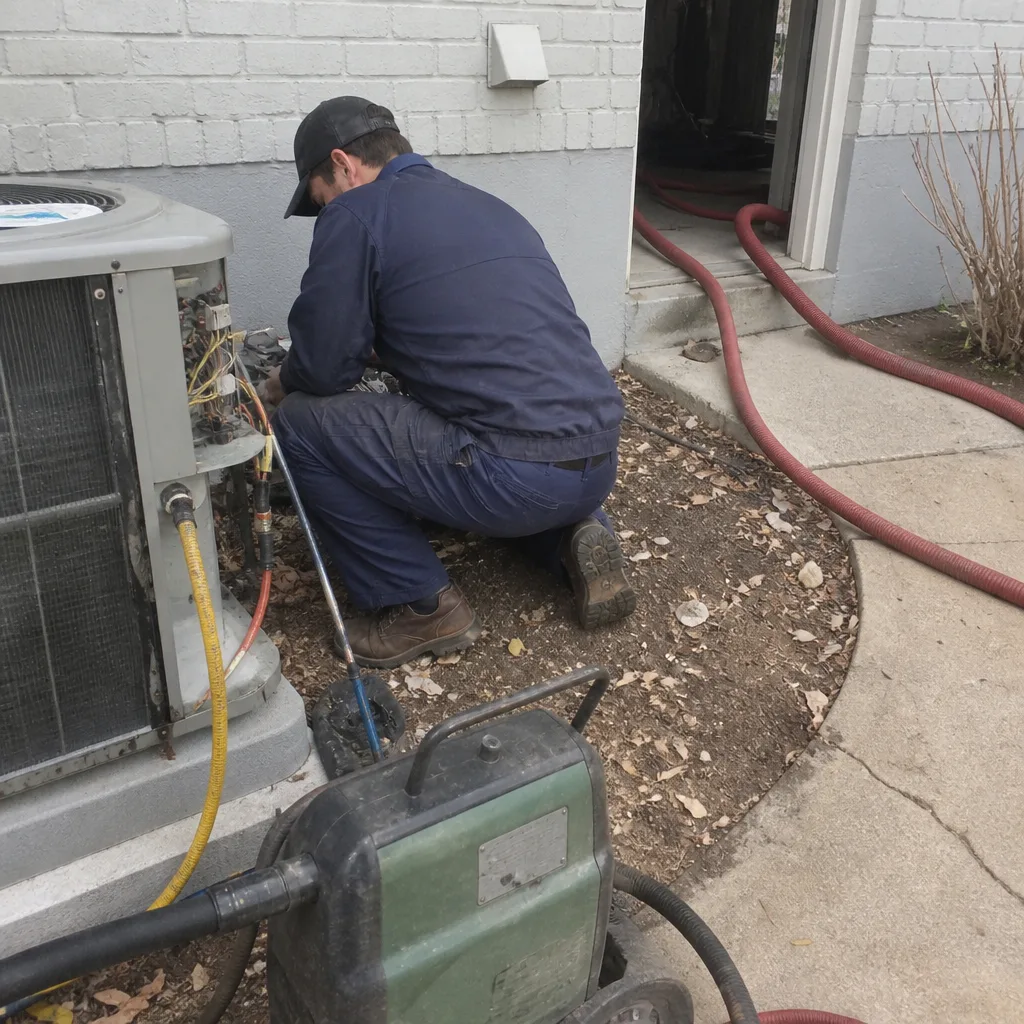
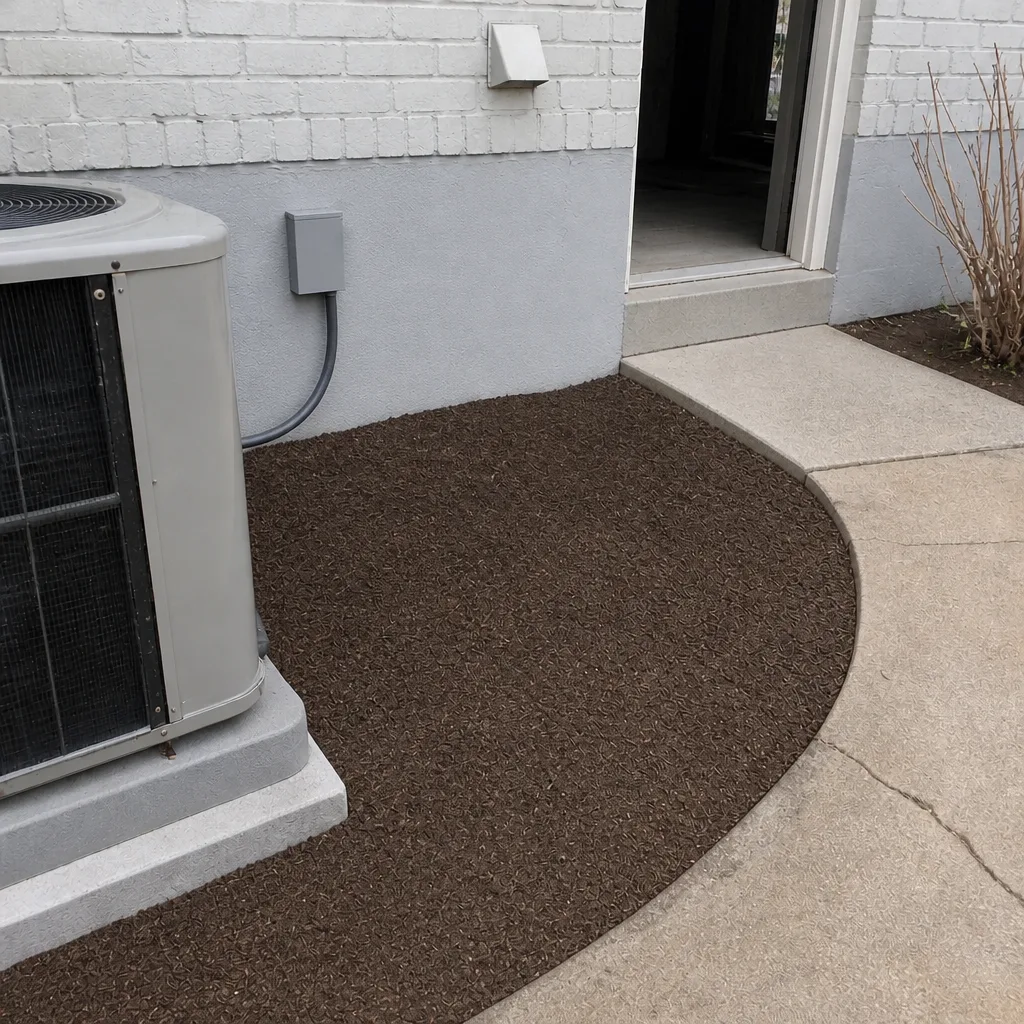
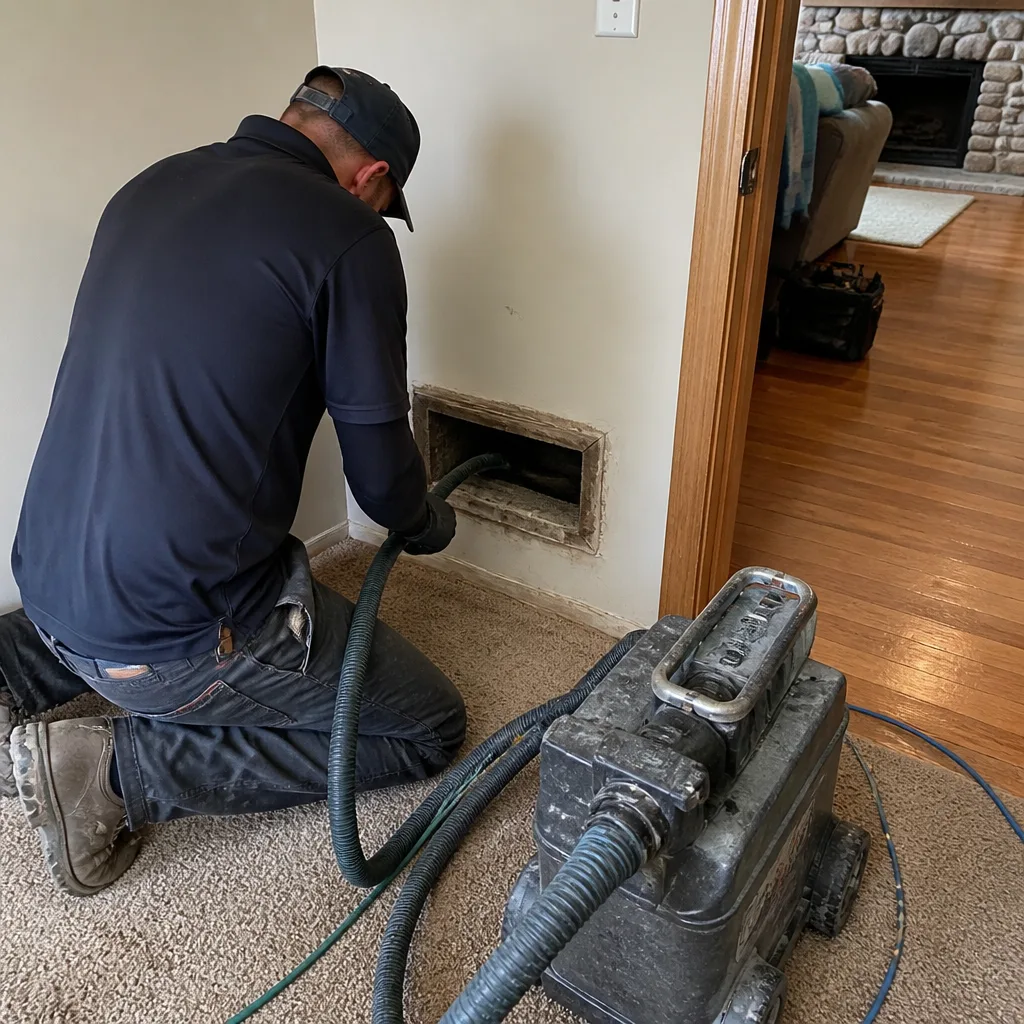
See the difference
 Before
 After
 Before
 After
 Before
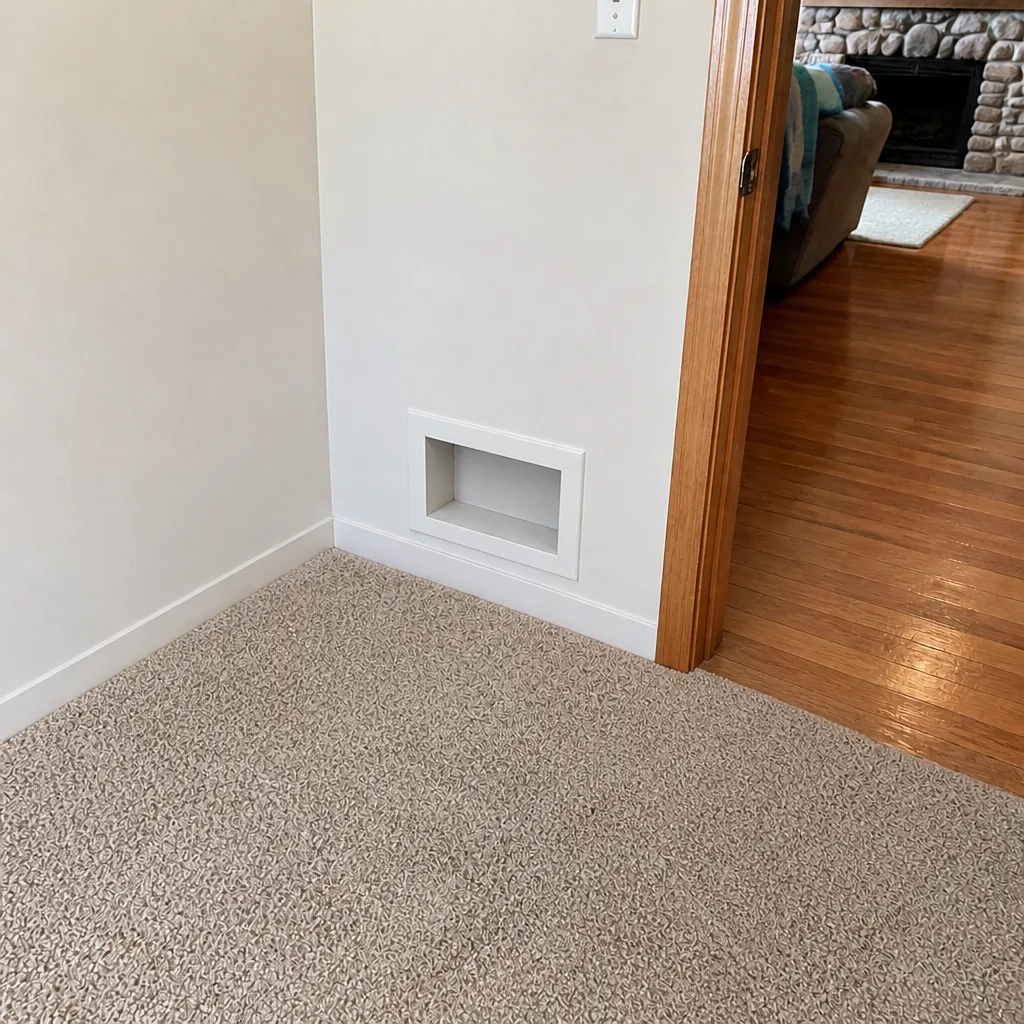 After
When to Call a Professional
Book a professional assessment if three or more of the following are true in your home: recurring register dust within a week of wiping, a musty or sour odor at the start of a heating or cooling cycle, a temperature gap of 6 degrees or more between rooms on the same zone, visible dark streaking at register edges across multiple rooms, a pattern of indoor allergy symptoms that tracks the blower cycle, or a post-wildfire-smoke smell that won’t clear. Book immediately if you find pest material or notice a sharp, ammonia-like odor from a duct opening. Call (844) 443-3752 for a free estimate. Air Duct Cleaning Cherry Creek offers free estimates in Cherry Creek. We answer 24/7. Fast dispatch from 7am to 7pm, Sunday through Friday.
Frequently Asked Questions
The top signs are recurring dust on and around registers within days of cleaning, musty or sour odors that appear only when the HVAC runs, temperature gaps of several degrees between rooms on the same zone, visible streaking at register edges across multiple rooms, and allergy symptoms that spike indoors while the windows are shut. Any one of these is worth a note; three together is worth an inspection. Call (844) 443-3752 to schedule a free estimate.
Run a white cloth along a supply register and the wall around it, then repeat the test five days later. If the same gray-black smear reappears within days on both the register face and the wall, the source is likely the duct system rather than ordinary household dust. A five-day comparison across two or three registers in different rooms gives you a solid baseline before calling anyone.
Both events push fine particulate into return-air paths during the weeks the system is running with windows closed (smoke) or open (cottonwood). The fine fraction that slips past the filter lodges in the duct lining and the coil fins, and it doesn’t leave on its own. A post-season cleaning addresses both. Call (844) 443-3752 for an inspection that confirms whether cleaning is enough or if coil fouling needs attention too.
It usually means mold or mildew growth on the evaporator coil face, drain pan, or damp duct liner – most often on basement runs and second-floor supplies where condensation forms during the swing seasons. Sanitizing with a Guardsman treatment is standard, but the cleaning should come first so the growth isn’t just re-wetted. Call (844) 443-3752 to book a moisture and coil assessment.
It depends on the size of the gap. A 3 to 5 degree difference is usually a balancing issue you can adjust with dampers. A gap of 6 degrees or more usually points to a restricted branch, a crushed flex run, or a boot that’s pulled loose – all of which are cleaning and repair findings, not just cleaning findings. Call (844) 443-3752 and we’ll measure static pressure to find the restriction.
Cleaning alone isn’t enough when the coil is matted with debris, when duct runs are leaking air into unconditioned space, or when interior duct liner has delaminated. Those three need coil cleaning, duct repair and sealing, or liner replacement on the affected runs. A proper inspection identifies which one you’re facing before any cleaning starts. Call (844) 443-3752 for an estimate on the full scope.
The Bottom Line
The pattern matters more than any single symptom. A homeowner who reads three or four signs together – recurring register dust, a musty start-of-cycle odor, a temperature gap, a post-smoke-season residue – sees a duct problem that a homeowner chasing one symptom at a time will keep deferring. The white cloth test, the five-day timing check, the room-to-room temperature gap, and the odor signature together give you more diagnostic information than any single look at a register. When they line up, book an inspection rather than waiting for the plenum to get packed. Our team is here to help at Air Duct Cleaning Cherry Creek.
Call (844) 443-3752 for a free estimate. We answer 24/7. Fast dispatch from 7am to 7pm, Sunday through Friday.
Written by the team at Air Duct Cleaning Cherry Creek.