
Last updated November 23, 2026
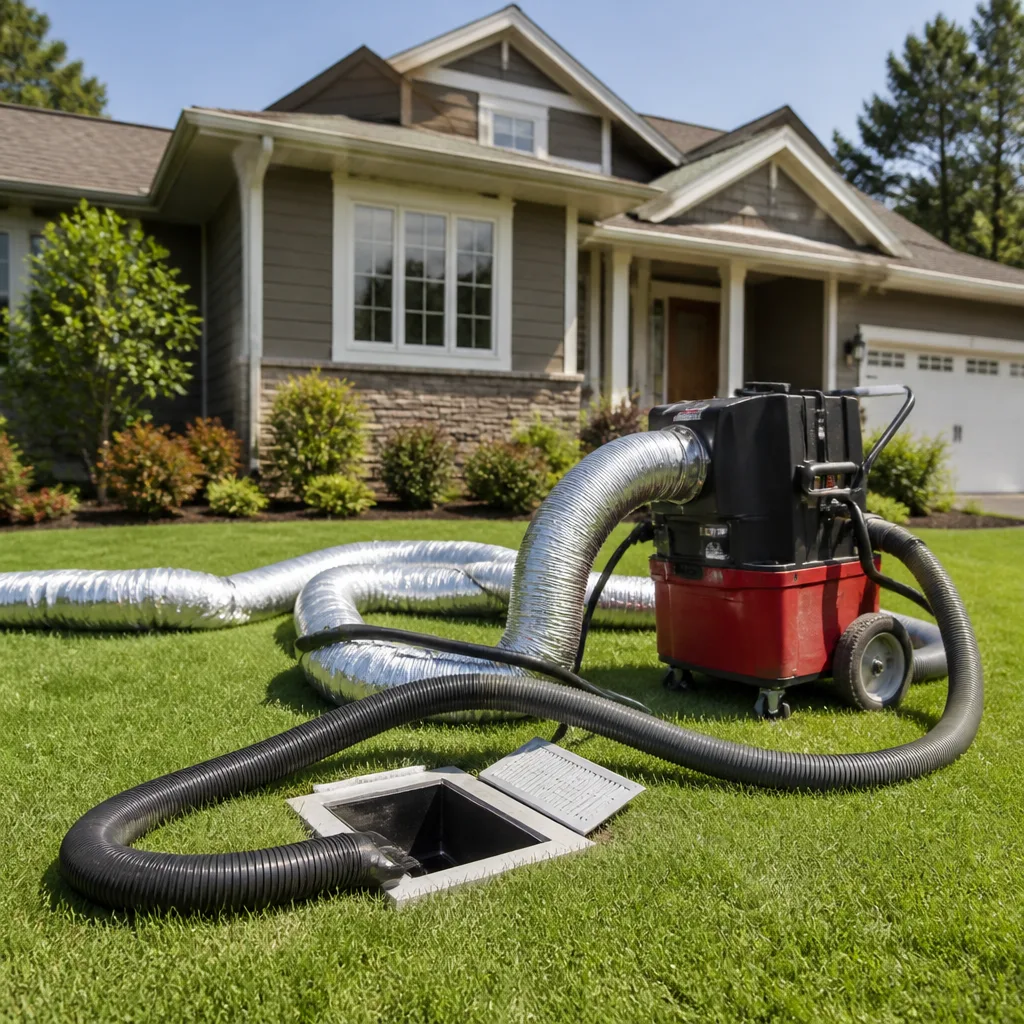 Whole-home duct cleaning
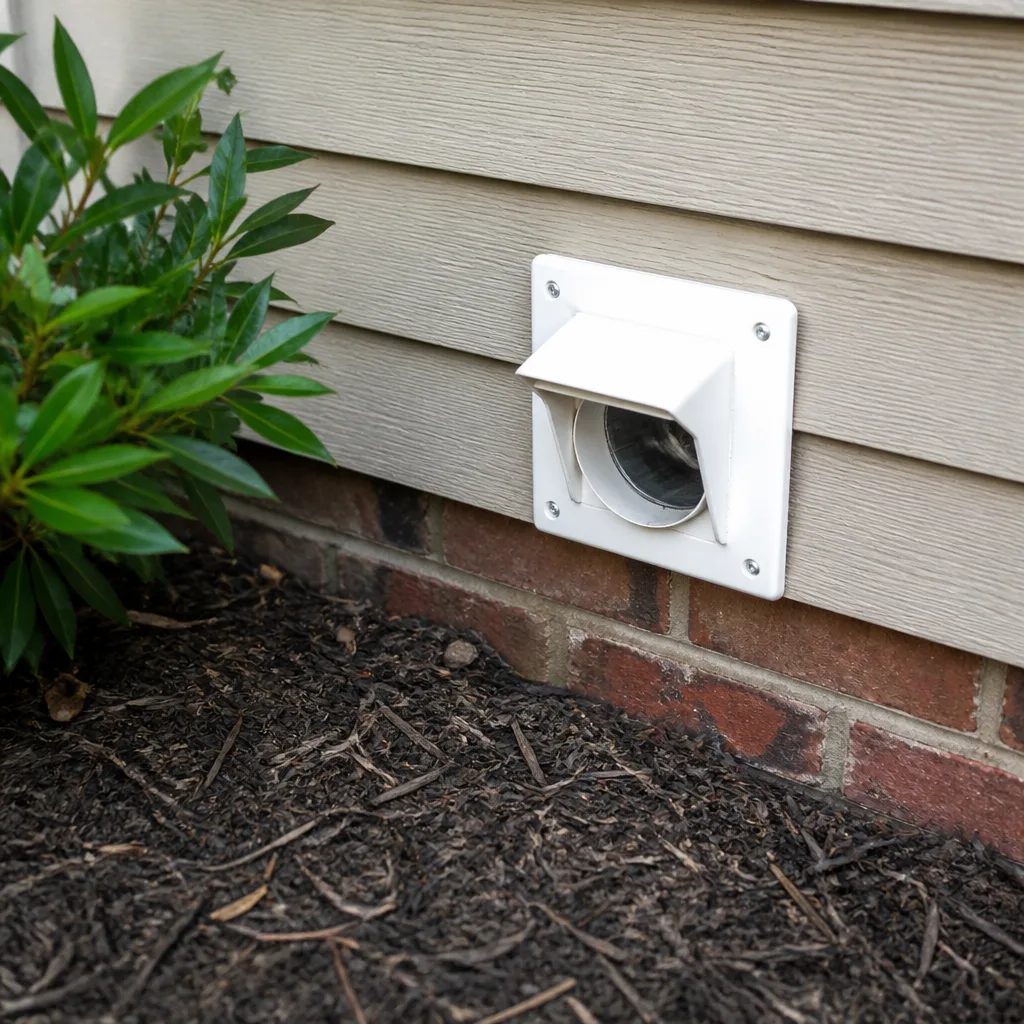 Dryer vent cleaning
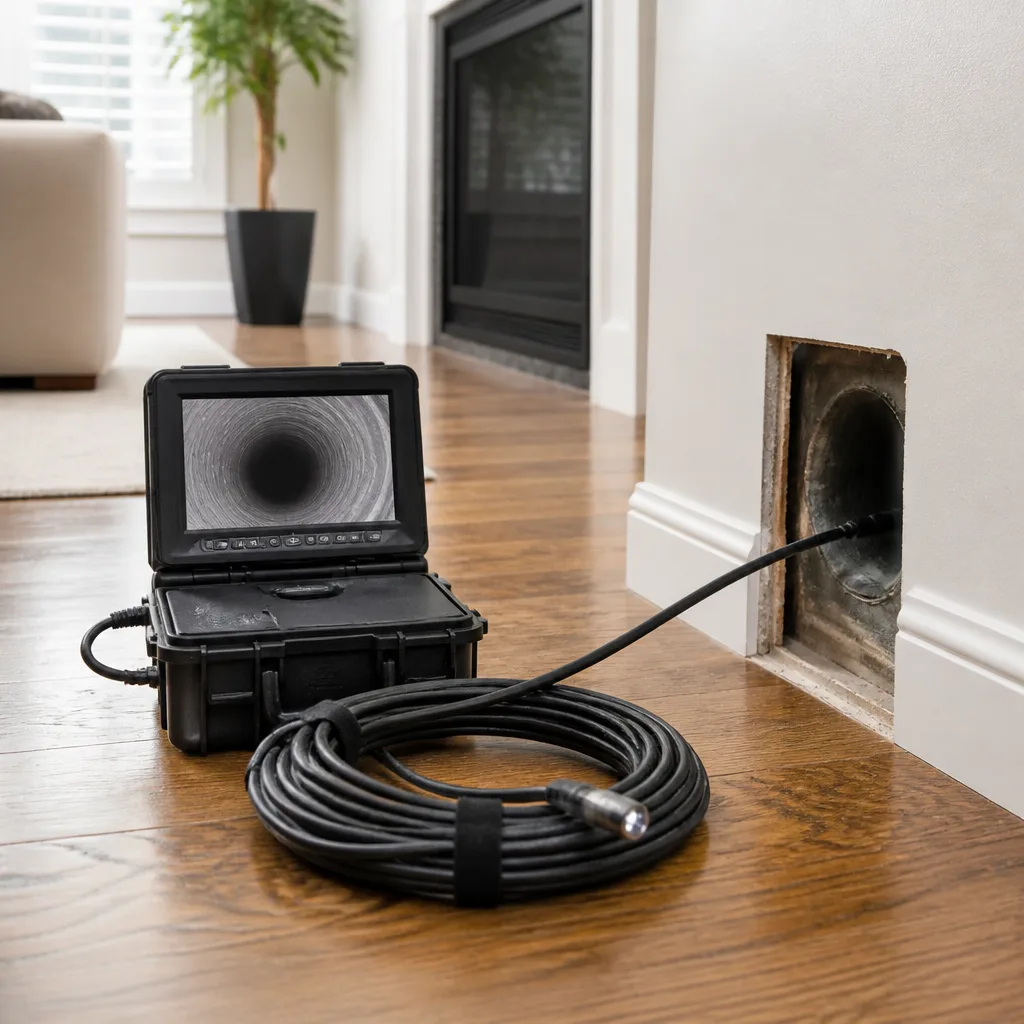 Camera inspection
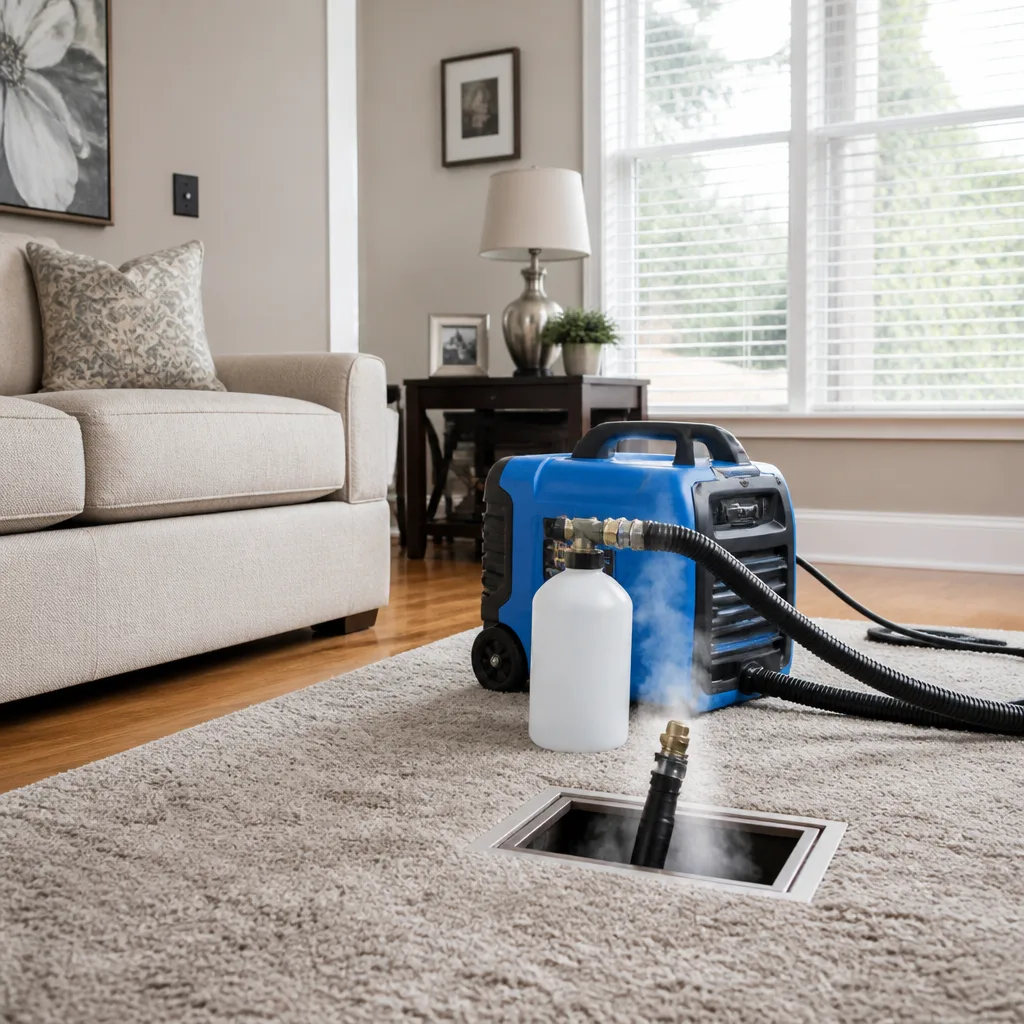 Sanitizing & deodorizing
Whole-system duct and dryer vent check with before-and-after photos - you see exactly what came out of your vents
That "$99 whole-house special" is a bait ad - the real number appears once they are in your hallway, or the "clean" is a shop-vac at the register. We photograph the inside of your ducts before and after instead.
DIY vs Professional Air Duct Cleaning: The Cherry Creek Homeowner’s Decision Guide
Here’s the part most DIY duct cleaning advice gets wrong. A HEPA shop vac and a dryer vent brush can do real, honest work at a register grille or a short, straight run you can reach. But the moment you loosen dust inside a fully ducted forced-air system without a negative-pressure machine pulling from the main trunk, that debris has somewhere to go: the air handler, and then your living room. Redistributed dust is worse than dust left alone, because now it’s airborne. This guide covers what a homeowner can safely do in Cherry Creek, where DIY prep work genuinely helps, and the point at which the job stops being a cleaning project and starts being a containment project.
Quick Answer
For most Cherry Creek homes with fully ducted forced-air systems, professional cleaning is the right call because DIY methods can’t create the negative pressure needed to capture dislodged debris. A homeowner can absolutely handle register grille cleaning, wipe-downs of accessible plenum surfaces, and dryer vent brushing with the right tools. The line is containment: once you’re agitating dust deeper than you can see, you need professional equipment to do it without pushing contamination into the rooms you live in.
Styles & brands we work with
- Whole-home duct cleaning
- Dryer vent cleaning
- Camera inspection
- Sanitizing & deodorizing
Table of Contents
- The Physics That Decide This for You
- What a Homeowner Can Legitimately Do
- How to Use DIY as Prep Before a Professional Job
- The Liability Question: Mold, Damaged Insulation, and Containment
- Cost-Benefit: Amortized Professional Cleaning vs. Consumer Equipment
- The Dryer Vent Is a Separate Job With Its Own Rules
- Why Cherry Creek Homes Present Specific Challenges
- Common Mistakes to Avoid
The Physics That Decide This for You
Air duct cleaning works on a simple principle: loosen the debris with mechanical agitation, then pull it into a sealed vacuum before it can escape. The extraction end is the part DIY can’t replicate. Professional systems pull from the main trunk with enough airflow to keep the entire duct run under negative pressure relative to the room. Every register, every branch, and every seam draws air inward instead of leaking dust outward. Once the system is sealed and under suction, the technician can agitate the duct walls with a rotary brush or compressed-air whip and the debris travels toward the vacuum, not into your hallway.
The airflow requirements matter. A standard Cherry Creek home with a forced-air furnace runs a duct system that a consumer shop vac cannot pull against. Consumer vacuums are rated in a way that doesn’t translate to a sealed duct trunk, and even high-end HEPA units in the 150-200 CFM range are working against duct runs that need far more capture volume to stay under negative pressure while a brush is spinning inside. Professional truck-mounted and high-capacity portable systems deliver the airflow required to maintain suction during agitation. We use Rotobrush and Nikro systems, which pair mechanical agitation with that extraction, and on-site Abatement Technologies air scrubbers add a filtration layer that catches airborne particulates that escape during the process.
When the negative-pressure requirement is missing, the physics work against you. Loosening dust inside a sealed duct without extraction sends that dust to the air handler, which then distributes it through every room. This is why the DIY-vs-professional question is largely settled before it begins for most fully ducted homes in Cherry Creek. The comparison only holds for accessible surfaces, not for the system itself.
What a Homeowner Can Legitimately Do
None of the above is a reason to do nothing between professional cleanings. There are specific, safe, genuinely useful tasks a homeowner can handle without risk of redistribution, and they make a real difference in how quickly the system loads back up. The key is staying at the accessible side of the duct system.
- Register grille cleaning: Remove each supply and return grille, wash it in a utility sink with dish soap, and let it dry before reinstalling. Grilles collect a surprising amount of surface dust and are entirely safe to clean. A soft brush gets into the fins without bending them.
- Accessible plenum and boot wipe-downs: The metal plenum at the furnace and the visible boots where ducts meet the floor can be wiped with a damp microfiber cloth. This is surface work, not duct work. You’re removing dust that has settled, not agitating dust that’s stuck.
- Register and return frame cleaning: The painted or taped frame around the register sits outside the duct. Wipe it while the grille is off.
- Dusting near supply registers: Dust accumulates on ceilings, walls, and furniture near high-flow registers. A HEPA vacuum with a brush attachment at the surface of the ceiling around the register catches what’s settling.
- Changing the HVAC filter on schedule: This is the highest-impact thing most homeowners skip. A clean filter reduces the load on the system and means less debris entering the ductwork in the first place.
The tool list for this work is small: a soft-bristle brush or vacuum brush attachment, a HEPA-filtered consumer vacuum, microfiber cloths, dish soap, and a screwdriver for grille removal. You don’t need a duct cleaning kit, and you should be skeptical of consumer “duct cleaning” attachments that promise to reach into duct runs. Those are the tools most likely to push debris deeper rather than remove it.
How to Use DIY as Prep Before a Professional Job
Here’s where DIY earns its place: as preparation. Doing the accessible-surface work before a professional cleaning means the technician spends their time on the duct system itself rather than on grilles you could have washed in the sink. It also gives you a cleaner baseline to compare against after the job. The sequence matters, though, because doing it in the wrong order pushes debris the wrong direction.
- Turn the system off before you start. You don’t want the blower pulling loosened dust into the air handler while you work.
- Remove all register grilles and set them aside for washing. Label them with painter’s tape if your home has grilles in multiple sizes, so they go back where they came from.
- Wipe accessible dust with a damp cloth, not a dry one. Dry wiping does exactly what we’re trying to avoid: it lifts dust into the air. Damp microfiber locks it on the cloth.
- Vacuum the immediate area around each register with a HEPA vacuum. This catches settled dust before the technician starts agitating.
- Do not insert anything into the ducts themselves. No vacuum attachments pushed into runs, no brushes tied to a cord, no improvised tools. This is the step where prep turns into damage.
- Wash, dry, and set the grilles aside until after the professional service. Reinstalling before the cleaning just means the technician has to remove them again.
That last point matters and it’s the one homeowners skip: reinstalling grilles before the technician arrives means they’re taken back off. Pull them, clean them, stack them somewhere dry, and put them back once the ducts are done. If a grille is rusty or bent, replace it while it’s off rather than putting a damaged grille back over a freshly cleaned duct.
The Liability Question: Mold, Damaged Insulation, and Containment
The moment a duct system contains mold or damaged internal insulation, the calculation changes. Cleaning is no longer about removing dust; it’s about removing contamination without releasing it into the living space, and that demands containment that a homeowner cannot improvise. Agitating mold-laden dust inside an unsealed duct is an air quality event in your home. It’s one of the few situations where doing nothing is genuinely safer than doing something.
Signs to look for before you touch anything:
- Musty or earthy odors that appear when the system runs, not just in a single room. This often points to moisture in the ductwork or on the evaporator coil.
- Visible dark spotting or discoloration on duct interior liners or on the metal near the air handler, visible with a flashlight through a register.
- Falling insulation fibers or visible degradation of the internal duct liner. Older flex duct insulation can break down and shed.
- Water staining on ductwork, ceiling, or the furnace plenum.
- Recent water damage, roof work, or plumbing leaks near duct runs.
If any of those apply in a Cherry Creek home, professional cleaning with containment is the only responsible route. We bring Abatement Technologies air scrubbers on-site to capture dislodged particulates, and for households dealing with mold concerns, pet dander, or post-renovation debris, Guardsman sanitizing treatments address the contamination after the cleaning. If mold is confirmed inside the ducts, duct repair and sealing is often part of the fix, because the moisture source that fed the mold needs to be addressed rather than just cleaned around. That’s a job for a specialist working with a plan, not a shop vac operating in the dark.
Cost-Benefit: Amortized Professional Cleaning vs. Consumer Equipment
The cost comparison gets clearer when you spread the professional cleaning across its service interval. Most homes fall into a four-to-six-year window between cleanings, and during that time the equipment and labor cost per year often comes in below what a homeowner would spend on their own tools, filters, and time, without any of the containment risk. Estimating what a professional cleaning costs in the Cherry Creek market depends on square footage, number of registers, system configuration, and whether sealing or sanitizing is included, so no single number is honest. What we can tell you is what the comparison actually includes on each side.
- Professional side, amortized over 4-6 years: one flat estimate per system agreed before work starts, mechanical agitation with a purpose-built system, extraction under negative pressure, on-site filtration from air scrubbers, before-and-after photos, and a written scope that covers exactly what was cleaned.
- Consumer side, per year: a HEPA vacuum capable of the small work, filters, grille brushes, cloths, and time. It handles surface cleaning well and duct interiors not at all.
- The gap: the only consumer tool that claims to reach into ducts is the one most likely to redistribute debris. Money spent there doesn’t buy containment; it buys risk.
- The hidden cost of DIY-the-surface-only: none. Surface cleaning is free value, and it should be part of the routine.
Amortizing a professional cleaning across the interval also makes the before-and-after photos more useful, since you have a documented baseline. The comparison isn’t really “cheap vs. expensive.” It’s “surface cleaning at home, plus a proper system cleaning every few years, done by someone who can actually contain the debris,” versus “surface cleaning only, with the duct interiors never truly touched.” air duct cleaning rates for a real Cherry Creek job reflect the equipment, containment, and scope, and the written estimate sets the final price before anything starts.
The Dryer Vent Is a Separate Job With Its Own Rules
Dryer vent cleaning is where DIY risk climbs fastest, and it’s the service many duct cleaners quietly skip. The vent is a fire-risk system, and lint accumulating in the run is the fuel. A homeowner can do the accessible parts: pull the dryer out, disconnect the vent, vacuum the lint trap cavity, and clean the short section between the dryer and the wall. The full run to the exterior termination, however, is often long, has elbows, and passes through spaces you can’t reach with a brush. A brush spun by hand from inside the laundry room often pushes lint deeper into the run rather than removing it. And every elbow is another place lint collects that a consumer tool can’t properly clear.
We handle dryer vent cleaning as its own service, with the same equipment discipline. If your dryer is taking longer to dry clothes, the exterior flapper doesn’t open freely, or you can see lint buildup at the outside termination, that’s a sign of a clearance issue worth addressing before it becomes a fire risk. A dryer vent is a fire risk waiting to be cleared. It’s not a service to outsource to whoever has a shop vac.
Why Cherry Creek Homes Present Specific Challenges
Cherry Creek is a mix of older housing stock, townhomes, and newer builds, and both ends of that range create duct setups where DIY gets risky fast. Older homes often have retrofitted ductwork with more elbows, transitions, and short runs feeding individual rooms, which means more places for debris to settle out of reach. Newer homes tend toward longer, more complex runs and flex duct in ceilings and walls, where insulation can degrade and shed over time. In either case, the duct system isn’t visible from any one register, and it’s the parts you can’t see that decide the outcome.
The local climate adds pressure. Cherry Creek’s dry air and seasonal dust mean homes load up on particulates that circulate through the return and settle in the supply runs. Allergy symptoms, musty odors, and visible dust at the registers are the usual complaints, and they get worse when the system runs hard through a dry stretch. If your home has an Aprilaire or Honeywell filtration system, its performance depends on clean ductwork; a high-MERV filter is doing its job against a system that’s already loaded, and the combination reads as reduced efficiency even when the equipment is fine. That’s why we treat duct cleaning as one part of indoor air quality under a single scope, alongside HVAC cleaning, duct repair and sealing, and air quality sanitizing, rather than a vacuum-and-go visit. Familiarity with those filtration systems matters too, because the ductwork and the filtration equipment have to work together.
Common Mistakes to Avoid
- Pushing a vacuum attachment into a duct run. Consumer tools don’t seal against a duct, so what goes in as suction comes back out as airborne dust. Stop at the register opening.
- Running the system while you clean. The blower pulls loosened debris straight into the air handler. Turn the system off before touching a grille.
- Cleaning moldy ductwork without containment. If you suspect mold, musty odor, or damaged liner, stop. That’s a professional job with an air scrubber, not a homeowner job.
- Assuming a cheap online coupon price is the total. The industry’s biggest problem is a low teaser price that becomes a much larger invoice on-site. Ask for a flat price per system, agreed in writing, before anyone starts.
- Cleaning only the grilles and calling it duct cleaning. Grilles are the easy part and always worth cleaning. The ducts are the job.
- Skipping the dryer vent because it seems fine. Long dryer runs with elbows hold lint out of sight. Dryer vent cleaning belongs on the schedule, not the wish list.
- Hiring a generalist with a shop vac. Ask what equipment they use. If the answer is “a big vacuum,” that isn’t containment, and it isn’t duct cleaning.
See the difference
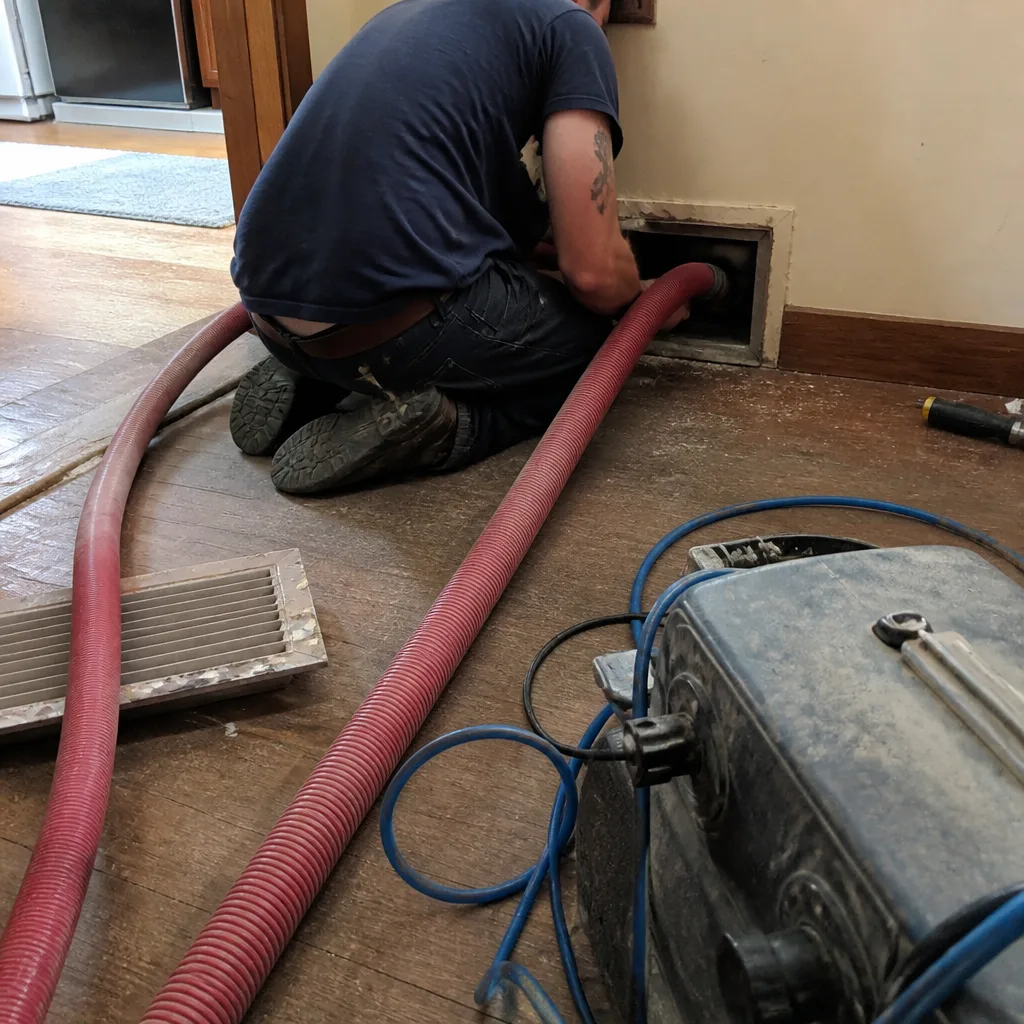 Before
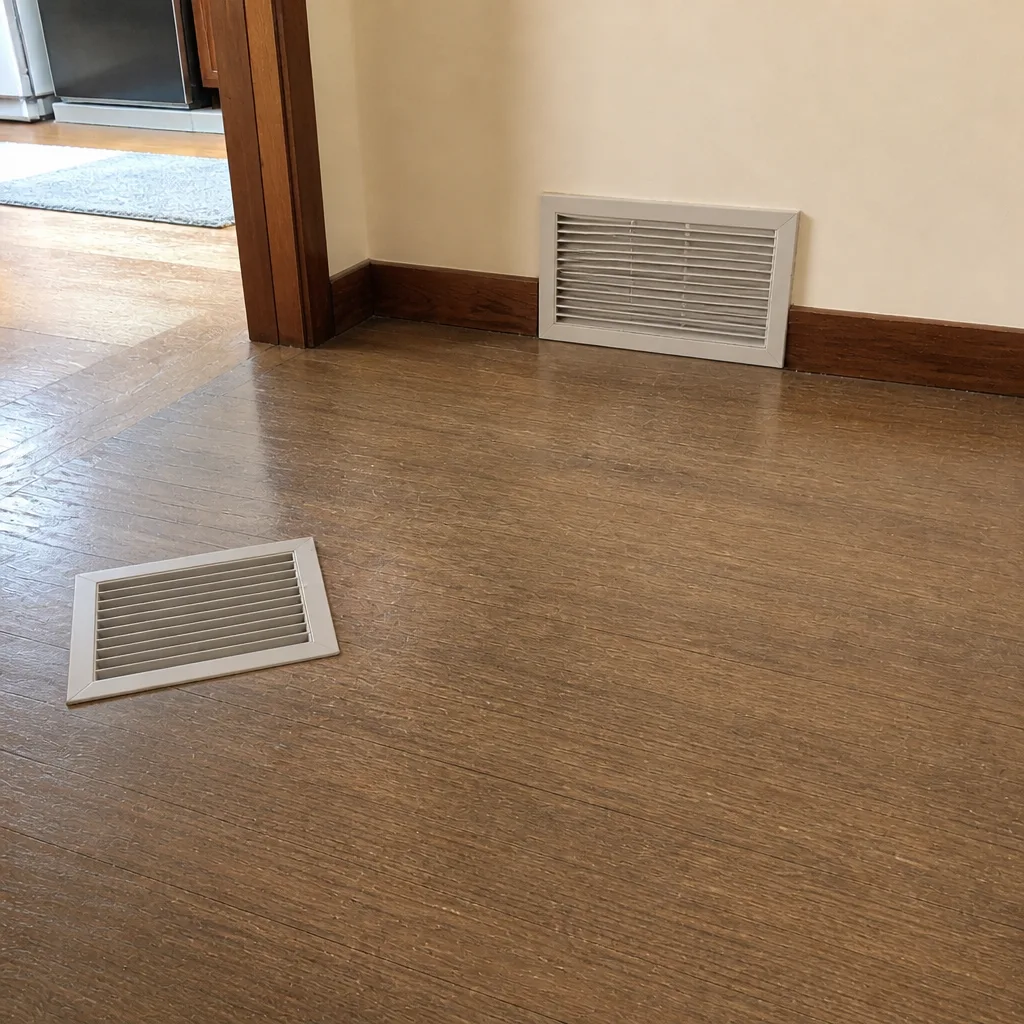 After
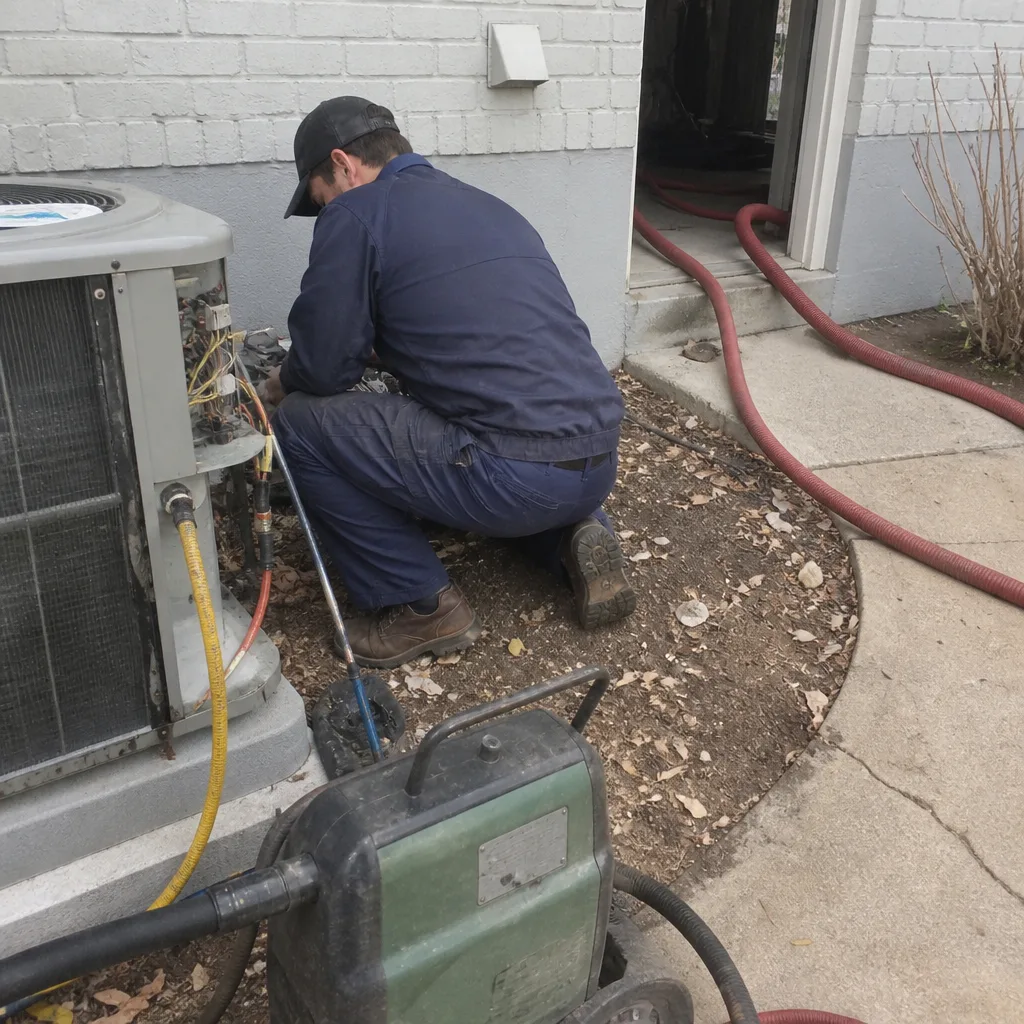 Before
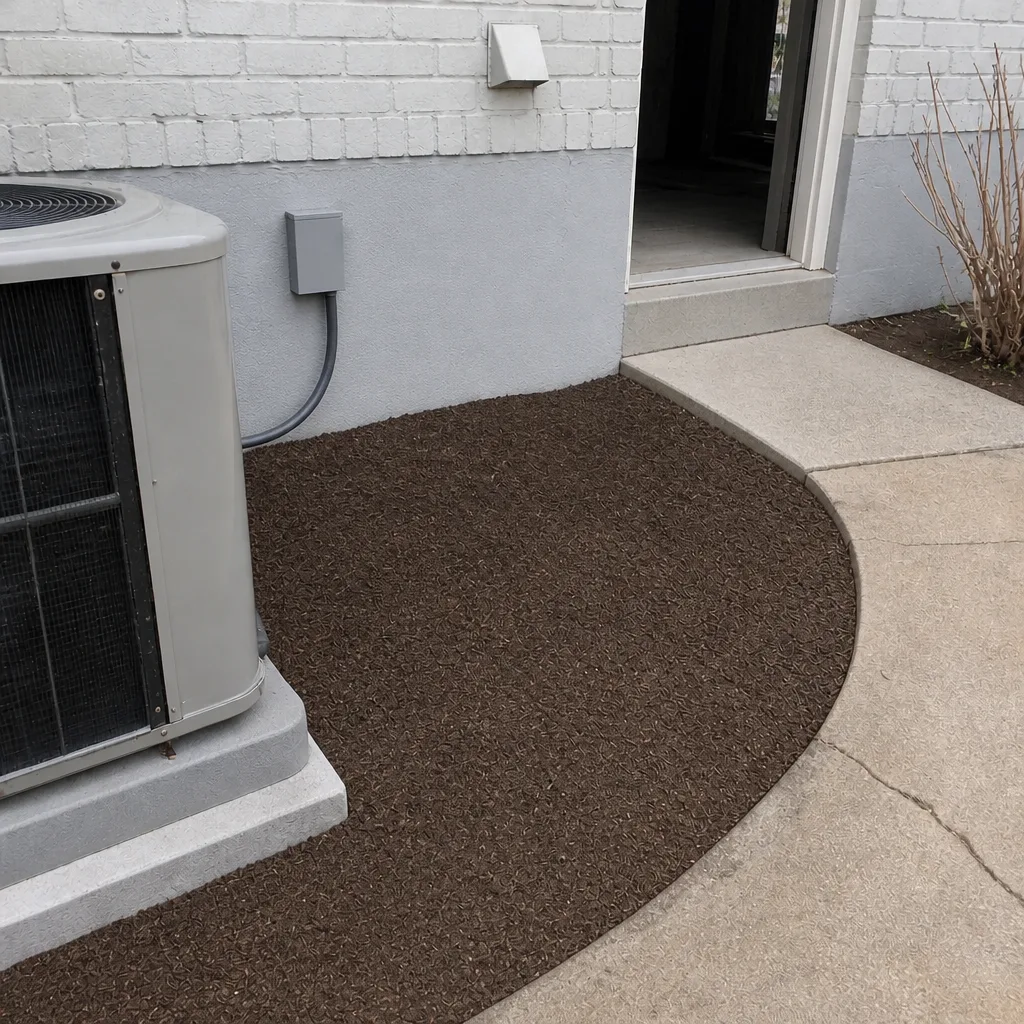 After
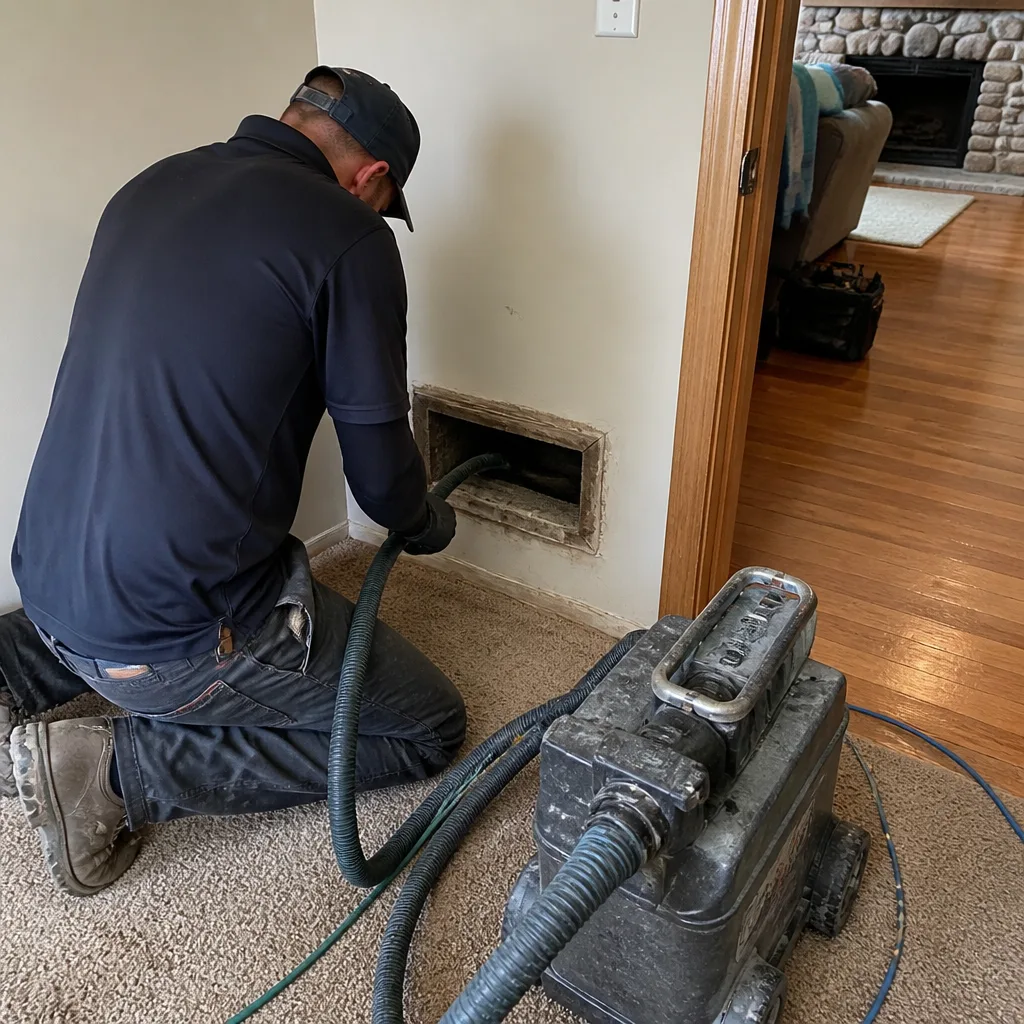 Before
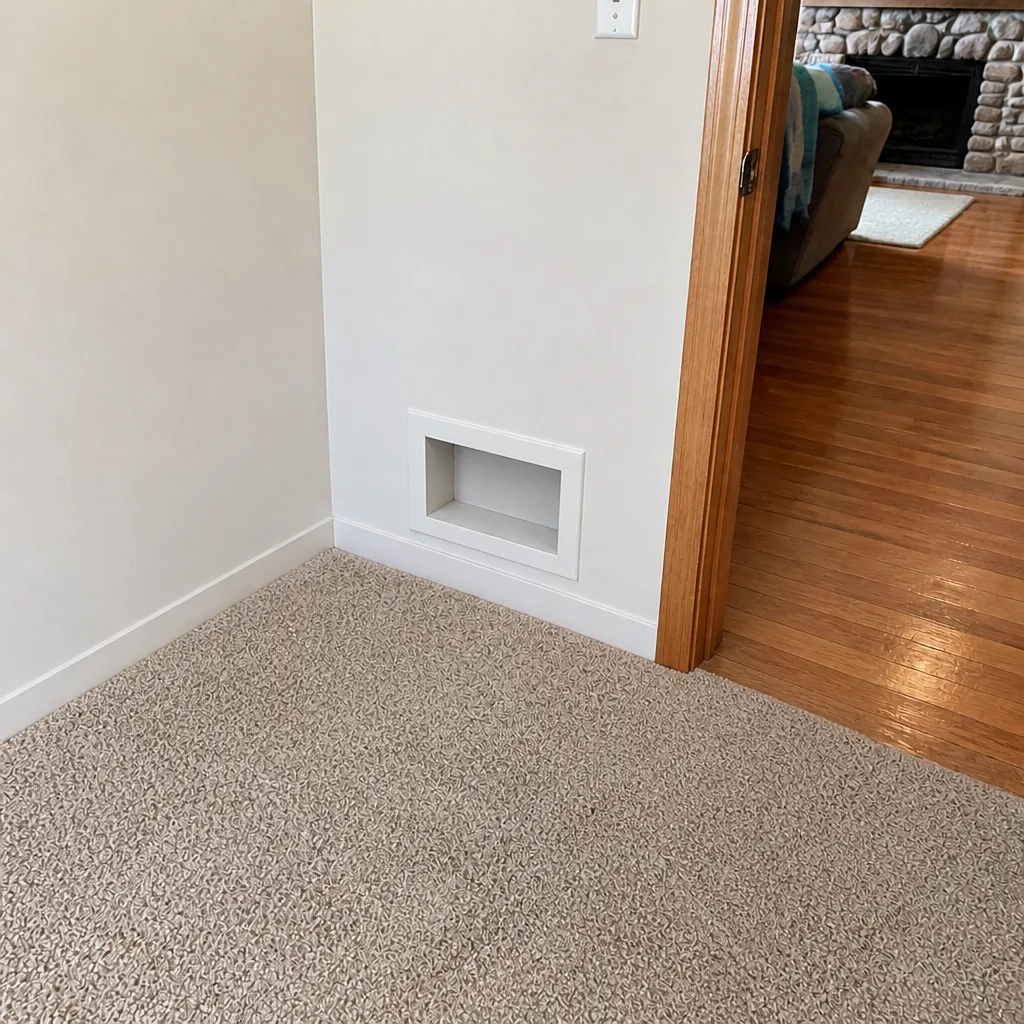 After
When to Call a Professional
Call a professional when the question isn’t “is there dust?” but “where is the dust going?” Specific situations where DIY is the wrong tool: any musty or moldy odor from the system, visible dark spotting inside ducts, damaged or shedding internal insulation, recent water damage near duct runs, a dryer that takes longer than it used to, or a home where allergy symptoms get worse when the system runs. The same goes for post-renovation debris, pet dander concerns, or any system you’ve never had cleaned. Air Duct Cleaning Cherry Creek offers free estimates in Cherry Creek – call (844) 443-3752. We answer 24/7, with fast dispatch from 7am to 7pm, Sunday through Friday. Our technicians have up to 9 years of experience, and every job is quoted per system in writing before work starts.
Frequently Asked Questions
You can clean the register grilles, the accessible plenum surfaces, and the boots where ducts meet the floor, but you cannot clean the duct system itself. A shop vac can’t seal against the main trunk and maintain negative pressure while you agitate the duct walls, so loosened dust travels to the air handler and gets distributed through the house. Surface cleaning is worthwhile; duct interior cleaning with a shop vac is not. Call (844) 443-3752 for a free estimate if you want the ducts themselves cleaned.
There’s no honest single number, because the price depends on system size, register count, accessibility, and whether sealing or sanitizing is included in the scope. We quote a flat price per system after looking at the setup, agreed before work starts, with no per-vent pricing. Beware any quote pitched as a low coupon price; that’s the industry pattern where the final invoice looks nothing like the ad. Call (844) 443-3752 for a free estimate. The written estimate sets the final price.
Cheap quotes usually leave out the parts that make duct cleaning real: negative-pressure extraction with commercial equipment, on-site filtration during cleaning, and a scope that covers the full system rather than the visible grilles. A vacuum-and-go visit costs less because it does less. The cost of that shortcut is redistributed dust and no documentation. Ask what equipment the company uses and whether you’ll get before-and-after photos of your own ducts. Call (844) 443-3752 if you’d like an honest scope.
Ask for before-and-after photos of your own ductwork, taken during the job, and ask for a written scope of what was cleaned. A technician who can’t document the work is telling you something. We photograph the ducts before and after, and the scope is in the written estimate before anything starts. Call (844) 443-3752 to schedule an estimate.
Most homes do well on a four-to-six-year interval, sooner if there’s a renovation, a pet in the household, water damage, or allergy concerns. High-particulate seasons and heavy system runtime can shorten that. If you’ve never had the system cleaned and the house is more than a few years old, it’s worth a look. Call (844) 443-3752 for a free estimate and we’ll tell you what the system actually needs.
Before, and only the accessible surfaces. Pull and wash the grilles, wipe the plenum and boots, vacuum the immediate area, and switch the system off while you work. Then leave the grilles off and let the professional handle the duct interiors with negative-pressure extraction. Reinstall the grilles afterward. Doing the surface work first means the technician’s time goes to the ducts. Call (844) 443-3752 if you want to schedule the professional portion.
The Bottom Line
The DIY-vs-professional question has a clean answer once you frame it around containment. Surface work at the grilles and plenum is yours: it’s safe, it’s useful, and it makes a professional cleaning more effective. Duct interiors are not yours, because consumer equipment can’t pull negative pressure on a sealed system, and loosened dust without extraction makes indoor air worse. For most fully ducted Cherry Creek homes, the split is grilles at home and the system to a specialist. We handle the full scope: duct cleaning, dryer vent cleaning, HVAC cleaning, duct repair and sealing, and air sanitizing. Purpose-built equipment, before-and-after photos, one flat price per system agreed up front. Call (844) 443-3752. We answer 24/7. Fast dispatch from 7am to 7pm, Sunday through Friday.
Written by the team at Air Duct Cleaning Cherry Creek.